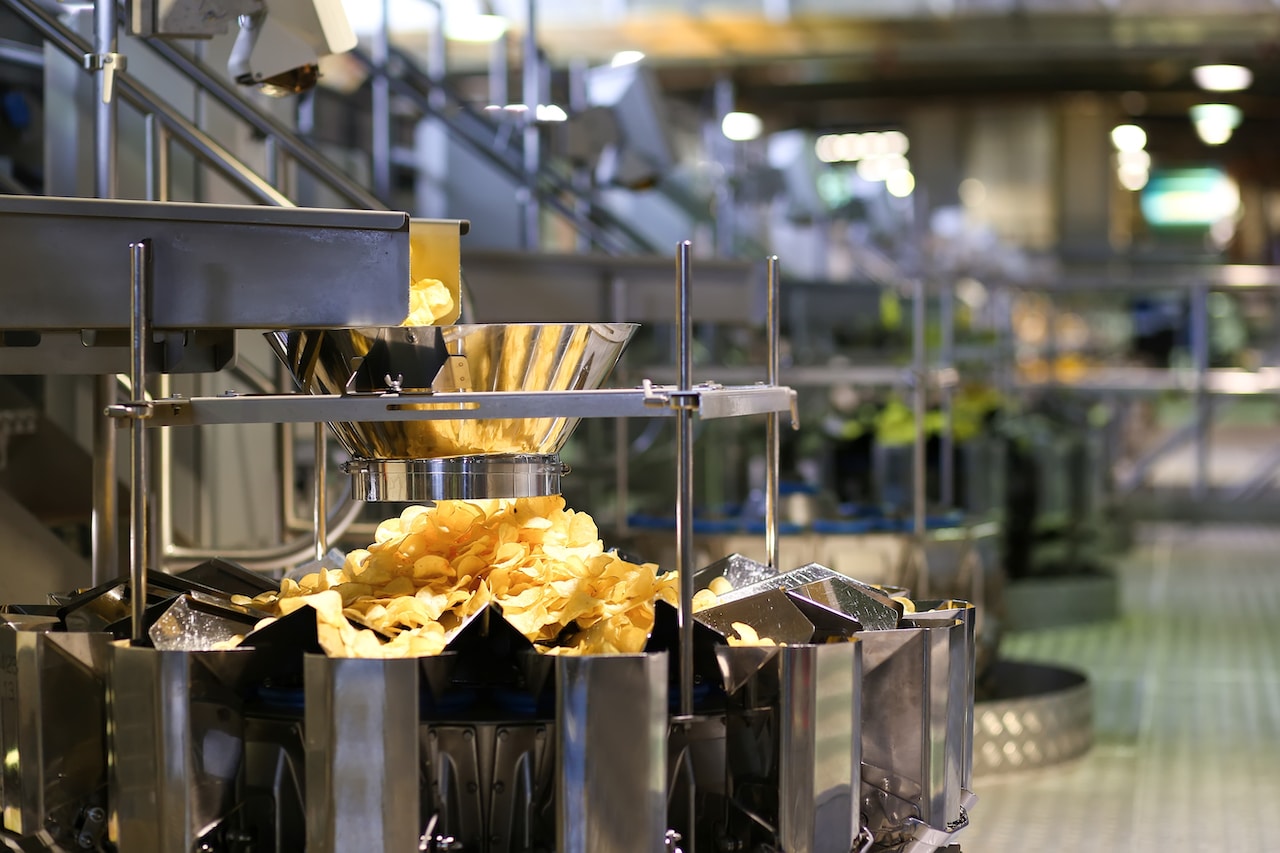
Electropolishing is an electrochemical process that removes a thin, controlled layer of metal from a stainless steel surface. Rather than grinding or buffing, the process selectively dissolves high points and irregularities, leaving behind a smoother and more uniform finish. The result is a bright, clean surface that is easier to sanitize and more resistant to corrosion and buildup.
Why Surface Finish Matters in Food Production
Improved Cleanability
Food processing environments require constant washdowns and strict sanitation protocols. Microscopic grooves or burrs left behind from machining can trap food particles, oils, or cleaning chemicals. Electropolished surfaces reduce these imperfections, allowing equipment to rinse more thoroughly and minimizing the risk of cross-contamination.
Enhanced Corrosion Resistance
Exposure to acidic foods, sugars, salts, and frequent cleaning agents can gradually degrade untreated stainless steel. Electropolishing strengthens the natural passive layer on the metal surface, improving resistance to pitting and chemical corrosion while extending the usable life of equipment.
Bacterial and Biofilm Reduction
Smoother stainless steel surfaces make it more difficult for bacteria to adhere and form biofilms. This is especially important in dairy, brewing, beverage bottling, and prepared food manufacturing where hygiene standards are critical.
Regulatory and Compliance Benefits
Organizations such as the FDA, USDA, and various international food safety bodies emphasize hygienic design and cleanable surfaces. Electropolishing helps manufacturers meet these expectations by producing consistent, repeatable finishes that support sanitary operations and inspection readiness.
Common Food & Beverage Components That Benefit
Electropolishing is widely used on both small precision parts and large production equipment, including:
-
Mixing and storage tanks
-
Stainless steel piping and tubing
-
Valves, fittings, and manifolds
-
Conveyors and chutes
-
Heat exchangers
-
Pumps and filtration systems
-
Filling and bottling equipment
Performance and Longevity
Beyond sanitation, electropolishing also improves overall equipment performance. Reduced surface friction can enhance fluid flow and reduce product hang-up in piping systems. At the same time, corrosion-resistant finishes help minimize maintenance costs, reduce downtime, and extend the service life of high-value assets.
The Bottom Line
For food and beverage manufacturers, electropolishing is more than a cosmetic enhancement — it is a functional upgrade that supports cleanliness, compliance, and operational efficiency. By creating ultra-smooth, corrosion-resistant stainless steel surfaces, electropolishing helps production facilities maintain higher hygiene standards, protect product integrity, and keep critical equipment running reliably in demanding processing environments.