Can You Electropolish Welds? What Happens to Heat Tint and Weld Scale?
If you fabricate or finish stainless steel components, you’ve almost certainly run into it: that rainbow-colored discoloration around a weld bead, or the dark, crusty scale that forms on stainless after welding or heat exposure. It’s one of the most common finishing questions we hear at New England Electropolishing — and the answer is more nuanced than a simple yes or no.
What Actually Happens to Stainless Steel When It’s Welded?
Stainless steel owes its corrosion resistance to a thin, invisible chromium oxide layer on its surface. When you weld stainless steel, the intense, localized heat disrupts that layer in several ways — some visible, some not.
Heat Tint is the iridescent, rainbow-colored discoloration that appears in the heat-affected zone (HAZ) around a weld. It forms when chromium at the surface oxidizes at elevated temperatures, creating a thin oxide film that reflects light at different wavelengths depending on its thickness. The colors — straw yellow, gold, brown, purple, blue — aren’t just cosmetic. Each color corresponds to a progressively thicker oxide layer and a progressively more depleted chromium zone beneath it. Blue and black coloration indicates severe oxidation and the most significant loss of corrosion resistance.
Weld Scale (also called weld spatter or heavy oxide scale) is the darker, thicker, and more tenacious oxide crust that forms directly on or near the weld bead itself, particularly on the root side of the weld or when shielding gas coverage is inadequate. Unlike heat tint, weld scale is not just a surface film — it’s a dense, tightly adhered oxide layer that can be difficult to remove without more aggressive treatment.
Sensitization is the deeper, metallurgical problem that occurs when the steel is held at temperatures between approximately 800°F and 1500°F long enough for chromium carbides to precipitate at grain boundaries. This depletes the surrounding metal of the chromium it needs to maintain its passive layer — a condition that makes the steel highly susceptible to intergranular corrosion, even if the surface looks fine after cleaning.
Understanding which of these conditions you’re dealing with is the first step in choosing the right finishing approach.
Can Electropolishing Remove Heat Tint?
Yes — with an important qualifier. Electropolishing can effectively remove light to moderate heat tint from stainless steel welds. Because the process removes a controlled, uniform layer of metal from the entire surface — typically 0.0002″ to 0.0003″ per surface — it dissolves the oxidized material along with the depleted layer beneath it, restoring a chromium-rich, passive surface.
For light heat tint (straw to gold coloration), electropolishing alone is often sufficient. The process removes the discolored layer, eliminates the underlying chromium-depleted zone, and leaves behind a bright, smooth, corrosion-resistant finish. This is one of the reasons electropolishing is so widely used as a post-weld finishing step in medical device manufacturing, pharmaceutical processing equipment, and food-grade fabrications.
For moderate heat tint (brown to purple coloration), electropolishing can still be effective, but the result depends on the severity of the oxidation, the stainless steel alloy, and the geometry of the part. NEE evaluates incoming parts carefully and will advise customers when the discoloration is too severe for electropolishing alone to fully resolve.
For heavy heat tint or true weld scale (dark blue, black, or heavy oxide crust), electropolishing alone is typically not the right first step. Still wondering what is electropolishing?
When Is Pickling Needed Before Electropolishing?
Heavy weld scale and severe heat tint present two problems for electropolishing. First, the scale itself is dense and resistant to the electropolishing chemistry — the process may not penetrate it uniformly, leaving patchy, inconsistent results. Second, and more importantly, scale and heavy oxide contamination can interfere with the electrical current distribution during electropolishing, which is what drives the process. Uneven current distribution means uneven material removal — and an uneven, unreliable finish.
Acid pickling — typically using a nitric-hydrofluoric acid blend or a dedicated pickling paste — is the recommended pre-treatment for heavily scaled or severely heat-tinted weld areas. Pickling aggressively dissolves the oxide scale and heat tint, bringing the surface back to a clean, if matte, stainless steel condition. Once the scale is removed and the surface is clean, electropolishing or passivation can be applied to restore and enhance the passive layer.
The typical sequence for heavily welded or heat-affected parts is:
Fabrication → Pickling (to remove scale and heavy heat tint) → Electropolishing or Passivation (to restore and enhance corrosion resistance)
For parts with only light heat tint and no significant scale:
Fabrication → Electropolishing (removes light tint and enhances corrosion resistance in one step)
What About the Weld Bead Itself?
This is where geometry and current density come into the picture. Electropolishing works by anodic dissolution — metal is removed from the surface by electrical current passing through an electrolyte bath. Current density is highest at peaks, edges, and raised surfaces, which is actually what gives electropolishing its smoothing effect: it preferentially removes material from the high points, leveling the surface at a microscopic scale.
A weld bead is, by definition, a raised, irregular surface. Current will concentrate at the crown and edges of the bead, which means more material is removed there than on the surrounding flat surfaces. The result is that electropolishing will smooth and refine the weld bead profile — but it will not eliminate a significant weld crown or achieve a flush, feathered weld finish. If full weld blending is required, mechanical grinding or blending should be performed before electropolishing. Electropolishing then becomes the ideal final step: it removes the surface contamination and micro-damage introduced by grinding, passivates the surface, and leaves a clean, consistent, corrosion-resistant finish across both the weld and the base metal.
Electropolishing vs. Passivation for Welded Stainless Steel
When it comes to finishing welded stainless steel, both electropolishing and citric acid passivation are commonly specified — but they are not interchangeable for all weld-related conditions. Here’s how they compare directly:
| Condition / Requirement | Electropolishing | Citric Acid Passivation |
|---|---|---|
| Removes light heat tint | ✅ Yes | ⚠️ Partial — may not fully remove |
| Removes heavy heat tint / weld scale | ❌ No — pickling needed first | ❌ No — pickling needed first |
| Removes free iron from HAZ | ✅ Yes | ✅ Yes |
| Smooths weld bead surface | ✅ Yes — electrochemical leveling | ❌ No — surface appearance unchanged |
| Removes micro-burrs and sharp edges | ✅ Yes | ❌ No |
| Restores chromium-rich passive layer | ✅ Yes — very effectively | ✅ Yes |
| Removes material / affects dimensions | ✅ Yes — ~0.0002–0.0003″ per surface | ❌ No measurable removal |
| Improves surface Ra / cleanliness | ✅ Yes — 10–30% Ra improvement | ❌ No change to surface roughness |
| Addresses sensitization at grain boundaries | ⚠️ Surface only — not a metallurgical fix | ⚠️ Surface only — not a metallurgical fix |
| Best for tight-tolerance welded parts | ⚠️ Confirm tolerances allow removal | ✅ Yes — no dimensional change |
| Suitable for large welded vessels | ✅ Yes — NEE processes up to 9’L x 5’W | ✅ Yes |
| Required before coating or plating | ✅ Ideal prep step | ✅ Acceptable prep step |
| Meets ASTM B912 | ✅ Yes | ❌ No — B912 is electropolishing-specific |
| Meets ASTM A967 | ✅ Yes (as a passivation method) | ✅ Yes |
Key takeaway: For welded components where heat tint is present, a smooth surface finish matters, and corrosion resistance is critical, electropolishing is the stronger single-step solution. For welded parts where dimensional tolerances are extremely tight, or where the goal is simply to restore the passive layer after fabrication without any material removal, citric acid passivation is the appropriate choice — provided the weld area has been properly cleaned beforehand.
For the most demanding applications — semiconductor process equipment, pharmaceutical vessels, and implantable medical devices — specifying both electropolishing followed by passivation delivers the highest achievable chromium-to-iron ratio and the most robust corrosion protection.
Practical Guidance: How to Submit Welded Parts for Finishing
If you’re sending welded stainless steel components to NEE for electropolishing or passivation, here’s what to keep in mind:
Tell us about the weld condition. If your parts have visible heat tint or scale, let us know when you request a quote. We’ll evaluate whether pickling is needed as a pre-step and factor that into the process recommendation and lead time.
Specify your alloy. Different stainless grades respond differently to both welding and electropolishing. 304 and 316 behave predictably. Stabilized grades like 321 or 347 have specific sensitivities. Martensitic grades (410, 420) have their own process considerations. The grade matters.
Communicate your dimensional tolerances. If your weld area or base metal has tight tolerances, tell us. We can adjust material removal parameters to stay within specification — but we need to know before we process, not after.
Don’t assume all heat tint is the same. Send a sample if you’re unsure. NEE offers free sample part electropolishing — we’ll process it, return it with a project quote, and you’ll be able to see exactly what the result looks like before committing a production run.
The Bottom Line
Electropolishing is a powerful post-weld finishing tool — but it works best when matched to the right condition. Light heat tint? Electropolishing handles it beautifully in a single step, removing the oxidized layer, restoring the passive surface, and leaving a bright, clean finish. Heavy scale or severe oxidation? Pickle first, then electropolish. Tight tolerances where no material removal is acceptable? Passivation is the right call.
The key is working with an electropolisher who evaluates each job individually rather than applying a one-size-fits-all approach — and who will tell you honestly when a part needs a different process sequence to get the result you actually need.
At New England Electropolishing, that’s exactly how we work. We’ve been finishing welded stainless steel components for customers in medical, pharmaceutical, food processing, semiconductor, and marine industries for over 40 years — and we’re happy to help you figure out the right approach for your parts.
Electropolishing Resources
What is Electropolishing?
Electropolishing is an electrochemical and reverse plating process that removes the outer layer of skin on a metal...
The Electropolishing Process
The electropolishing process is initiated by immersing a metal part into a temperature-controlled bath of electrolyte...
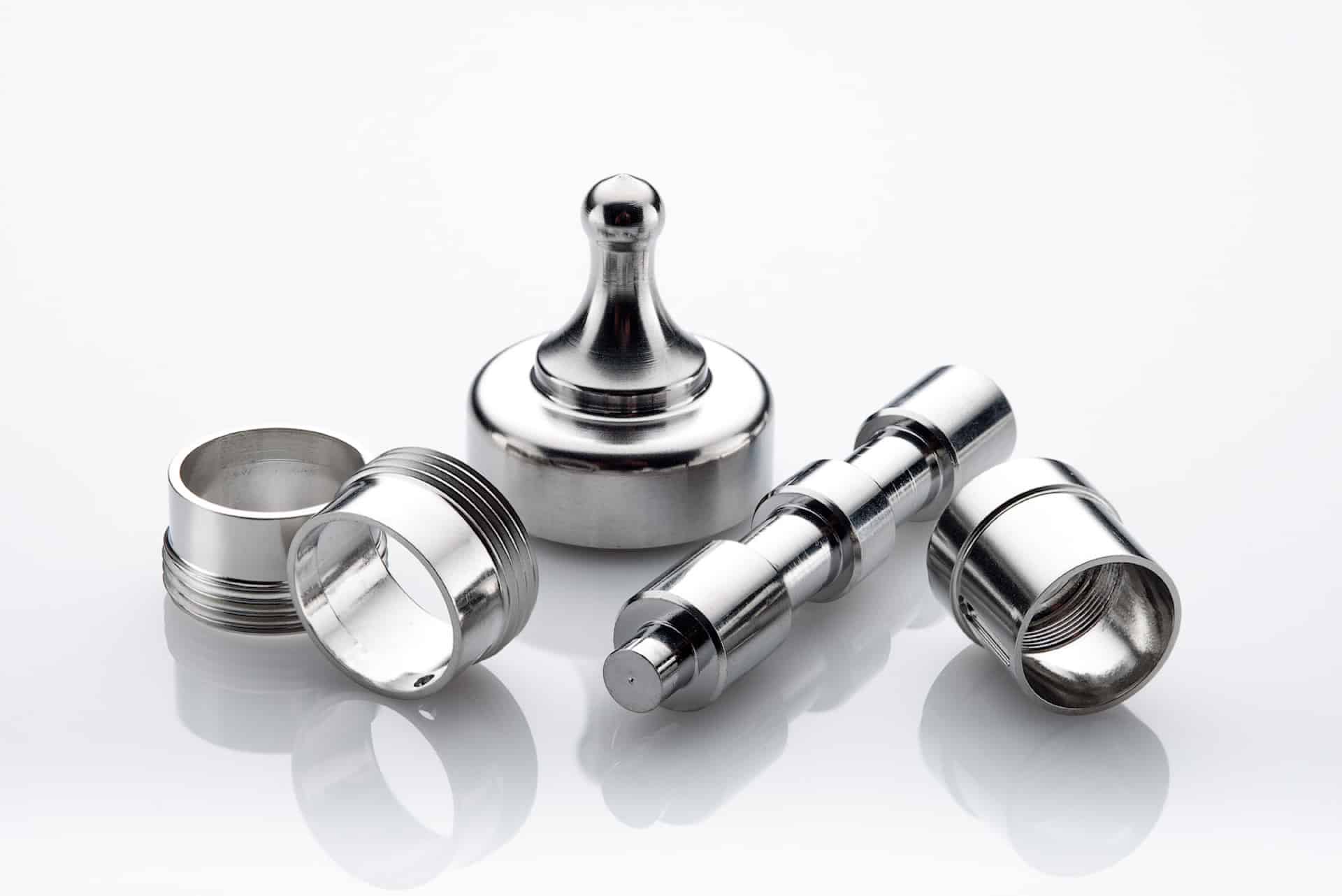
Benefits of Electropolishing
Curious about the benefits of putting your parts through the electropolishing process? Read along below where we...
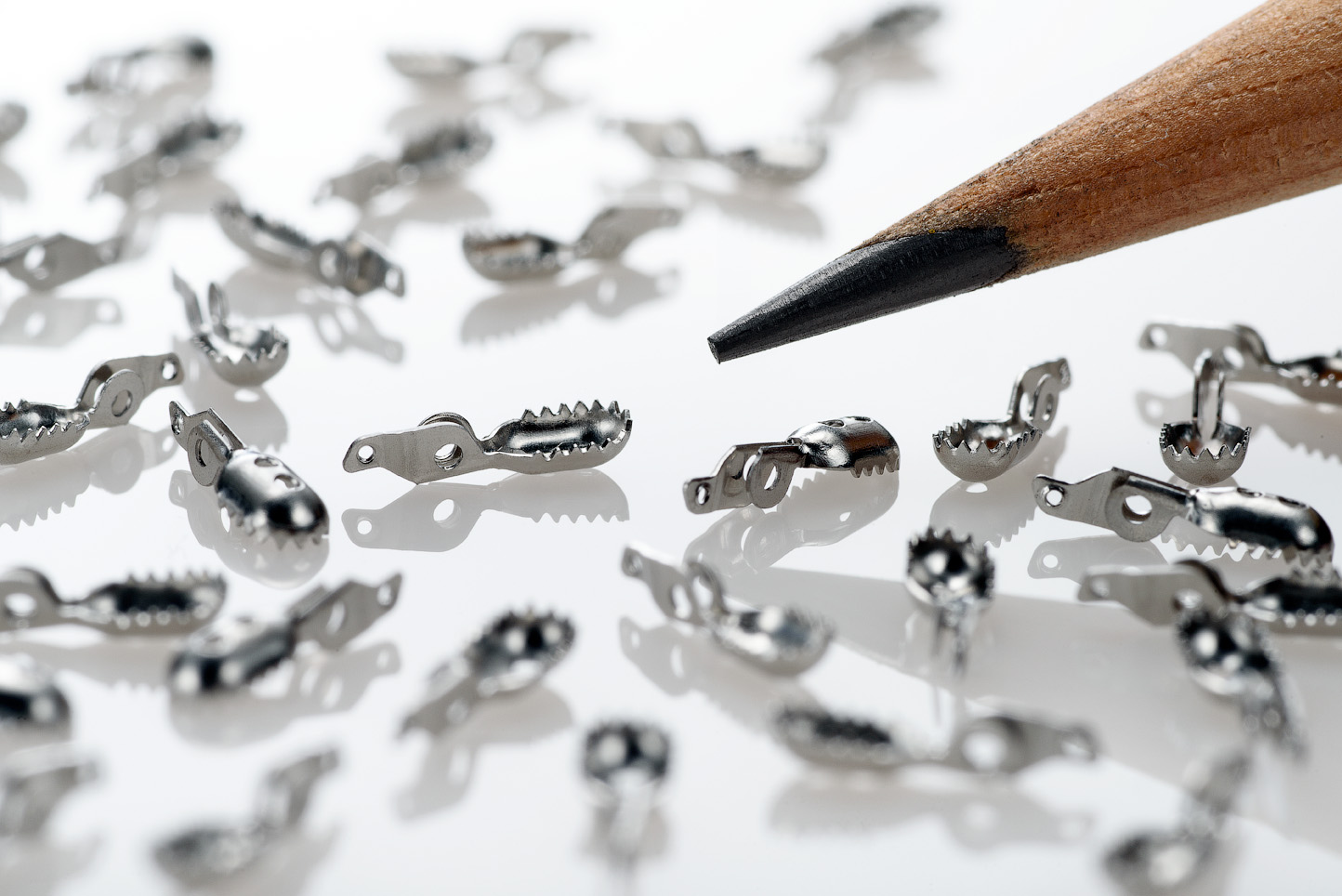
How Much Material Does Electropolishing Remove?
Electropolishing, when done properly is a highly controllable process which removes as little as...
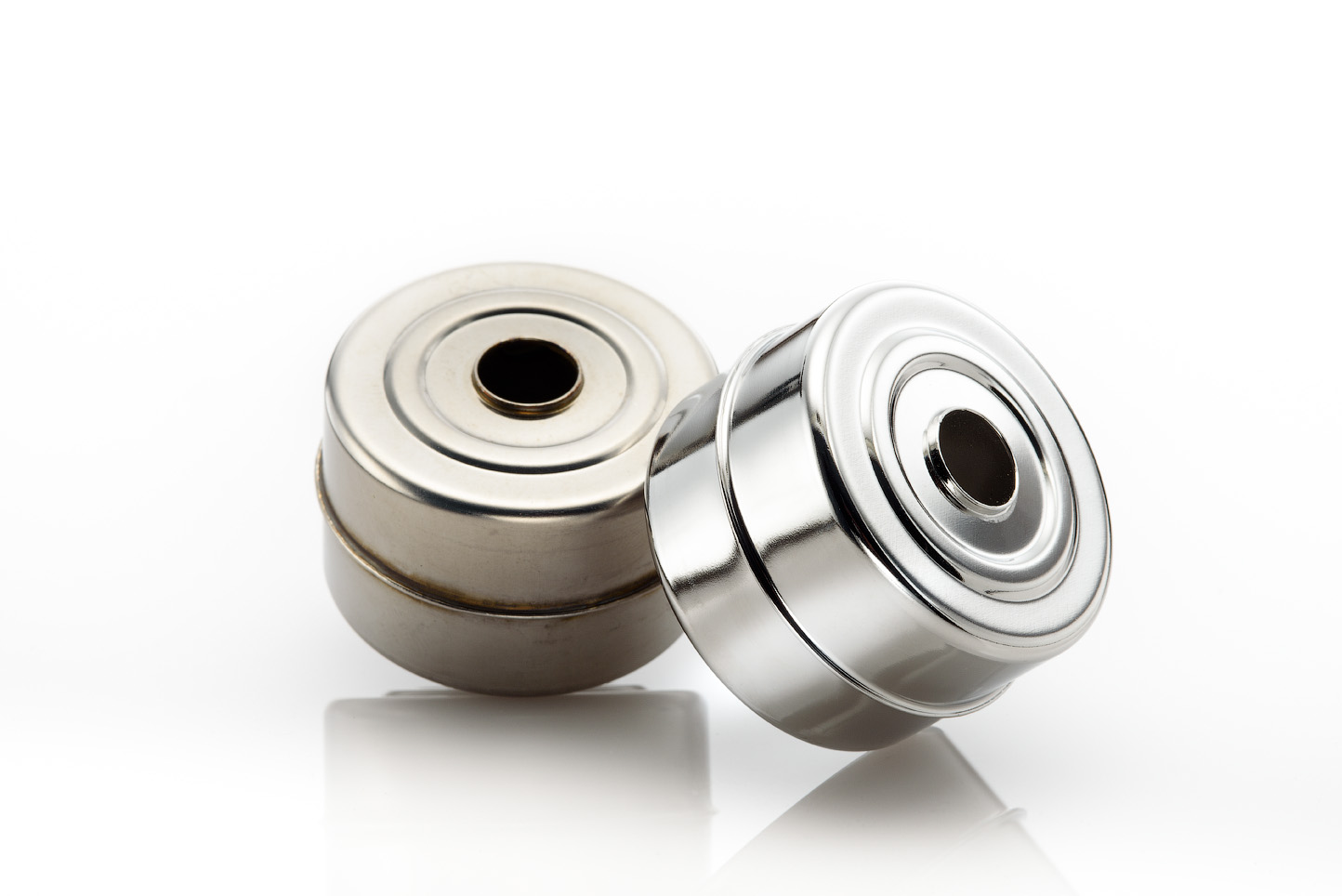
How Much Will Electropolishing Improve the Surface Finish of My Part?
Ra and RMS are both representations of surface roughness. Ra is calculated as the roughness average of a surface’s...
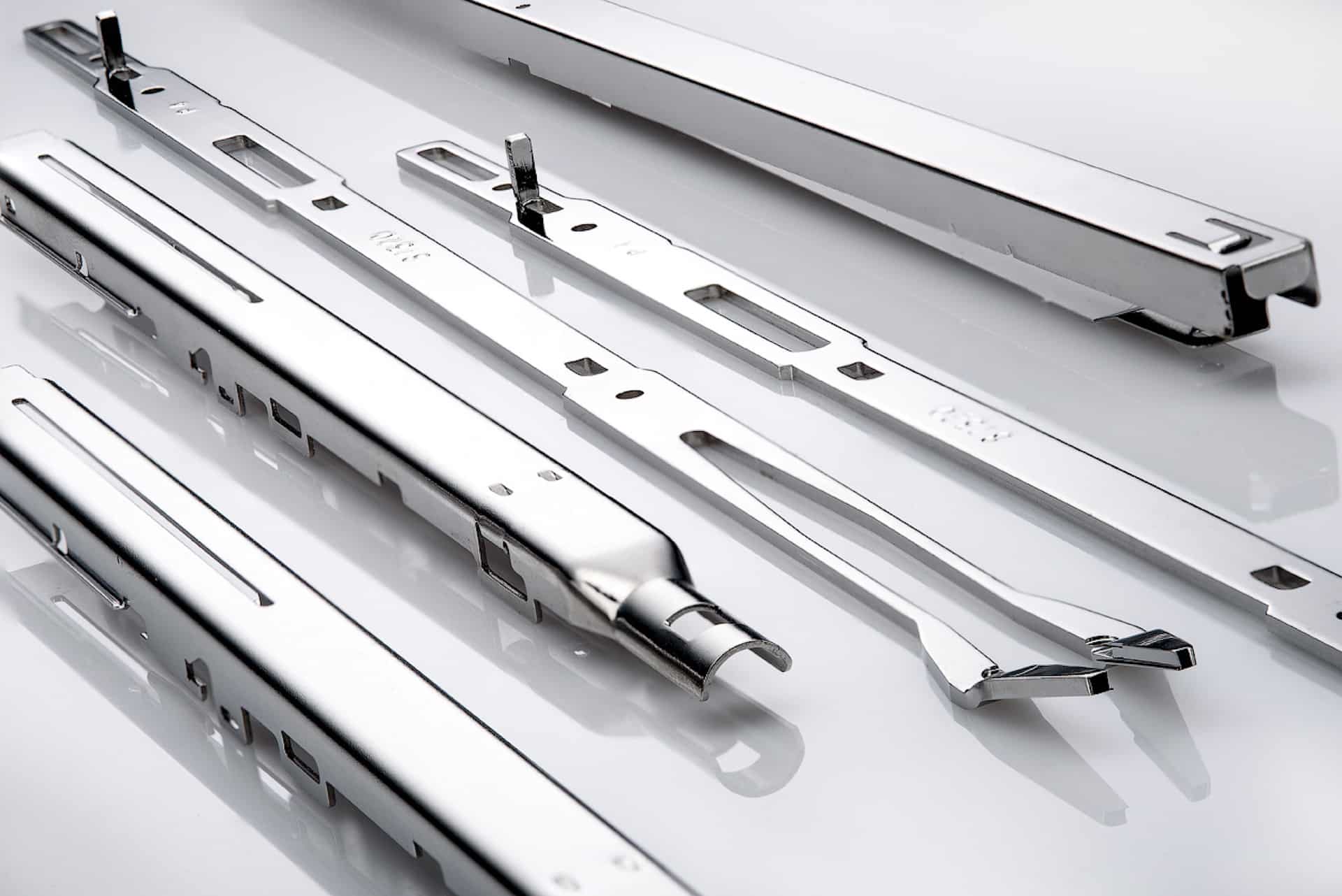
Electropolishing Frequently Asked Questions
Learn the difference between electropolishing and electroplating as well as how the electropolishing process works...
Electropolishing vs. Passivation
What is ASTM B912?
ASTM B912 is an industry standard for the passivation of stainless steel alloys through electropolishing...
What is ASTM A967?
ASTM A967 is an industry standard specification for the chemical passivation treatments for stainless...
What is ISO 13485?
ISO 13485 is a standard that applies specifically to medical devices. ISO 13485 is designed to be...