
Passivation
Passivation is a surface treatment process used to improve the chemical stability and corrosion resistance of metal components. Rather than adding a coating or changing part geometry, passivation works by removing surface contaminants and promoting the formation of a stable, protective surface layer. This process is widely used across industries where durability, cleanliness, and long-term performance are critical.
An Overview of Passivation: Enhancing Corrosion Resistance
Passivation is a chemical treatment that reduces a metal’s tendency to react with its environment. The process removes reactive surface contaminants—such as free iron, machining residues, or embedded particles—and encourages the formation of a thin, protective surface film that resists oxidation and corrosion.
Unlike coatings, paints, or platings, passivation does not create a separate layer on top of the metal. Instead, it improves the metal’s existing surface chemistry, allowing it to naturally resist degradation when exposed to air, moisture, chemicals, or other corrosive conditions. To learn more about the science behind passivation, please visit our post What is passivation?
Why Passivation Is Used
During fabrication, metals are exposed to cutting tools, welding heat, handling, and environmental contaminants. These interactions can leave behind residues or disrupted surface chemistry that increases corrosion risk.
-
Improve corrosion resistance
-
Stabilize surface chemistry
-
Reduce surface reactivity
-
Improve long-term durability
-
Support cleanliness and hygiene requirements
In many applications, passivation is essential for achieving reliable performance over time.
Materials That Can Be Passivated
Passivation is most commonly associated with corrosion-resistant alloys, but it is not limited to a single material type. Depending on chemistry and process control, passivation may be applied to:
-
Other corrosion-resistant metals
Each material requires specific chemistries and process parameters to achieve optimal results.
Common Passivation Methods
Citric Acid Passivation
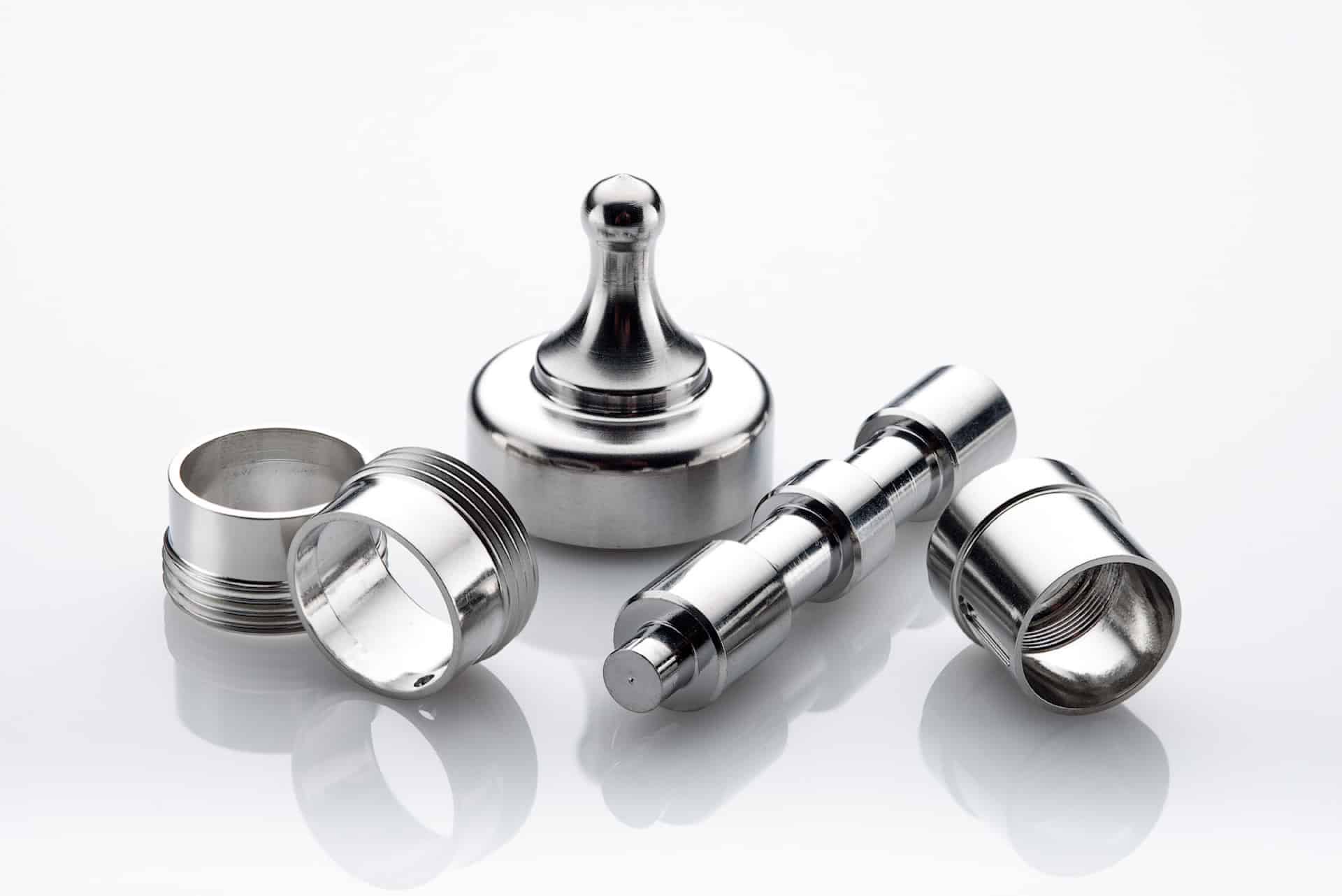
Citric acid passivation is a chemical treatment used to remove free iron and surface contaminants from stainless steel while promoting the formation of a protective chromium oxide layer. Known for being environmentally friendly and safer to handle than traditional nitric acid treatments, citric acid passivation improves corrosion resistance without altering the appearance or dimensions of the part. It is commonly used in medical, food processing, and high-purity applications where cleanliness and performance are critical.
Nitric Acid Passivation
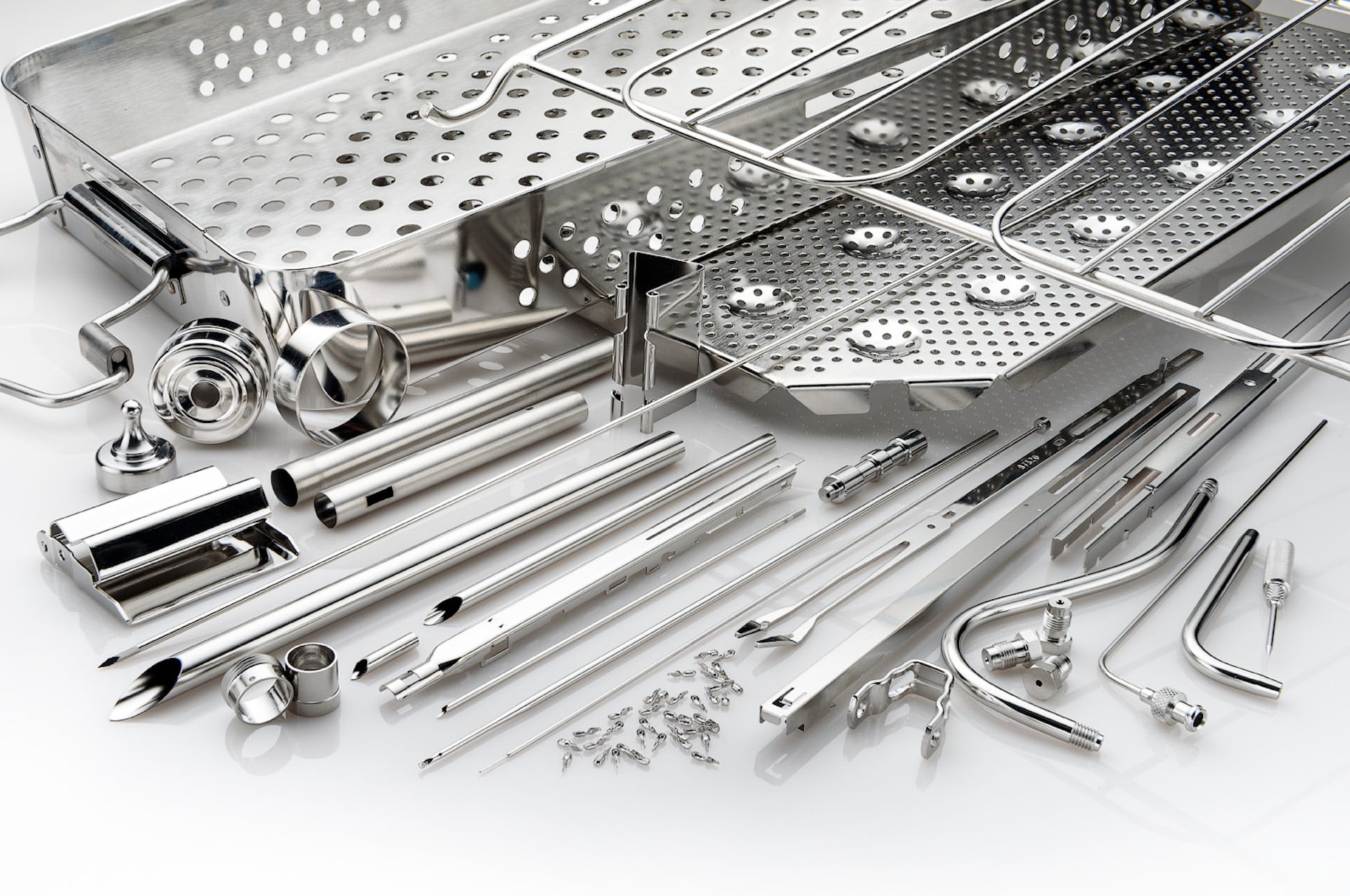
Nitric acid passivation is a traditional stainless steel treatment process that removes surface contamination and enhances corrosion resistance by strengthening the metal’s natural passive layer. Often specified for aerospace, industrial, and military applications, nitric passivation is highly effective for certain alloys and manufacturing standards. The process helps prepare stainless steel components for demanding environments where durability and corrosion protection are essential.
Electropolishing
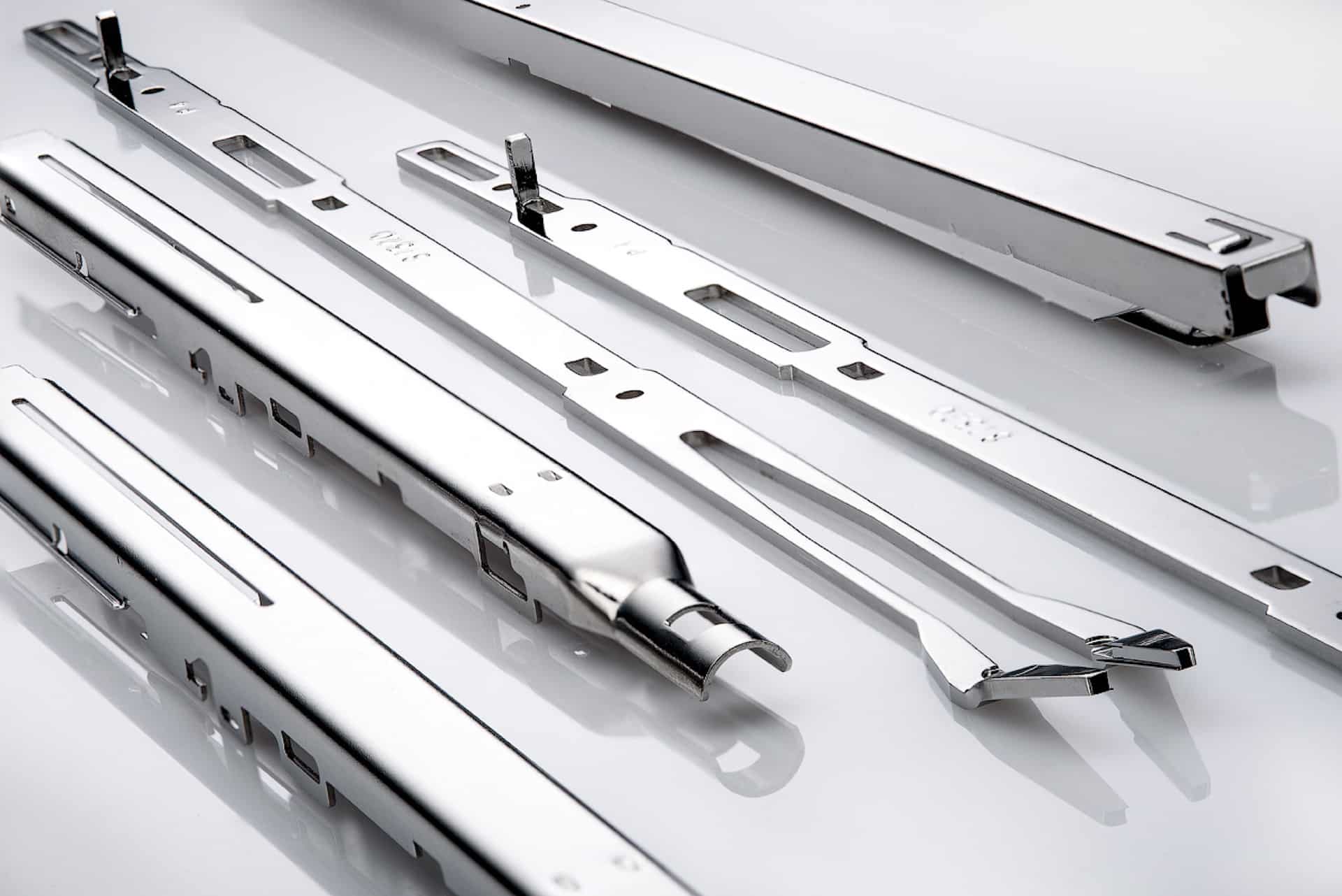
Electropolishing is an electrochemical finishing process that removes a thin layer of material from the surface of stainless steel to create a smoother, cleaner, and more corrosion-resistant finish. By eliminating microscopic imperfections, burrs, and embedded contaminants, electropolishing improves cleanability, enhances appearance, and increases performance in critical applications. It is widely used in industries such as medical manufacturing, food processing, semiconductor, and aerospace where precision surface finishes are required.
Passivation vs. Other Surface Treatments
While there are several methods used to improve the corrosion resistance of stainless steel, not all treatments provide the same level of long-term protection or surface performance. Processes such as coatings, mechanical polishing, painting, and surface blasting may help reduce exposure to contaminants or improve appearance, but they often do not enhance the metal’s natural passive layer the way chemical passivation does. For many critical applications, chemical treatments like passivation and electropolishing remain the most effective solutions for restoring corrosion resistance, removing surface contamination, and improving stainless steel performance. Click the link below to view a more thorough comparison of surface treatments.
Common Industries That Rely on Passivation
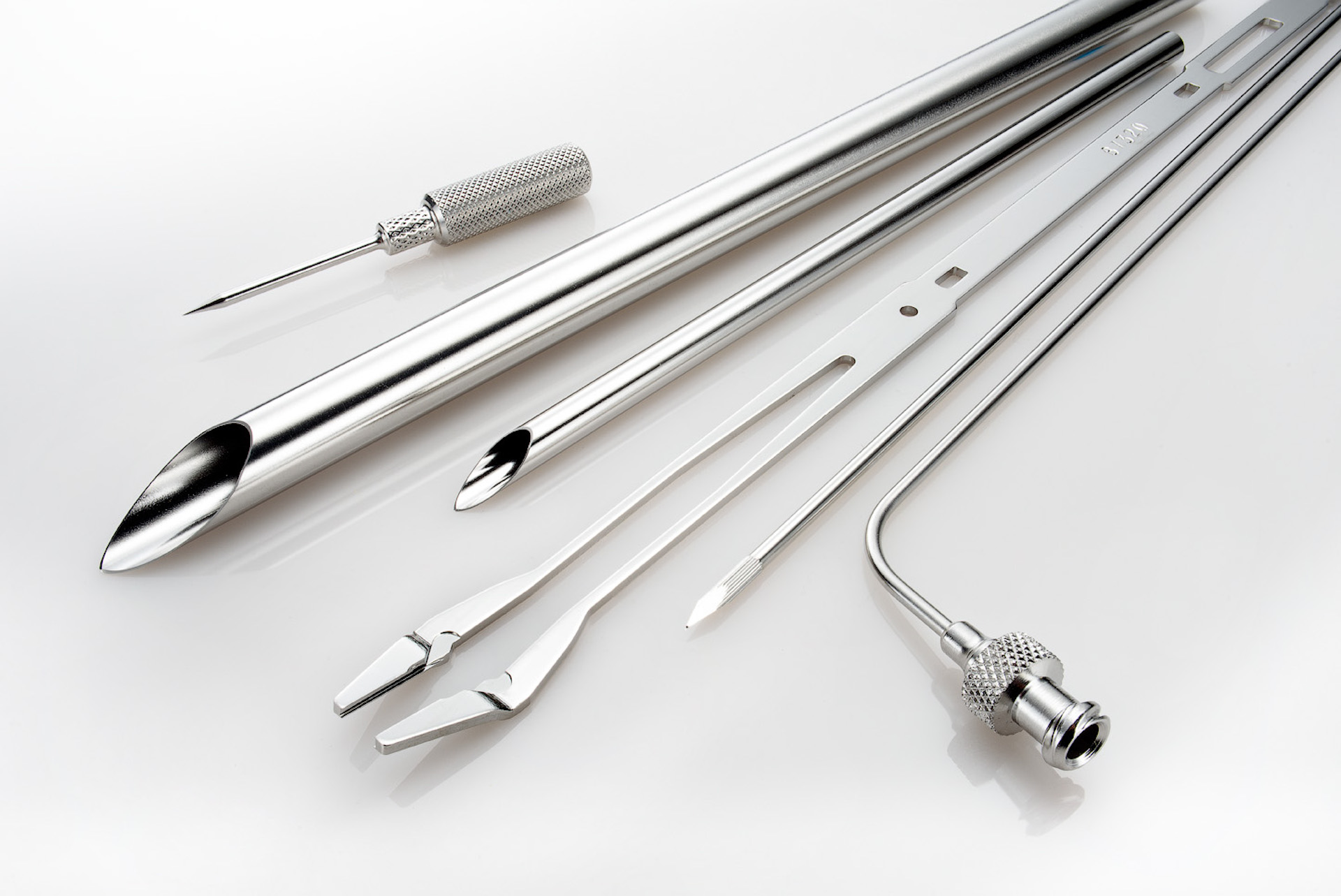
Passivation is widely used in a broad spectrum of industries where corrosion resistance, cleanliness, and reliability are essential. In these environments, surface chemistry can directly affect safety, performance, and compliance. The following are some of the most common industires we serve:
Medical & Life Sciences
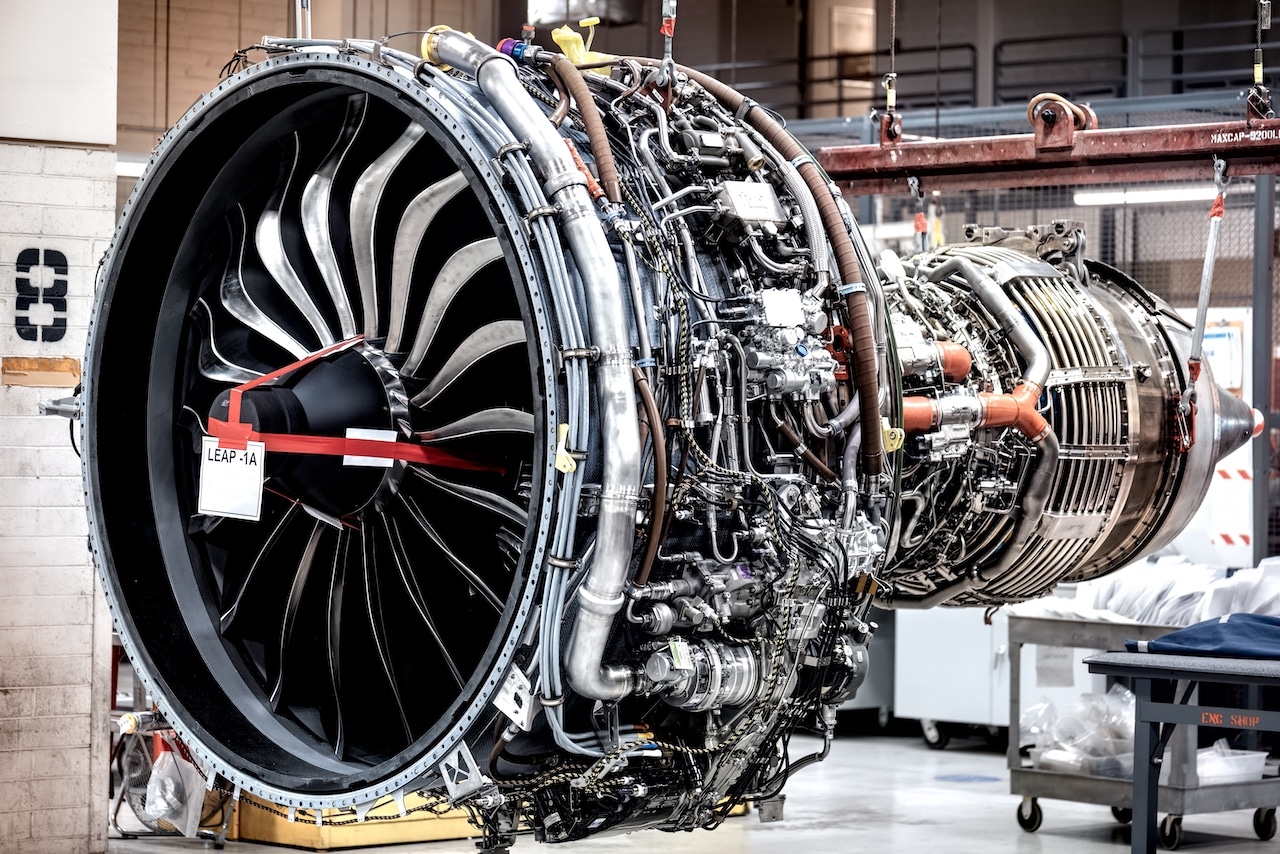
Aerospace & Defense
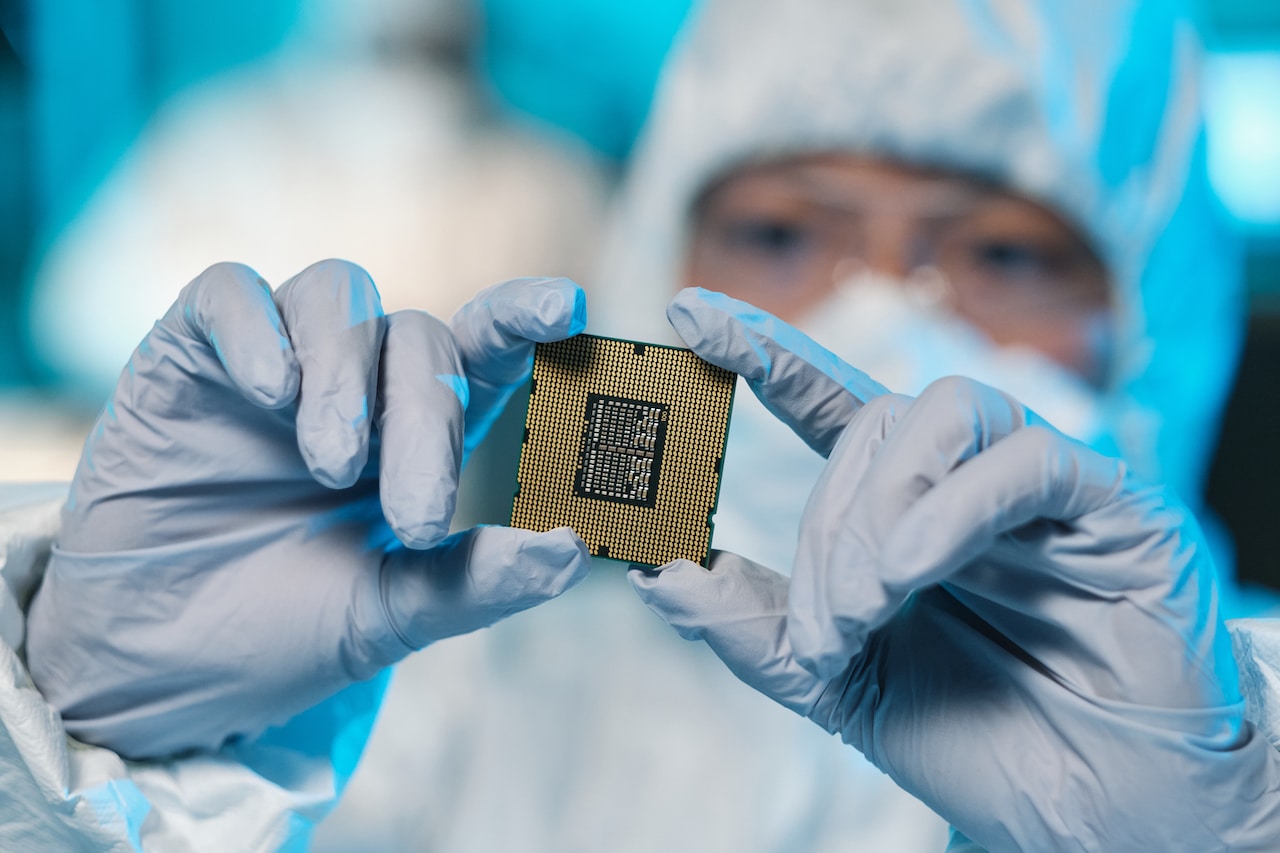
Semiconductor & Electronics
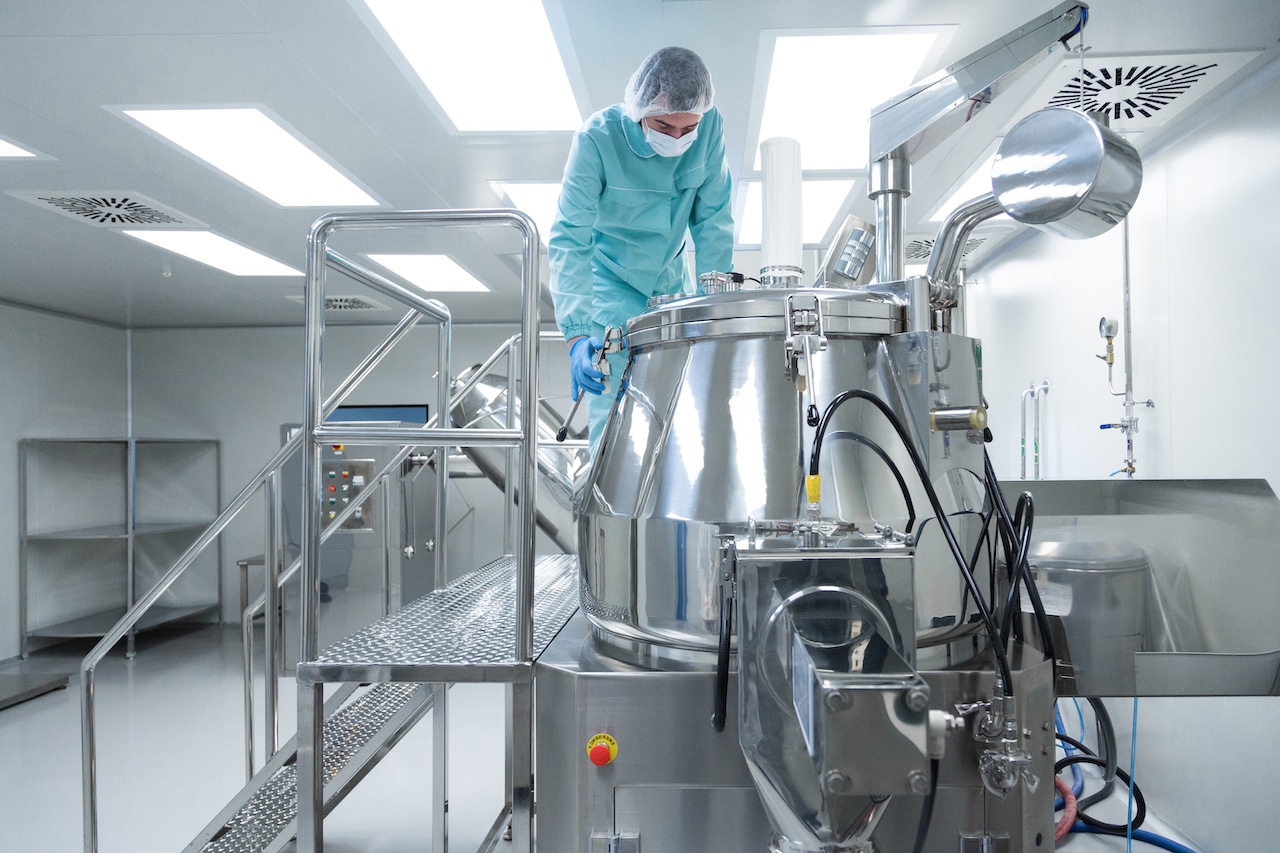
Pharmaceutical & Biotechnology
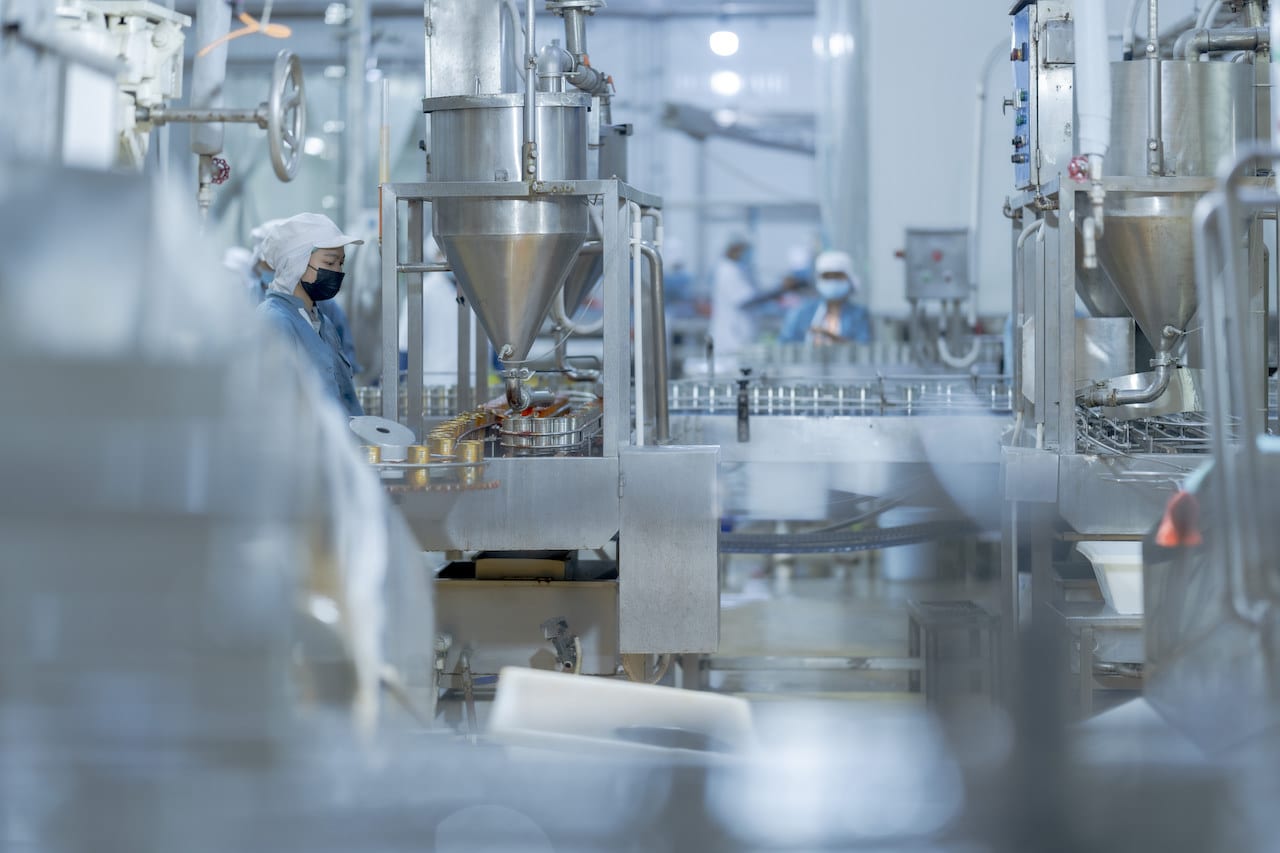
Food & Beverage Processing
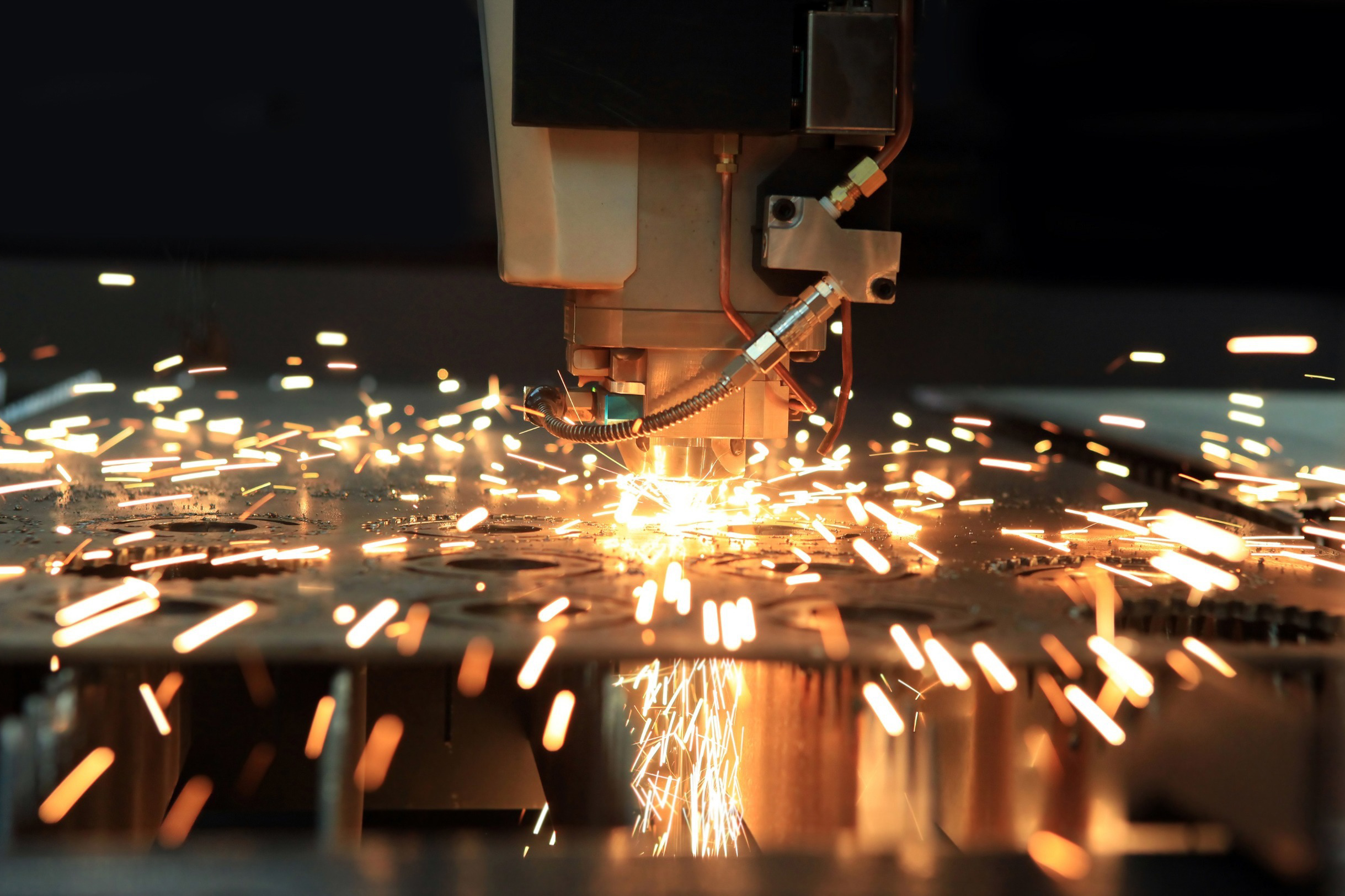
Industrial Manufacturing
The Importance of Proper Process Control
Effective passivation depends on more than just chemistry. Factors such as surface preparation, solution concentration, temperature, time, and rinsing procedures all play a critical role in achieving consistent results.
Improper passivation can leave contaminants behind or create uneven surface conditions, reducing corrosion resistance rather than improving it.
Passivation Services at New England Electropolishing
New England Electropolishing provides controlled stainless steel passivation services as part of a comprehensive approach to metal surface finishing. Our processes are designed to support a wide range of materials, applications, and industry requirements, with a focus on repeatability, cleanliness, and performance.
Whether passivation is required as a standalone service or integrated with electropolishing, our team works closely with customers to ensure each component meets its functional and environmental demands.
Passivation Resources
Passivation is only effective if it achieves its intended purpose—removing free iron contamination and restoring the stainless steel's natural passive layer. But how...
When discussing corrosion resistance in stainless steel, two finishing processes are often mentioned together: pickling and passivation. While both treatments improve...
Laser cutting is one of the most efficient and precise methods for fabricating stainless steel components, but the process can leave behind more than just clean cut...
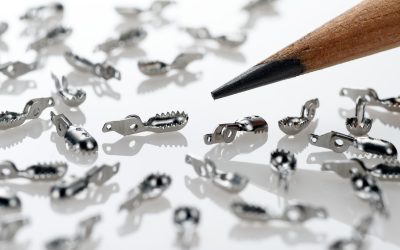
Yes—small precision machined parts can absolutely be passivated, and in many industries, it’s not just possible but essential for performance, reliability, and...

Yes—stainless steel can still rust after passivation, but it’s important to understand what passivation does (and doesn’t do) to know why. Passivation is a chemical...
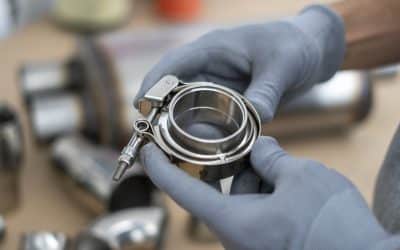
Stainless steel is known for its corrosion resistance, strength, and clean appearance—but manufacturing processes can compromise those benefits. A common question from...
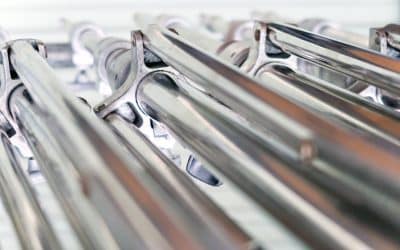
Stainless steel is widely chosen for its strength, durability, and corrosion resistance—but not all stainless steel performs the same in every environment. A common...
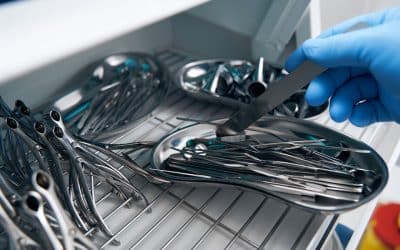
In precision manufacturing, even the smallest surface imperfection can create outsized problems. Burrs—those tiny raised edges or fragments of metal left behind after...
When engineers and manufacturers talk about stainless steel performance, the conversation often centers around alloy selection, mechanical strength, or surface...