
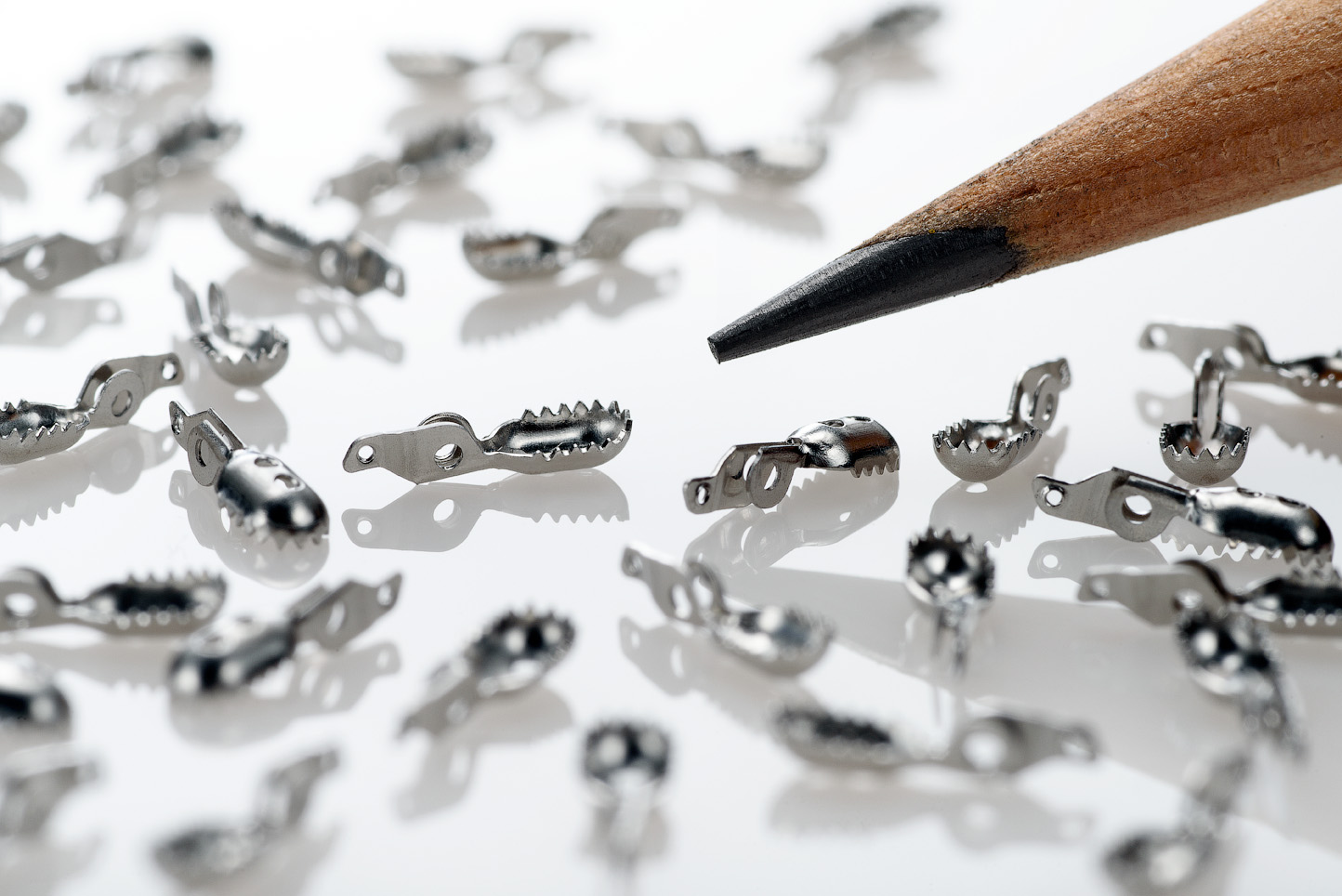
Can You Passivate Small Precision Machined Parts?
Yes—small precision machined parts can absolutely be passivated, and in many industries, it’s not just possible but essential for performance, reliability, and corrosion resistance.
In fact, passivation is often especially important for small, high-precision components because even minor surface contamination can have a disproportionately large impact on performance.
Why Passivation Matters for Precision Parts
Precision machined components are commonly used in industries like:
- Medical devices
- Aerospace systems
- Semiconductor equipment
- Food and pharmaceutical processing
- Instrumentation and sensors
These parts are typically made from stainless steel grades such as 303, 304, 316, or specialized alloys. While stainless steel is naturally corrosion-resistant, machining processes can introduce:
- Free iron contamination from tooling
- Microscopic surface defects
- Embedded particles from cutting or grinding
- Heat tint or oxidation from machining or welding
Passivation helps remove these contaminants and restores the material’s protective chromium oxide layer.
The Challenge with Small Parts
Small or highly intricate machined parts present unique challenges:
1. Tight Tolerances
Precision components often have extremely tight dimensional tolerances. Any post-processing, including cleaning or chemical treatment, must avoid altering critical dimensions.
2. Complex Geometry
Micro-machined parts, internal channels, threads, and blind holes can trap:
- Cutting fluids
- Metal debris
- Residual machining compounds
These are areas where corrosion often begins if not properly treated.
3. Batch Sensitivity
Small parts are often processed in large quantities, meaning consistency across the entire batch is critical. Uneven passivation can lead to inconsistent performance.
How Passivation Is Done on Small Precision Parts
When done correctly, passivation is a controlled chemical process that does not change part geometry. Instead, it selectively removes surface contaminants.
Typical steps include:
1. Thorough Cleaning
Before passivation, parts must be completely free of:
- Oils and lubricants
- Coolants
- Debris from machining
This ensures the acid treatment is effective and uniform.
2. Acid Passivation Bath
Parts are immersed in a nitric or citric acid solution designed to:
- Remove free iron
- Enhance the chromium oxide layer
- Improve corrosion resistance
Modern processes often favor citric acid due to safety and environmental benefits.
3. Rinsing and Neutralization
After treatment, parts are carefully rinsed and neutralized to ensure no residual acids remain.
4. Drying and Inspection
Final drying and inspection ensure:
- No surface staining
- No dimensional impact
- Uniform corrosion resistance across all parts
When Passivation May Not Be Enough
While passivation is highly effective, it is not a cure-all. It may need to be combined with other processes depending on the application:
- Electropolishing for ultra-smooth, cleanroom-grade finishes
- Higher-grade stainless steel selection for harsh environments
- Clean handling protocols for medical or semiconductor use
Industries That Rely on Passivated Precision Parts
Passivated small components are critical in:
- Surgical instruments and implants
- Aerospace fasteners and fuel system parts
- Microfluidic devices
- Semiconductor wafer handling equipment
- Precision valve and sensor assemblies
In these applications, even microscopic corrosion can lead to system failure, contamination, or safety risks.
The Bottom Line
Yes—small precision machined parts are not only compatible with passivation, they often require it.
When properly executed, passivation:
- Preserves tight tolerances
- Removes machining contamination
- Enhances corrosion resistance
- Extends component lifespan
- Improves reliability in critical applications
For manufacturers working with high-precision stainless components, passivation is a key finishing step that ensures parts perform as intended in demanding environments. For more information, visit our page on what is passivation.