
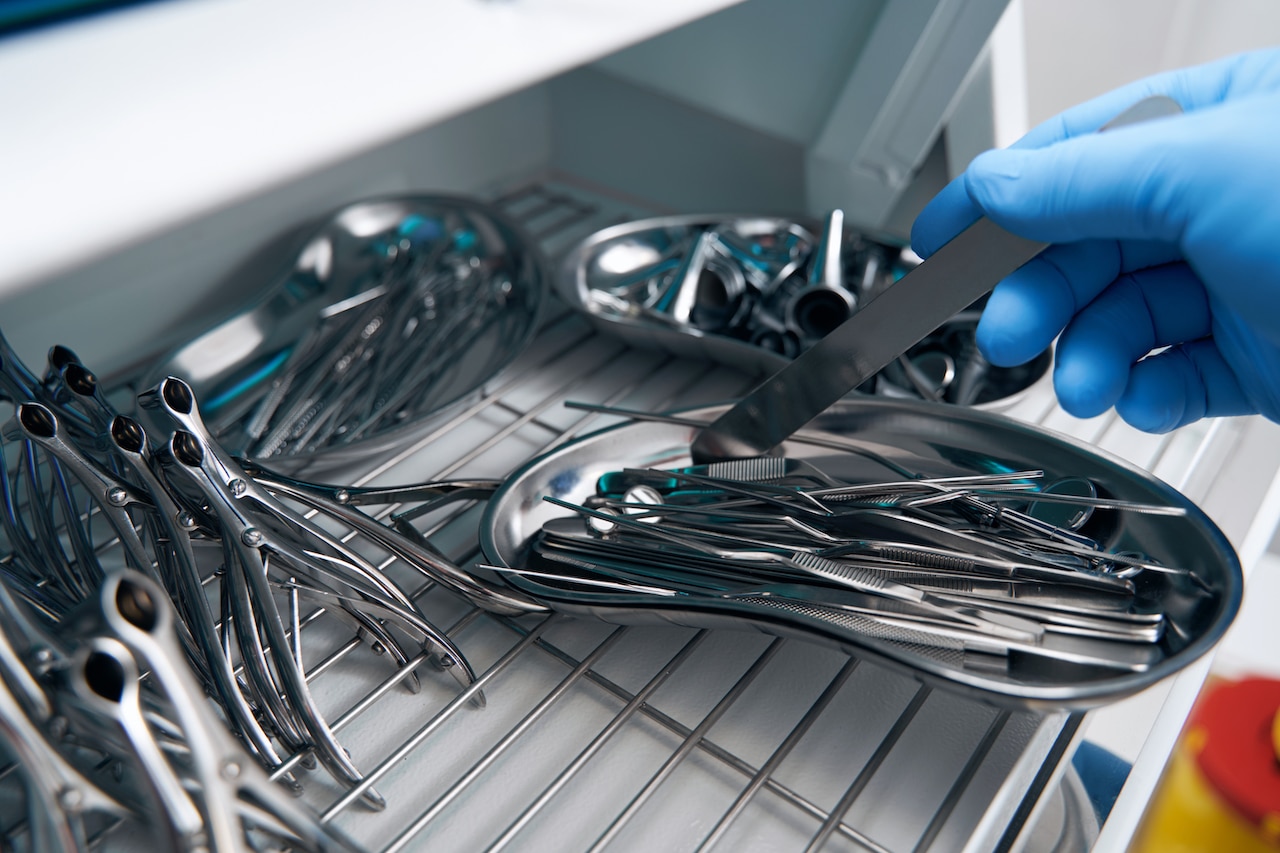
Deburring: Why Removing Micro-Burrs Is Critical to Part Performance
In precision manufacturing, even the smallest surface imperfection can create outsized problems. Burrs—those tiny raised edges or fragments of metal left behind after machining, cutting, stamping, or drilling—may seem insignificant, but they can affect fit, function, safety, and long-term durability. Deburring is the process of removing these unwanted edges to produce a clean, reliable component surface.
For industries where tolerances are tight and performance expectations are high, deburring is not just a finishing step—it’s a quality requirement.
What Are Burrs and How Do They Form?
Burrs are thin ridges or protrusions of material that remain attached to a part after a manufacturing operation. They commonly form during:
-
CNC machining and milling
-
Laser cutting and waterjet cutting
-
Punching and stamping
-
Drilling and tapping
-
Grinding or abrasive finishing
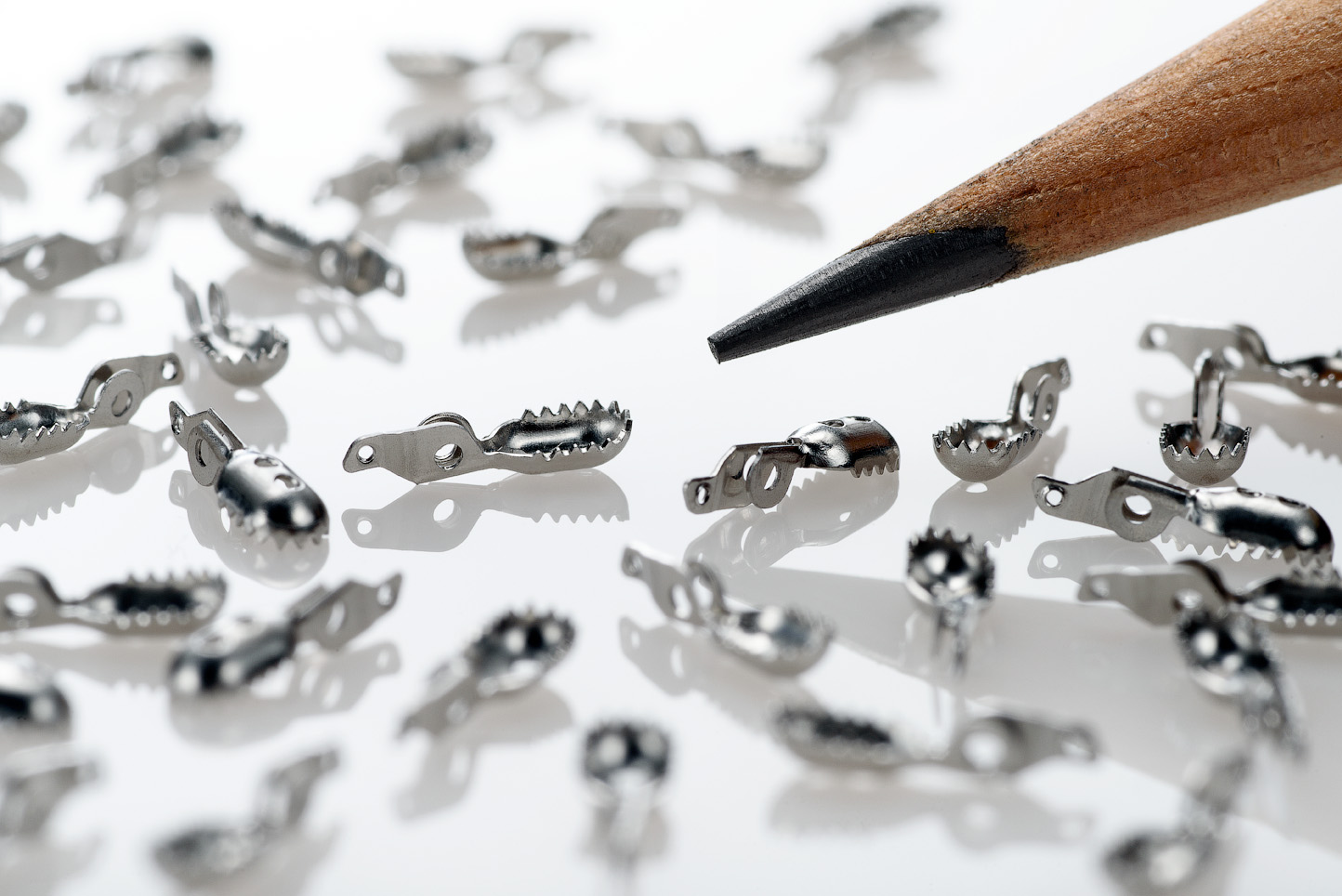
These imperfections can be visible to the naked eye or microscopic in size. Even micro-burrs that are difficult to see can interfere with assembly, create contamination risks, or become initiation points for corrosion and fatigue.
Why Deburring Matters
Removing burrs is about more than aesthetics. Proper deburring contributes directly to part performance and operational reliability.
1. Improved Fit and Assembly
Burrs can prevent parts from seating correctly, interfere with threads, or create unwanted friction between mating surfaces. Clean edges ensure components assemble smoothly and consistently.
2. Enhanced Safety
Sharp edges present handling hazards for technicians and end users. Deburring reduces the risk of cuts, snags, and other injuries during installation or maintenance.
3. Reduced Contamination Risk
Loose burr fragments or metal slivers can detach during operation, contaminating sensitive environments such as medical, pharmaceutical, or semiconductor manufacturing.
4. Better Corrosion Resistance
Burrs often trap moisture or contaminants, creating localized sites for corrosion. Removing them helps create a more uniform, stable surface that resists environmental attack.
5. Increased Component Longevity
Stress concentrations at sharp edges can lead to premature fatigue or cracking. Smooth transitions distribute mechanical stress more evenly and extend service life.
Common Deburring Methods
There is no single universal deburring technique. The right approach depends on part geometry, material, tolerance requirements, and production volume.
Mechanical Deburring
Manual or automated tools such as brushes, abrasive wheels, tumbling media, or vibratory finishing systems physically remove burrs. This method is effective for many general-purpose applications but may struggle with intricate geometries or internal features.
Thermal Deburring
Also known as explosion deburring, this process uses controlled combustion in a sealed chamber to burn away fine burrs. It is well suited for complex internal passages but requires specialized equipment and safety protocols.
Chemical Deburring
Chemical treatments selectively dissolve burrs without mechanical contact. This can be effective for delicate components, though process control is essential to avoid dimensional changes.
Electrochemical Deburring
An electrochemical reaction removes material from targeted areas. This approach provides precision for hard-to-reach features and tight tolerances but involves more complex setup and tooling.
Micro-Deburring Through Electropolishing
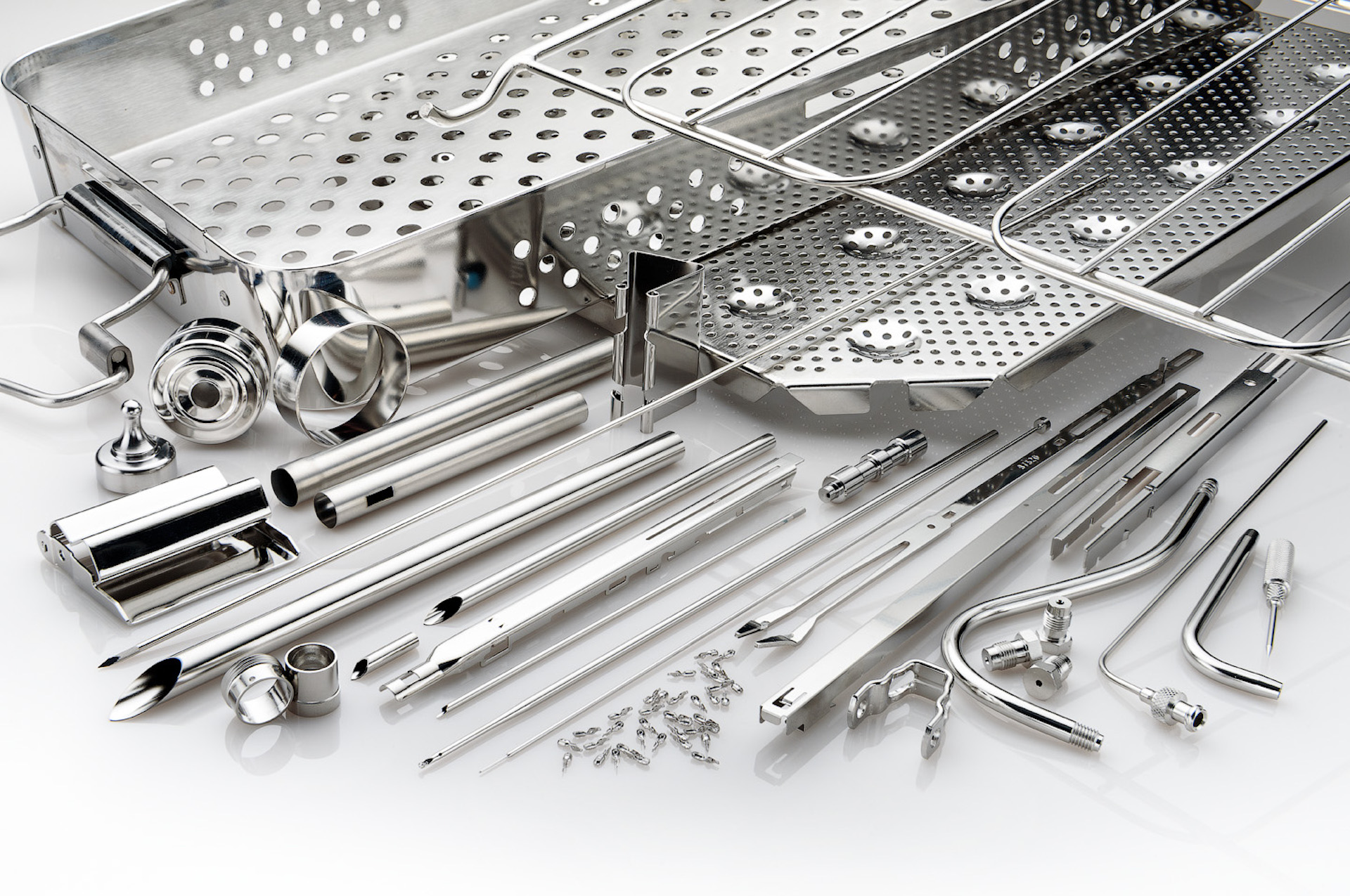
For high-precision components, electropolishing serves as both a surface finishing and micro-deburring process. Instead of grinding or cutting away imperfections, electropolishing removes a controlled microscopic layer of material through an electrochemical reaction. This smooths sharp peaks, rounds edges at a microscopic level, and eliminates fine burrs that mechanical methods often miss.
Key advantages of electropolishing for deburring include:
-
Uniform results across complex geometries
-
No mechanical stress or distortion
-
Improved surface smoothness and reflectivity
-
Enhanced corrosion resistance through surface refinement
-
Preservation of tight dimensional tolerances
Because the process works at a microscopic scale, it is especially valuable in industries such as medical device manufacturing, aerospace, electronics, and precision instrumentation.
Deburring and Surface Finish Go Hand in Hand
Deburring is often most effective when integrated with broader surface finishing strategies. Removing burrs alone may not be enough if the surrounding surface still contains embedded contaminants, machining marks, or uneven texture. Pairing deburring with processes such as passivation or electropolishing can provide both clean edges and chemically stable surfaces.
This combined approach improves not only how a part looks, but how it performs in real-world conditions.
When Deburring Becomes Mission-Critical
Certain applications leave little room for imperfection. Components used in medical implants, fluid control systems, sensors, aerospace assemblies, and high-purity processing equipment must meet strict performance and cleanliness standards. In these environments, a single overlooked burr can cause leaks, interference, contamination, or premature failure.
By treating deburring as a controlled, repeatable process rather than an afterthought, manufacturers reduce risk and improve overall product quality.
The Takeaway
Deburring is a small step with a large impact. Removing unwanted edges and microscopic imperfections helps ensure parts assemble correctly, perform reliably, and resist wear and corrosion over time. Whether achieved through mechanical, chemical, or electrochemical methods, effective deburring is a foundational element of precision manufacturing and high-quality surface finishing.
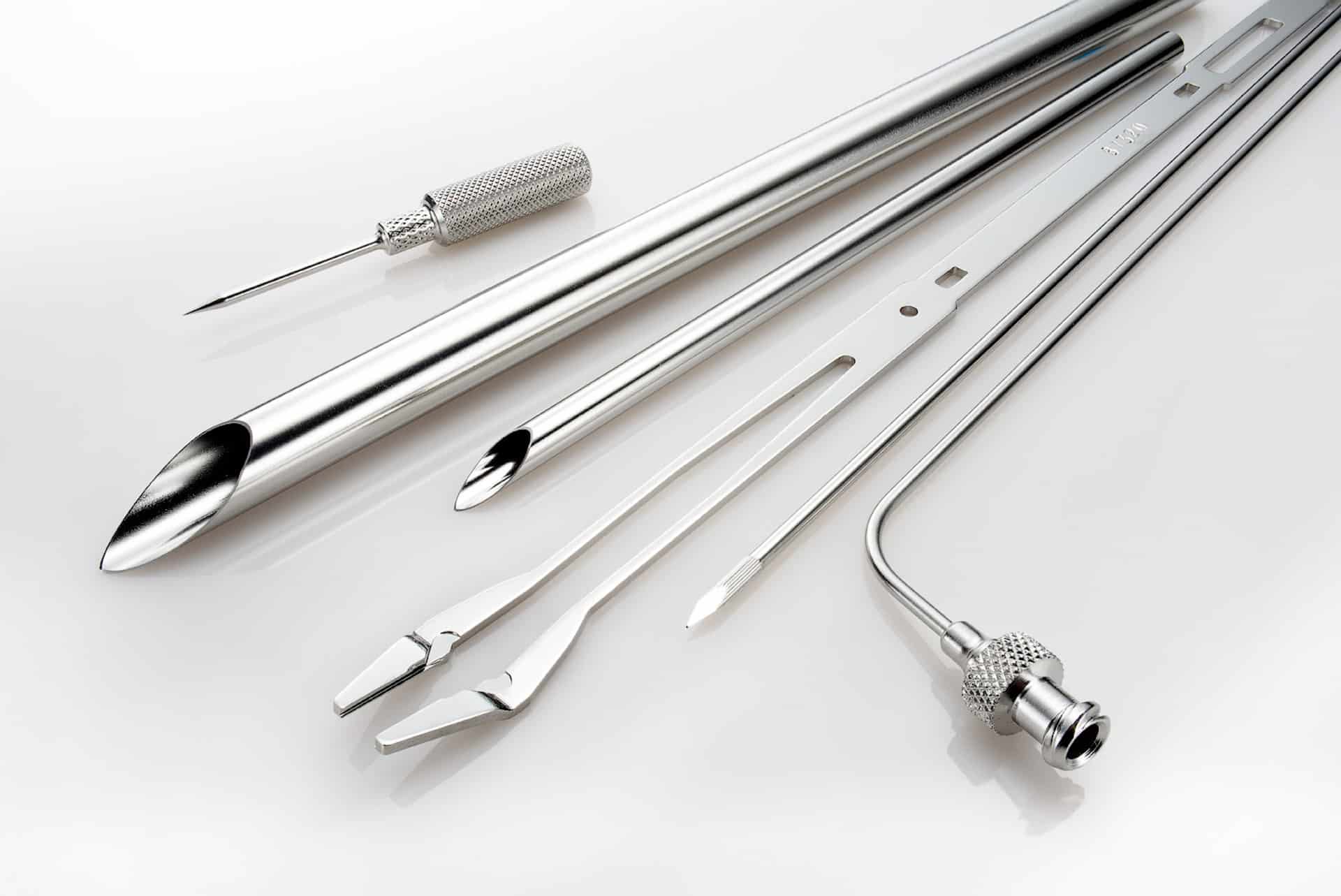
What is Electropolishing?
Electropolishing is an electrochemical and reverse plating process that removes the outer layer of skin on a metal…
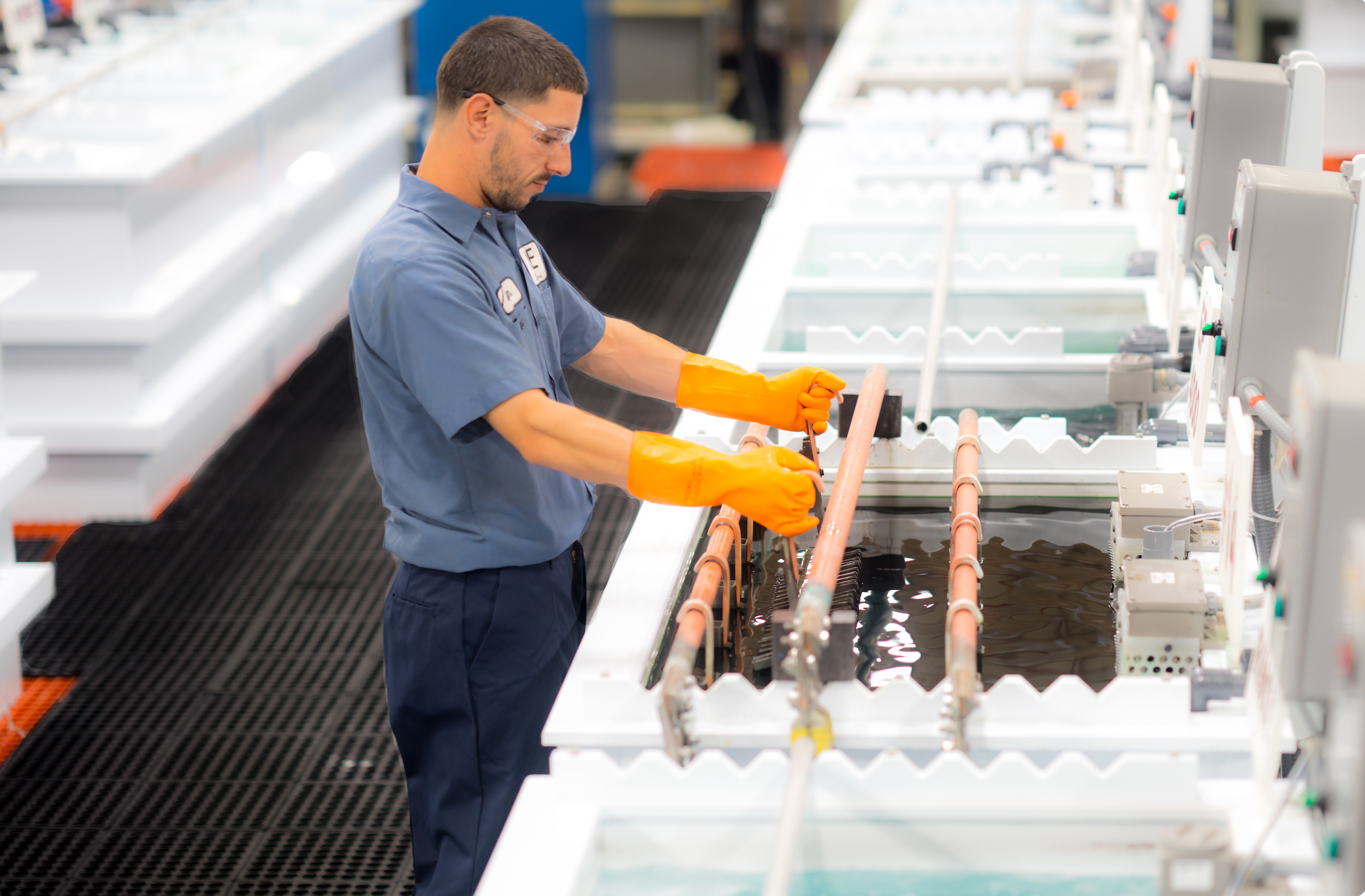
The Electropolishing Process
The electropolishing process is initiated by immersing a metal part into a temperature-controlled bath of electrolyte…
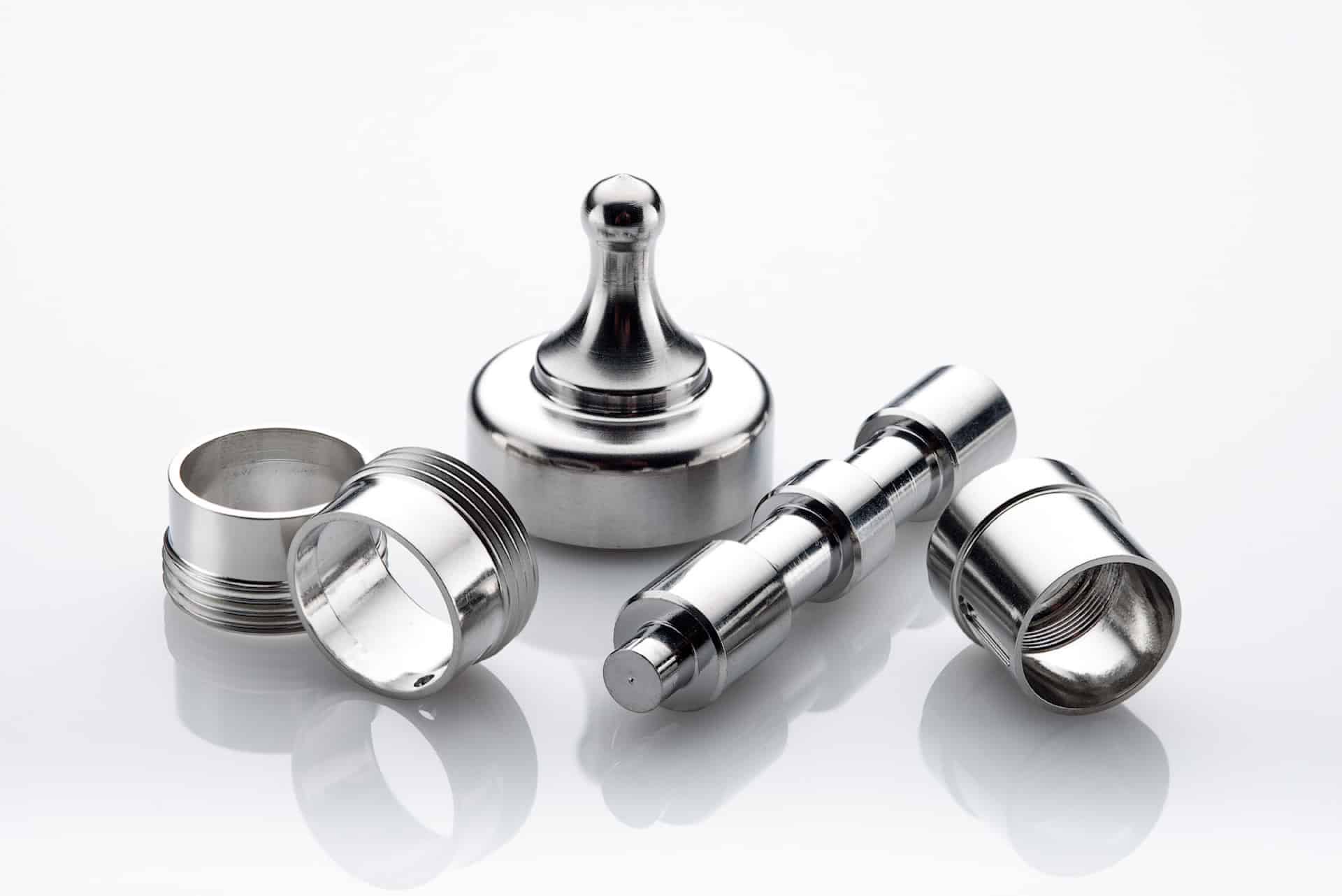
Benefits of Electropolishing
Curious about the benefits of putting your parts through the electropolishing process? Read along below where we…
How Much Material Does Electropolishing Remove?
Electropolishing, when done properly is a highly controllable process which removes as little as…
How Much Will Electropolishing Improve the Surface Finish of My Part?
Ra and RMS are both representations of surface roughness. Ra is calculated as the roughness average of a surface’s…
Electropolishing Frequently Asked Questions
Learn the difference between electropolishing and electroplating as well as how the electropolishing process works…
What is ASTM B912?
ASTM B912 is an industry standard for the passivation of stainless steel alloys through electropolishing…
What is ASTM A967?
ASTM A967 is an industry standard specification for the chemical passivation treatments for stainless…
What is ISO 13485?
ISO 13485 is a standard that applies specifically to medical devices. ISO 13485 is designed to be…