
Can Citric Acid Passivation Remove Surface Contamination from Laser-Cut Stainless Steel?
Laser cutting is one of the most efficient and precise methods for fabricating stainless steel components, but the process can leave behind more than just clean cut edges. Heat, molten metal, oxidation, and microscopic contaminants introduced during laser cutting can negatively affect corrosion resistance and surface performance if not properly addressed.
A common question manufacturers ask is: Can citric acid passivation remove surface contamination from laser-cut stainless steel?
In many cases, the answer is yes—citric acid passivation can effectively remove free iron and surface contamination from laser-cut stainless steel, especially after proper pre-cleaning or slag removal. However, understanding what passivation can and cannot do is important for achieving the best results.
What Happens During Laser Cutting?
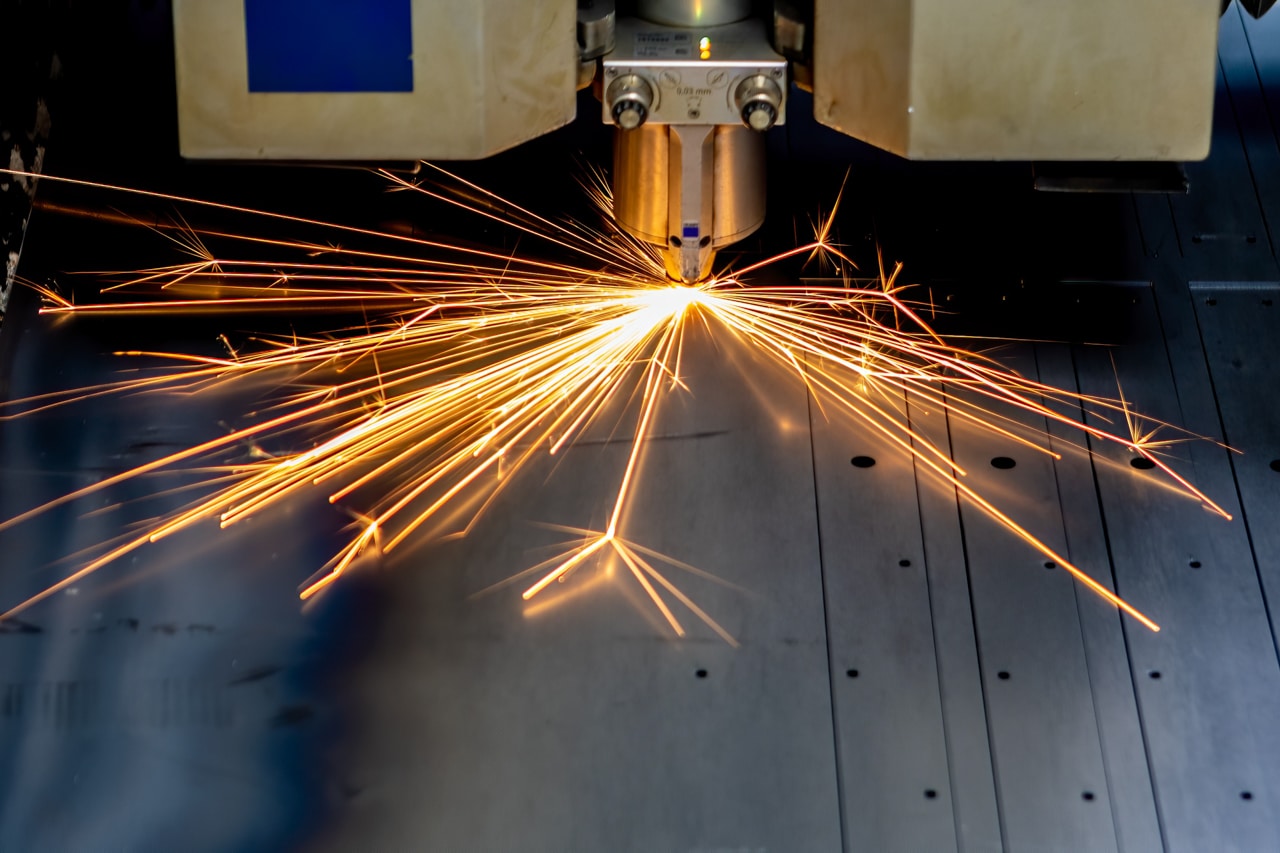
Laser cutting exposes stainless steel to intense localized heat that melts material along the cut path. During this process, several surface conditions may develop, including:
- Heat tint and oxidation
- Re-solidified molten metal (slag or dross)
- Embedded contaminants
- Surface discoloration
- Oxide scale near cut edges
These conditions can interfere with the stainless steel’s natural protective oxide layer and may reduce corrosion resistance if left untreated.
What Is Surface Contamination on Laser-Cut Stainless Steel?
Surface contamination can come from several sources during fabrication and handling, including:
- Free iron transferred from tooling or equipment
- Burned surface oxides
- Shop debris and handling contamination
- Heat-affected scale and residue
- Microscopic particles trapped in rough surfaces
- Even stainless steel can develop rust or staining if these contaminants remain on the surface.
How Citric Acid Passivation Helps
Citric acid passivation works by chemically removing free iron and surface contaminants from stainless steel without aggressively attacking the base metal itself. Once contaminants are removed, the chromium in the alloy can form a stronger and more uniform passive oxide layer.
For laser-cut stainless steel, citric passivation can help:
- Remove embedded iron contamination
- Improve corrosion resistance
- Restore surface cleanliness
- Prepare parts for sanitary or high-purity use
- Support downstream finishing processes
This is especially valuable for stainless steel components used in medical, food processing, pharmaceutical, semiconductor, and industrial applications.
Can Passivation Remove Laser Slag?
This is where an important distinction must be made.
While citric acid passivation is highly effective at removing contamination, it is not designed to remove heavy laser slag or thick dross buildup on its own.
Large amounts of slag or oxide scale often require:
- Mechanical cleaning
- Deburring
- Grinding or tumbling
- Abrasive cleaning
- Pre-treatment processing before passivation can be fully effective.
If slag remains on the surface, it can trap contaminants and prevent the passivation chemistry from uniformly treating the stainless steel.
For best results, manufacturers often combine slag removal with passivation as part of the finishing process.
Why This Matters for Corrosion Resistance
Laser-cut edges are often more vulnerable to corrosion because:
- The protective oxide layer has been disrupted
- Surface roughness increases contamination retention
- Heat-affected zones may react differently to the environment
Passivation helps restore the stainless steel’s corrosion-resistant surface after fabrication.
Without proper cleaning and passivation, laser-cut stainless steel may experience:
- Surface staining
- Premature rusting
- Pitting corrosion
- Reduced cleanability
- Inconsistent appearance
When Electropolishing May Be the Better Option
For applications requiring an even smoother, cleaner, and more corrosion-resistant surface, electropolishing
may be recommended after laser cutting and slag removal.
Electropolishing removes a controlled microscopic layer of metal, helping eliminate:
- Micro-burrs
- Heat tint remnants
- Embedded contaminants
- Surface roughness
This can significantly improve both appearance and long-term performance.
Common Industries That Benefit
Laser-cut stainless steel components are commonly passivated in industries such as:
- Medical manufacturing
- Food and beverage processing
- Pharmaceutical processing
- Semiconductor manufacturing
- Aerospace fabrication
- Industrial equipment manufacturing
In these environments, surface cleanliness and corrosion resistance are critical.
The Bottom Line
So, can citric acid passivation remove surface contamination from laser-cut stainless steel?
Yes—citric acid passivation is highly effective at removing free iron and surface contamination from laser-cut stainless steel when parts are properly cleaned and prepared first. However, heavy slag, dross, or oxide buildup may require additional pre-treatment before passivation.
By combining proper slag removal with passivation or electropolishing, manufacturers can significantly improve corrosion resistance, surface quality, and long-term stainless steel performance.