by neelectropolis | Nov 3, 2025 | Blog, Electropolishing, Electropolishing Medical Devices
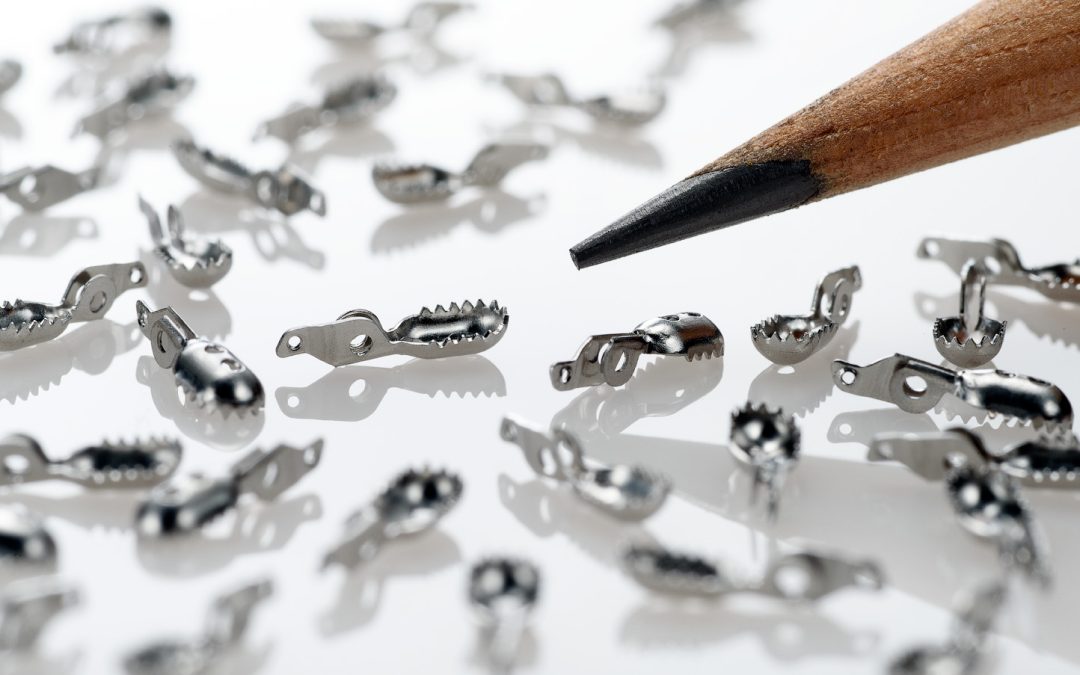
Measuring the Microfinish: How to Quantify Surface Improvements from Electropolishing Electropolishing is well known for its ability to enhance corrosion resistance, cleanliness, and appearance in stainless steel parts—but how do you prove those improvements? Beyond...
by neelectropolis | Oct 15, 2025 | Blog
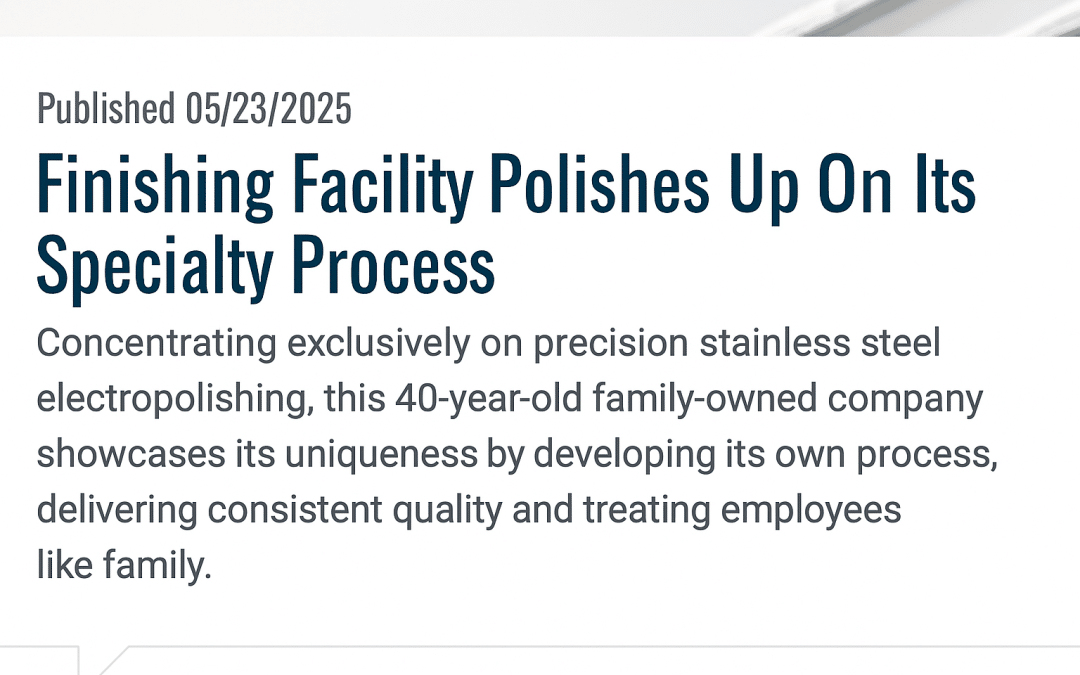
We’re honored to be spotlighted by Products Finishing in their recent profile We’re honored to be spotlighted by Products Finishing in their recent profile, “Finishing Facility Polishes Up on Its Specialty Process.” The article offers an inside look at how New England...
by neelectropolis | Sep 22, 2025 | Blog, Citric Acid Passivation, Passivation
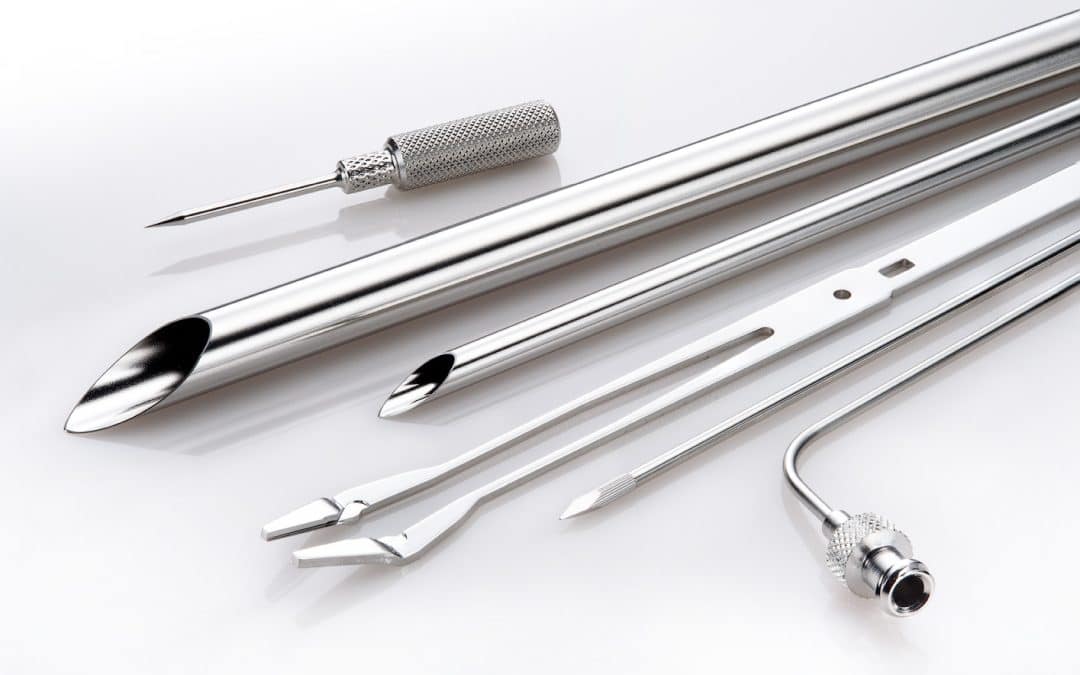
Medical Device Passivation: Vital for Safety, Compliance, and Longevity In medical manufacturing, stainless steel isn’t just chosen for strength—it’s chosen for its ability to remain hygienic, resist corrosion, and maintain its performance across repeated...
by neelectropolis | Sep 16, 2025 | Blog, Passivation, Stainless Steel Passivation
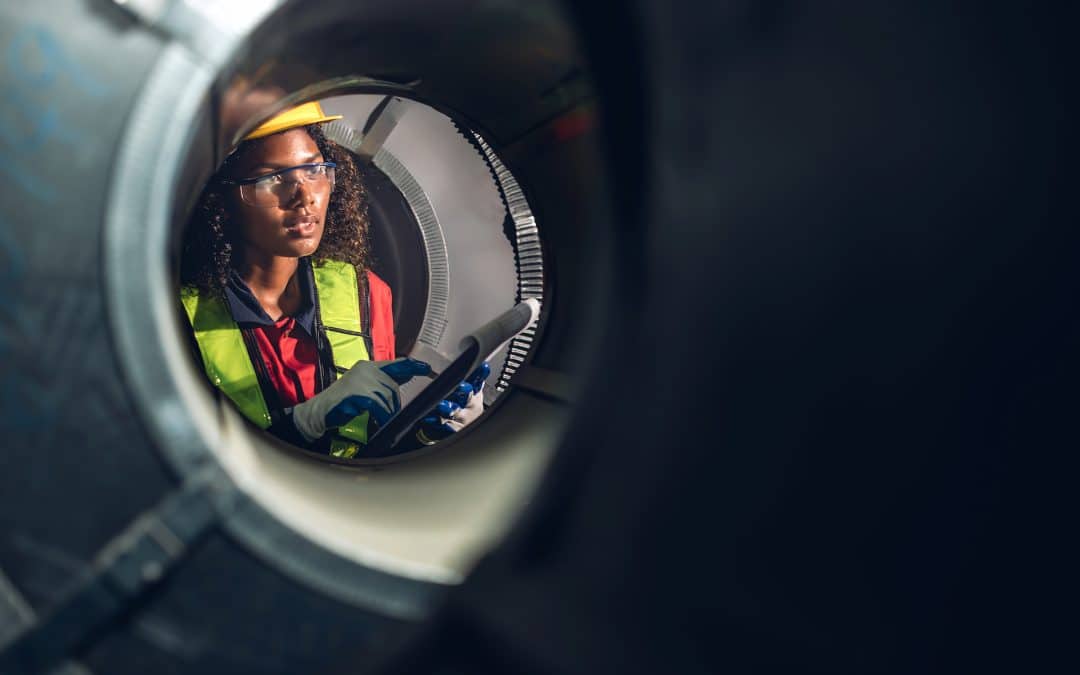
Stainless Steel Passivation in Extreme Environments: Offshore, Aerospace, and Cleanroom Applications Stainless steel is chosen for demanding applications because of its ability to form a self-healing chromium oxide film that protects the substrate from corrosion. But...
by neelectropolis | Sep 9, 2025 | Blog, Citric Acid Passivation, Corrosion Resistant Stainless Steel Treatments, Passivation
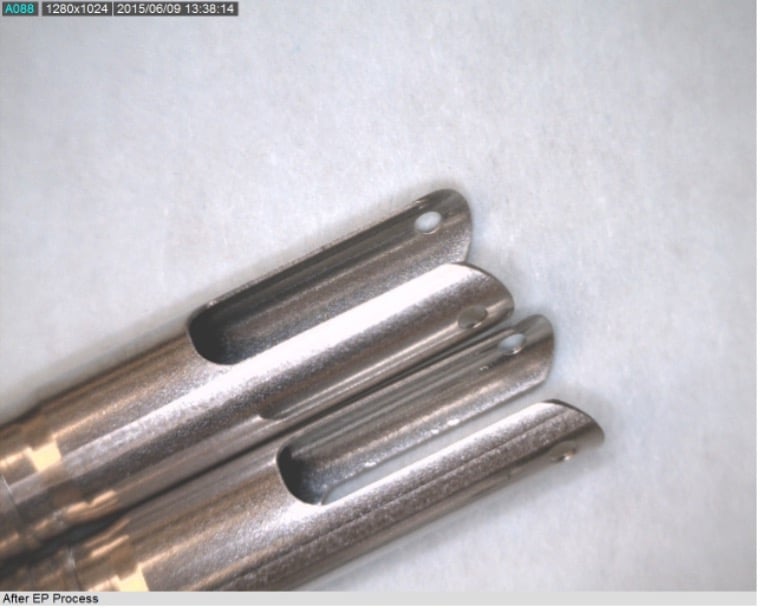
Case Study: Citric Acid Passivation of Stainless Steel Orthopedic Components A medical device manufacturer approached New England Electropolishing with a finishing requirement for a precision-machined stainless steel component used in an orthopedic device. Because the...
