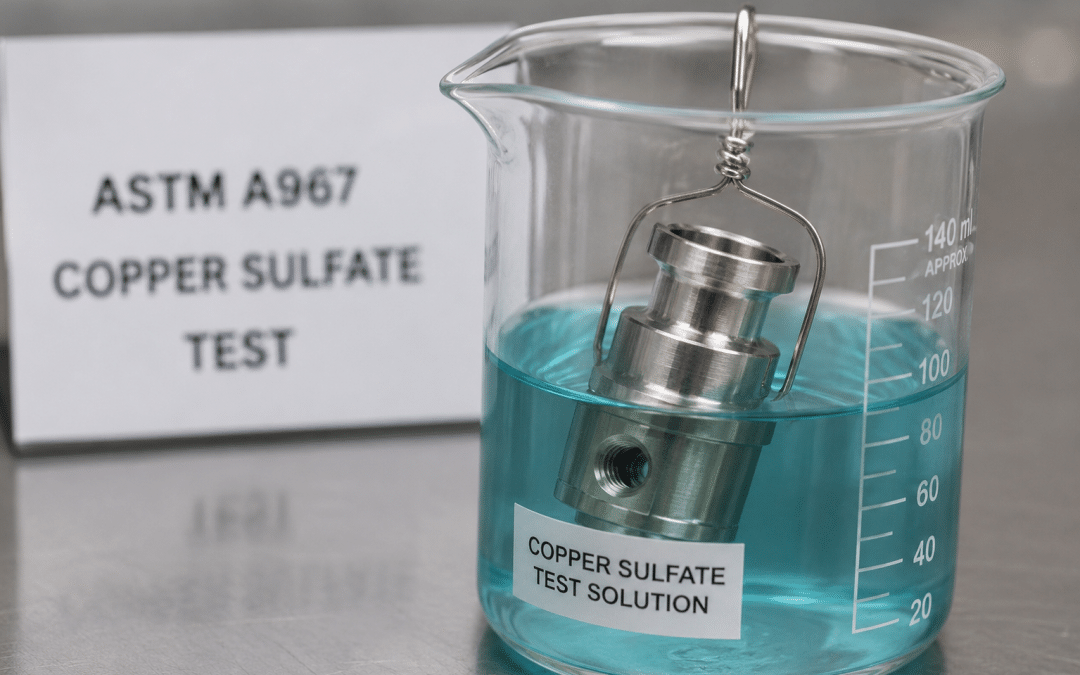
by neelectropolis | Jul 29, 2026 | ASTM A967, Blog, Citric Acid Passivation, Electropolishing, Passivation, Stainless Steel Passivation
Understanding ASTM A967 Acceptance Tests: How Passivation Quality Is Verified Passivation is only effective if it achieves its intended purpose—removing free iron contamination and restoring the stainless steel’s natural passive layer. But how can manufacturers...
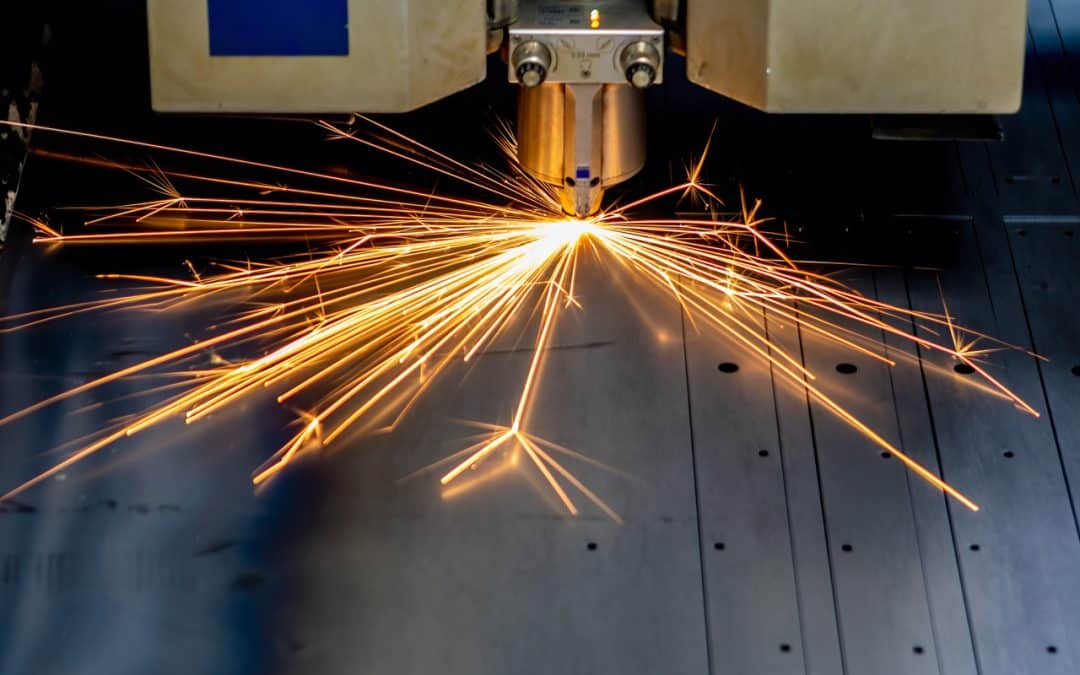
by neelectropolis | May 26, 2026 | Blog, Citric Acid Passivation, Laser Slag Removal, Passivation, Stainless Steel Passivation
Can Citric Acid Passivation Remove Surface Contamination from Laser-Cut Stainless Steel? Laser cutting is one of the most efficient and precise methods for fabricating stainless steel components, but the process can leave behind more than just clean cut edges. Heat,...
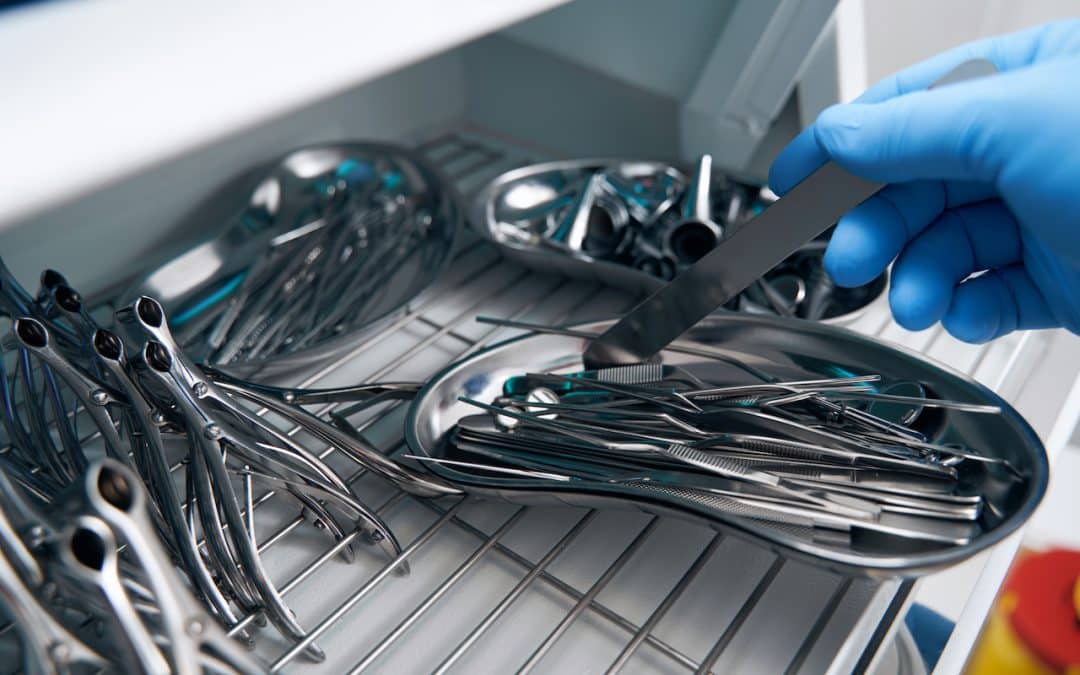
by neelectropolis | Feb 2, 2026 | Blog, Electropolishing, Laser Slag Removal, Passivation, Stainless Steel Passivation
Deburring: Why Removing Micro-Burrs Is Critical to Part Performance In precision manufacturing, even the smallest surface imperfection can create outsized problems. Burrs—those tiny raised edges or fragments of metal left behind after machining, cutting, stamping, or...
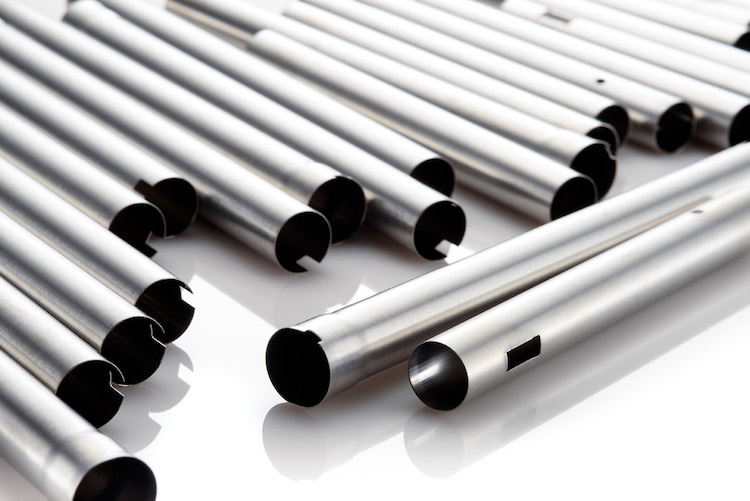
by neelectropolis | Nov 17, 2025 | Blog, Citric Acid Passivation, Passivation, Stainless Steel Passivation
The Hidden Variable in Stainless Steel Performance: Surface Chemistry Stability Through Passivation When engineers and manufacturers talk about stainless steel performance, the conversation often centers around alloy selection, mechanical strength, or surface...
by neelectropolis | Sep 16, 2025 | Blog, Passivation, Stainless Steel Passivation
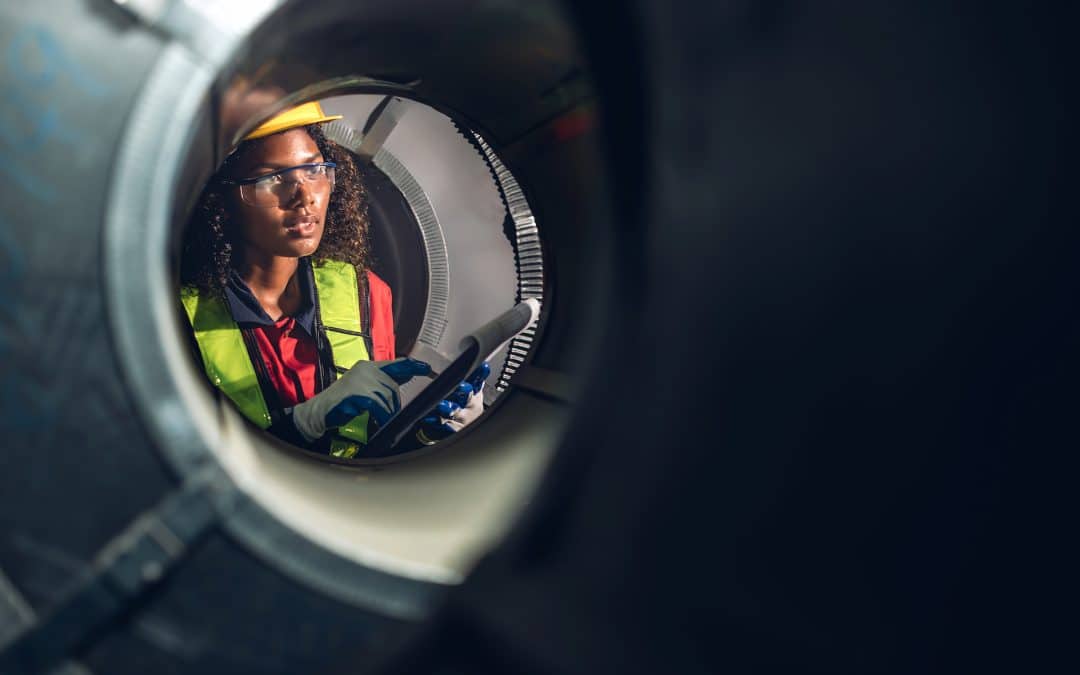
Stainless Steel Passivation in Extreme Environments: Offshore, Aerospace, and Cleanroom Applications Stainless steel is chosen for demanding applications because of its ability to form a self-healing chromium oxide film that protects the substrate from corrosion. But...
by neelectropolis | Sep 8, 2025 | Blog, Citric Acid Passivation, Passivation, Stainless Steel Passivation
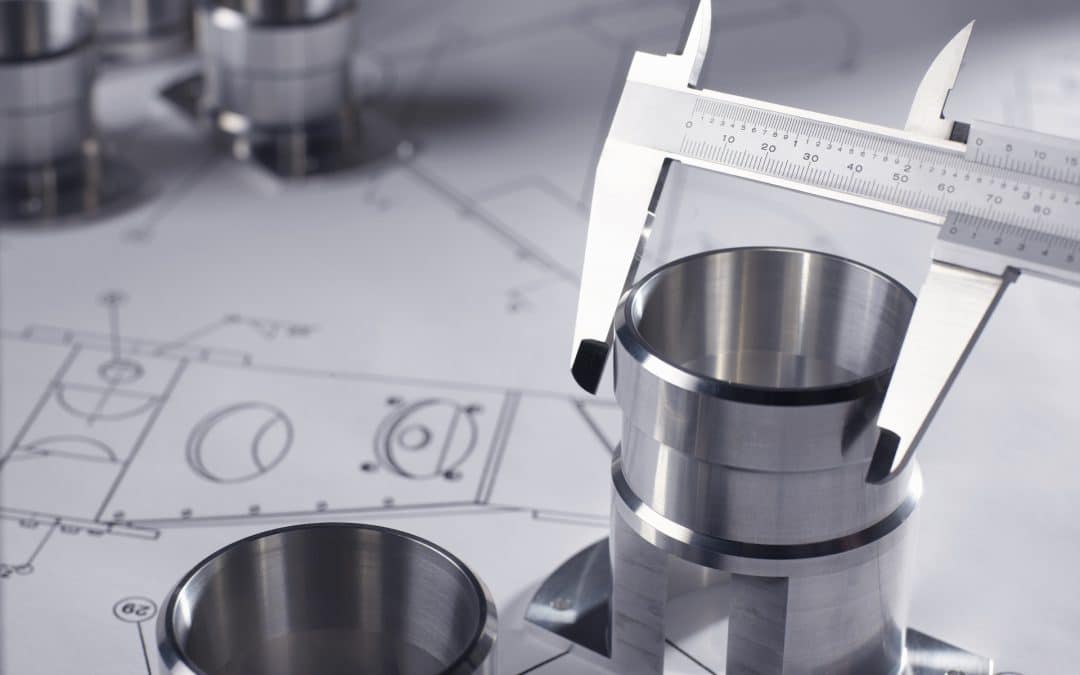
Citric Acid Passivation for Additive Manufacturing (3D-Printed Stainless Steel) Additive manufacturing, or 3D printing, has rapidly advanced from prototyping into full-scale production across industries like medical devices, aerospace, and high-performance...
