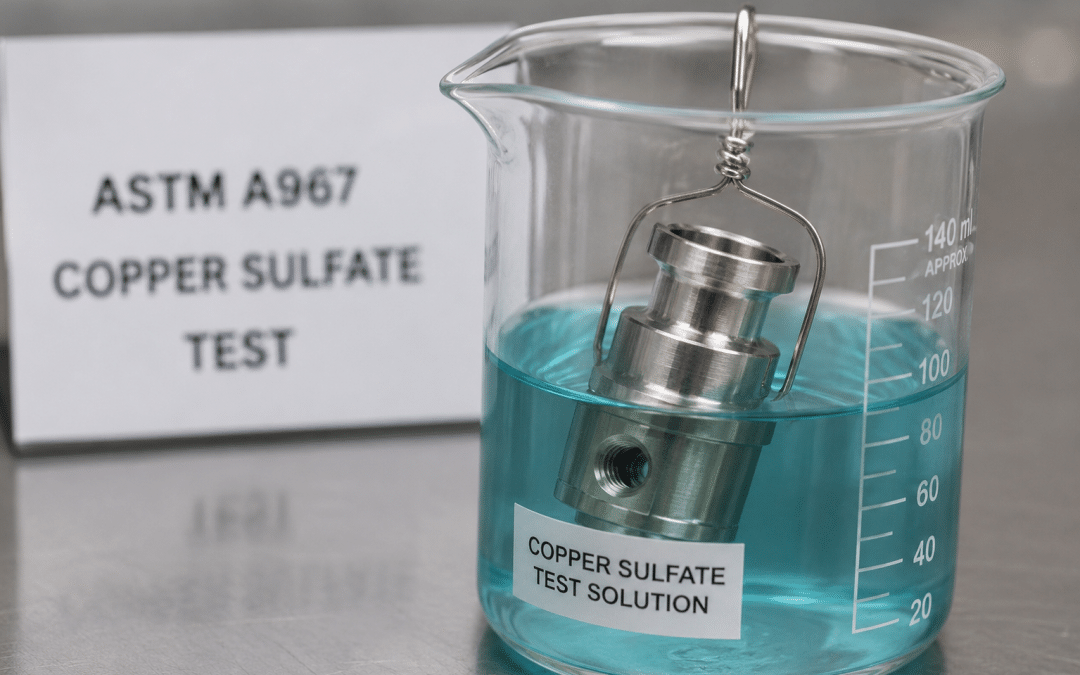
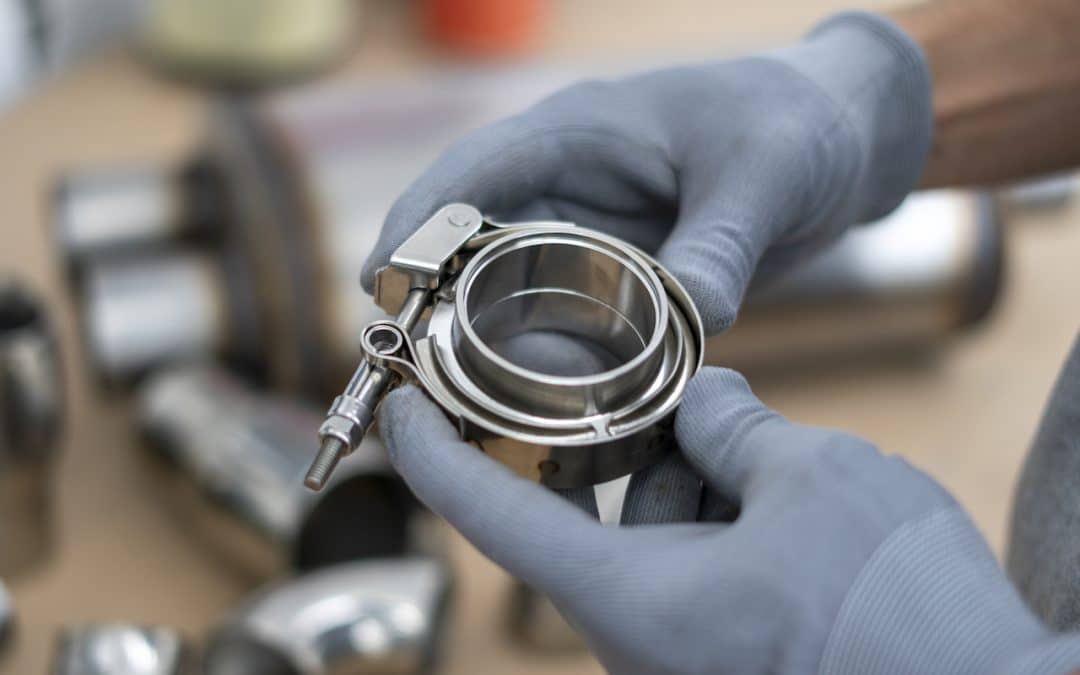
Understanding ASTM A967 Acceptance Tests: How Passivation Quality Is Verified Passivation is only effective if it achieves its intended purpose—removing free iron contamination and restoring the stainless steel’s natural passive layer. But how can manufacturers...
Pickling vs. Passivation: Understanding Two Critical Stainless Steel Surface Treatments When discussing corrosion resistance in stainless steel, two finishing processes are often mentioned together: pickling and passivation. While both treatments improve the...
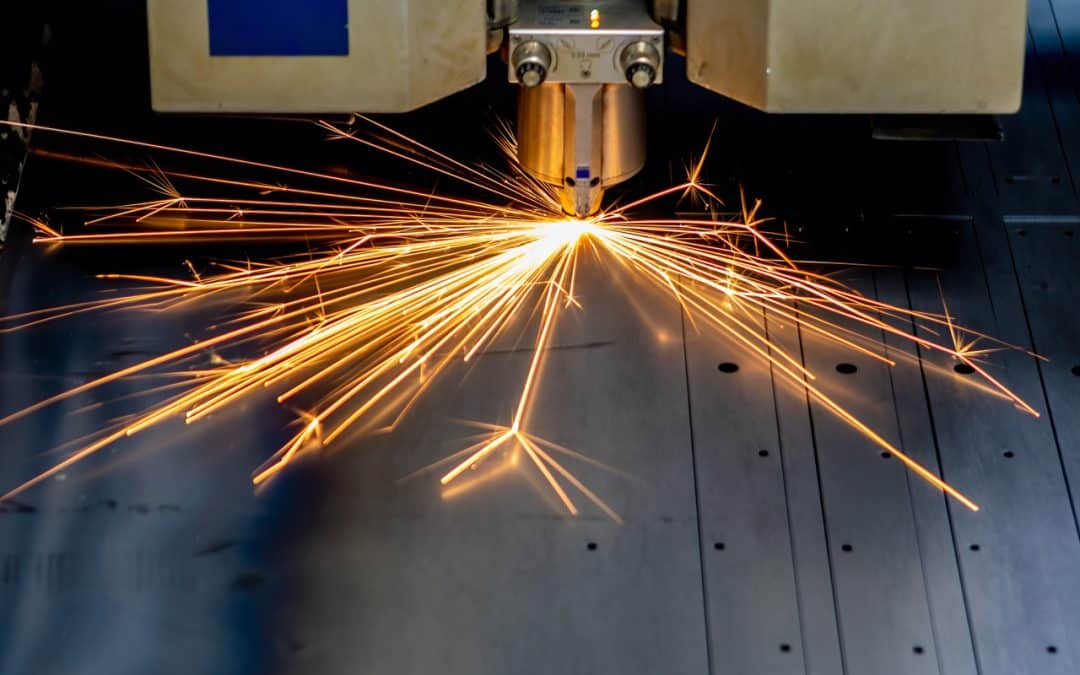
Can Citric Acid Passivation Remove Surface Contamination from Laser-Cut Stainless Steel? Laser cutting is one of the most efficient and precise methods for fabricating stainless steel components, but the process can leave behind more than just clean cut edges. Heat,...
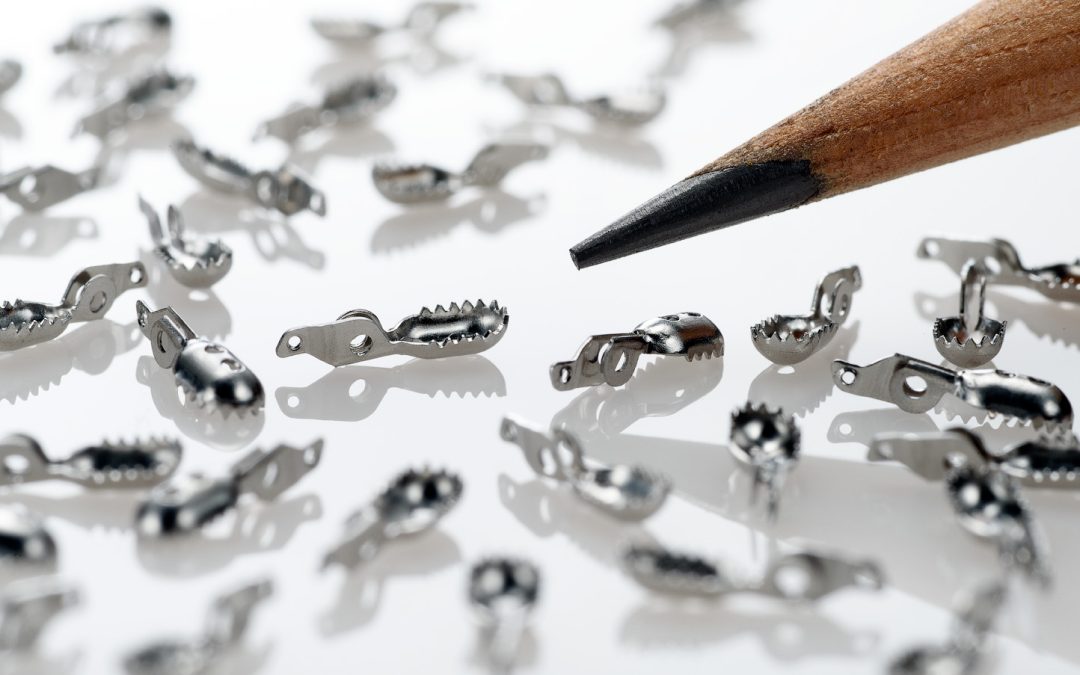
Can You Passivate Small Precision Machined Parts? Yes—small precision machined parts can absolutely be passivated, and in many industries, it’s not just possible but essential for performance, reliability, and corrosion resistance. In fact, passivation is often...
Can Stainless Steel Rust After Passivation? Yes—stainless steel can still rust after passivation, but it’s important to understand what passivation does (and doesn’t do) to know why. Passivation is a chemical treatment that removes free iron and surface contaminants...
When Should Stainless Steel Be Passivated? Stainless steel is known for its corrosion resistance, strength, and clean appearance—but manufacturing processes can compromise those benefits. A common question from engineers, fabricators, and manufacturers is: When should...