When Should Stainless Steel Be Passivated? Stainless steel is known for its corrosion resistance, strength, and clean appearance—but manufacturing processes can compromise those benefits. A common question from engineers, fabricators, and manufacturers is: When should...
What Grades of Stainless Steel Need Passivation? Stainless steel is widely chosen for its strength, durability, and corrosion resistance—but not all stainless steel performs the same in every environment. A common question manufacturers ask is: What grades of...
Does Electropolishing Harden Metal? Electropolishing is widely used to improve the surface quality of stainless steel, but a common question is whether the process actually hardens the metal. The short answer is: no—electropolishing does not increase the hardness of...
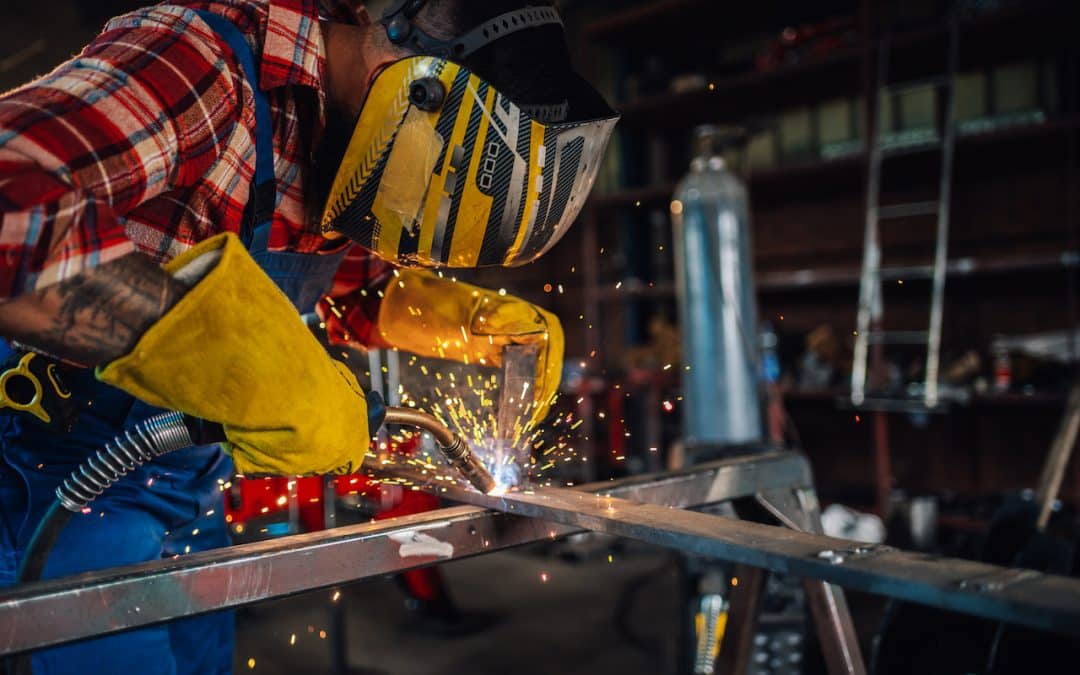
Can You Electropolish Welds? What Happens to Heat Tint and Weld Scale? If you fabricate or finish stainless steel components, you’ve almost certainly run into it: that rainbow-colored discoloration around a weld bead, or the dark, crusty scale that forms on...
Electropolishing for Industrial Manufacturing In industrial manufacturing environments, stainless steel components are expected to withstand harsh chemicals, constant wear, and demanding operating conditions. While stainless steel is naturally corrosion-resistant,...