by neelectropolis | Dec 2, 2024 | Electrolytic Polishing
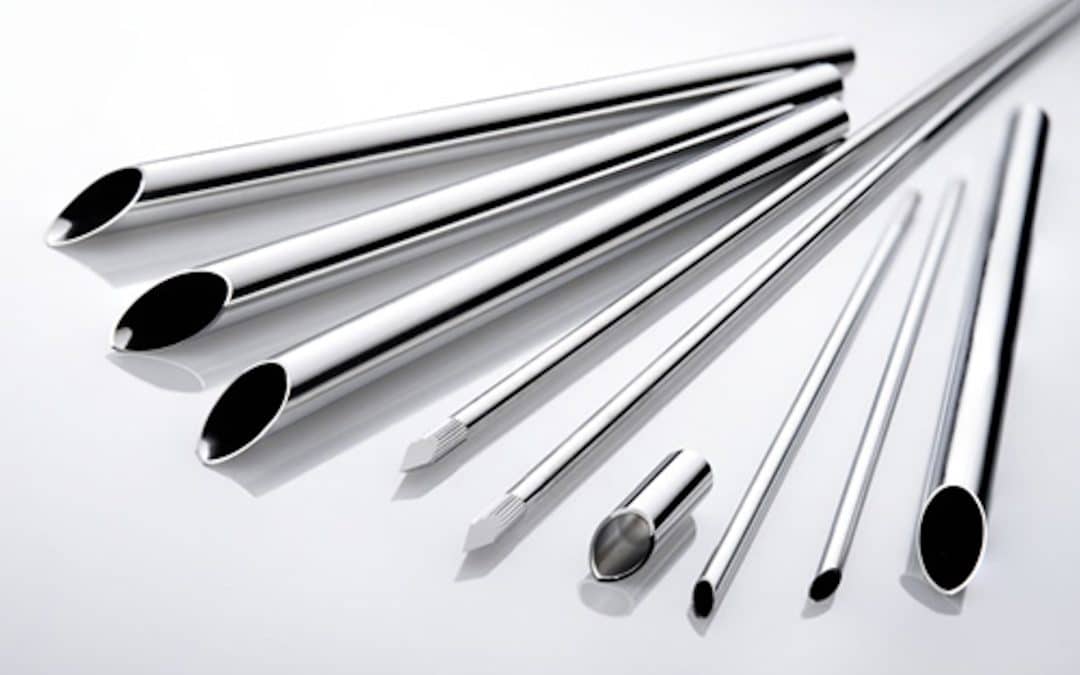
Electrolytic Polishing vs. Mechanical Polishing: What’s the Difference? When it comes to achieving a smooth, corrosion-resistant surface on metals like stainless steel, two common methods stand out: electrolytic polishing, more commonly referred to as...

by neelectropolis | Dec 2, 2024 | Blog, Stainless Steel Passivation, Why does stainless steel rust?
Passivation in High-Humidity Environments: Protecting Stainless Steel Against Corrosion High-humidity environments present unique challenges for stainless steel components. While stainless steel is widely valued for its natural corrosion resistance, prolonged exposure...
by neelectropolis | Nov 25, 2024 | Citric Acid Passivation, Why does stainless steel rust?
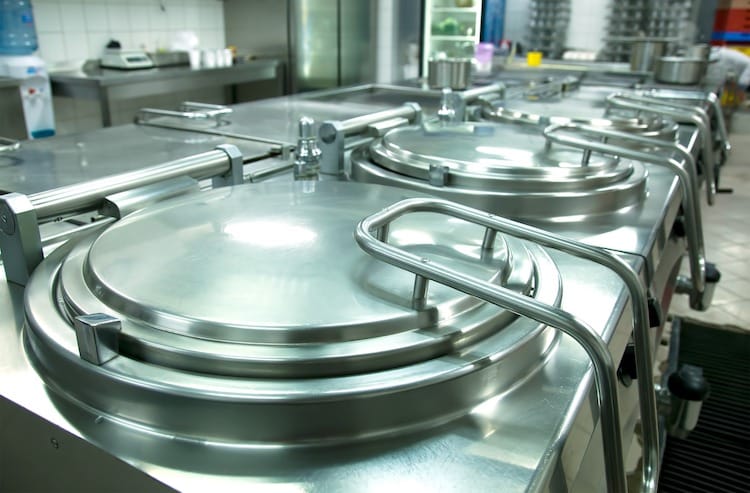
Citric Acid Passivation: Addressing Corrosion Challenges in the Food and Beverage Industry In the food and beverage industry, ensuring hygienic, durable, and corrosion-resistant equipment is critical for maintaining safety, product quality, and regulatory compliance....
by neelectropolis | Nov 25, 2024 | Electropolishing Medical Devices
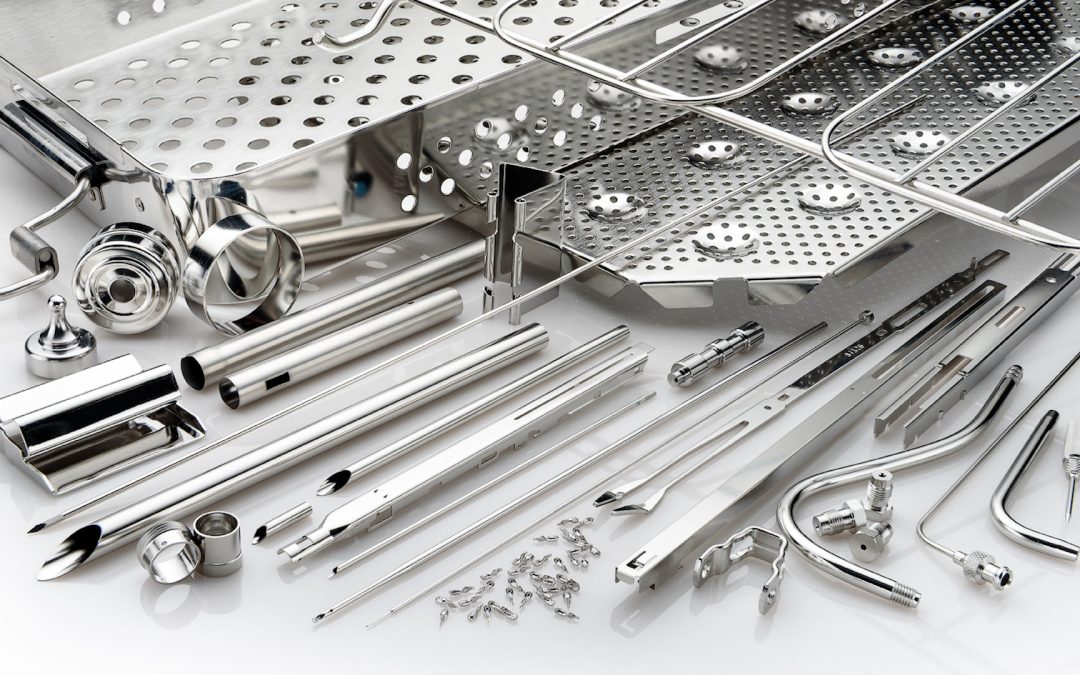
From Surgical Tools to Implants: Electropolishing Applications in the Medical Industry The medical industry demands precision, safety, and durability from its equipment and devices. From surgical tools to life-saving implants, these components must meet stringent...

by neelectropolis | Nov 25, 2024 | Passivation, Stainless Steel Passivation, Why does stainless steel rust?
Preventing Pitting Corrosion in Stainless Steel: How Passivation Makes the Difference Stainless steel is renowned for its corrosion resistance, but it isn’t immune to all forms of degradation. In chloride-rich environments, such as coastal or marine settings,...
