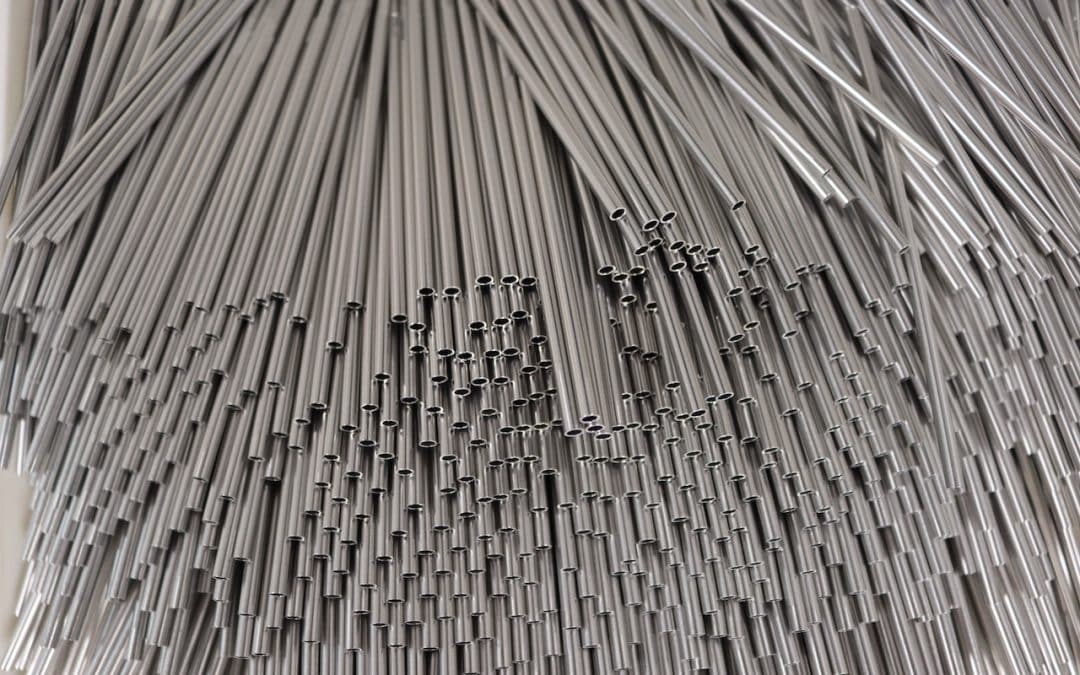
by neelectropolis | Apr 7, 2025 | Acid Pickling, Blog
Acid Pickling for Stainless Steel When it comes to finishing stainless steel components for high-performance applications, the surface treatment process you choose can make all the difference. While citric acid passivation and electropolishing are widely known for...
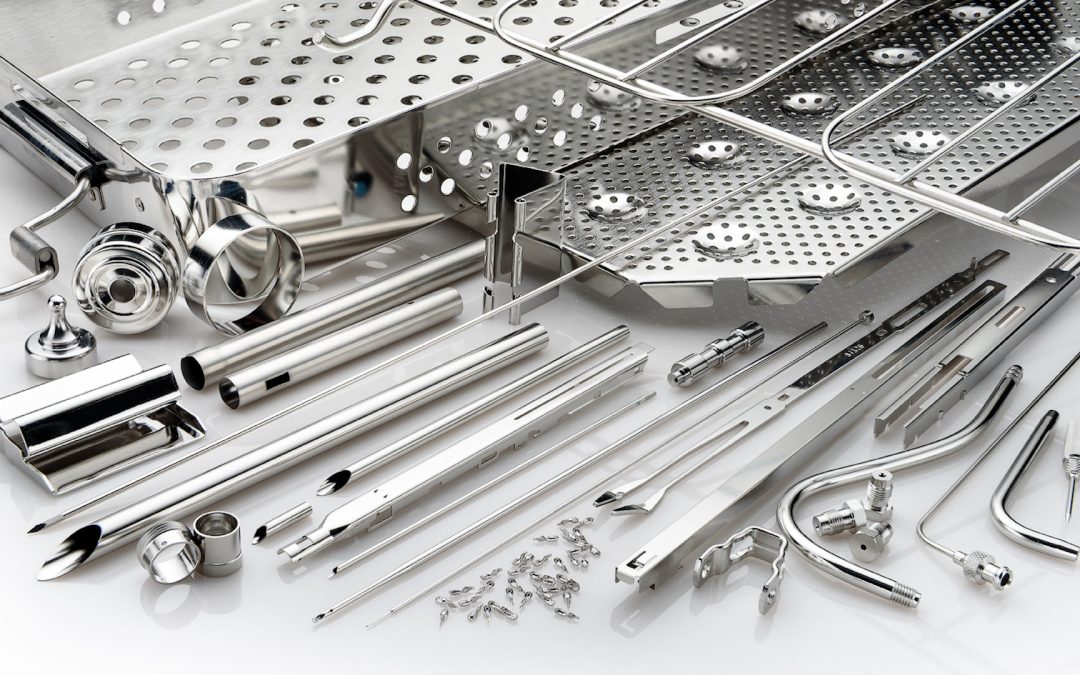
by neelectropolis | Mar 17, 2025 | Blog, Citric Acid Passivation, Passivation, Stainless Steel Passivation
How Long Does Passivation Last? Factors That Affect Its Durability Stainless steel is known for its corrosion resistance, but without proper treatment, it can still be vulnerable to rust and contamination. Passivation of stainless steel is a crucial process that...
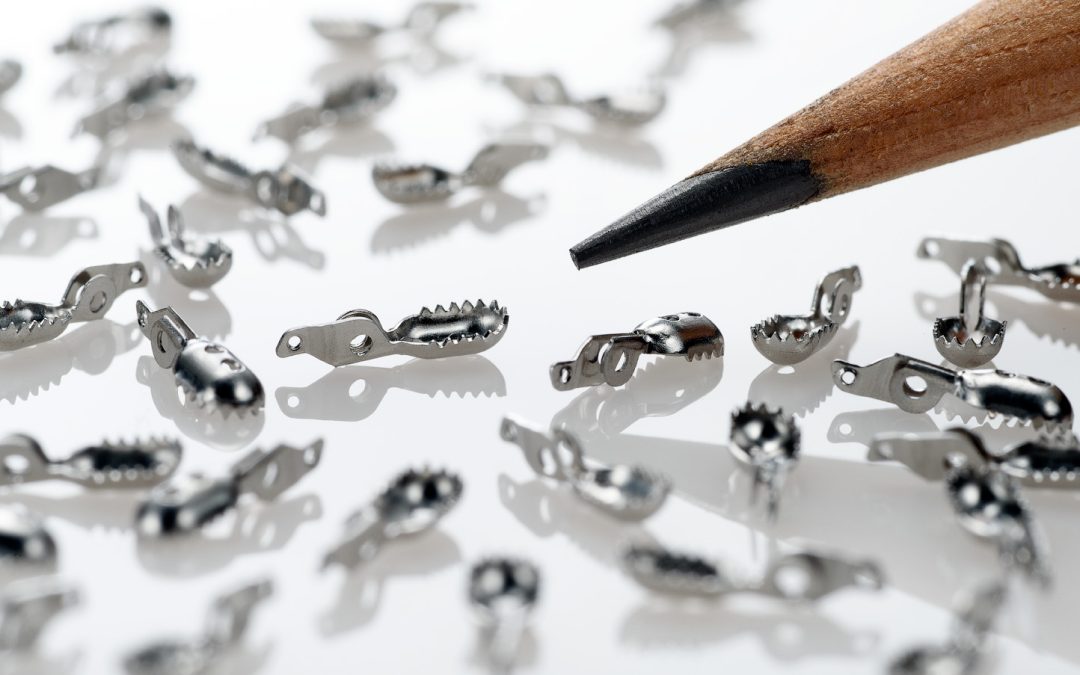
by neelectropolis | Feb 24, 2025 | Blog, Electropolishing
Our latest feature in Products Finishing highlights bulk electropolishing enhances corrosion resistance, biocompatibility, and performance for surgical jaws Precision and efficiency are critical in medical device manufacturing, especially for surgical instruments. Our...
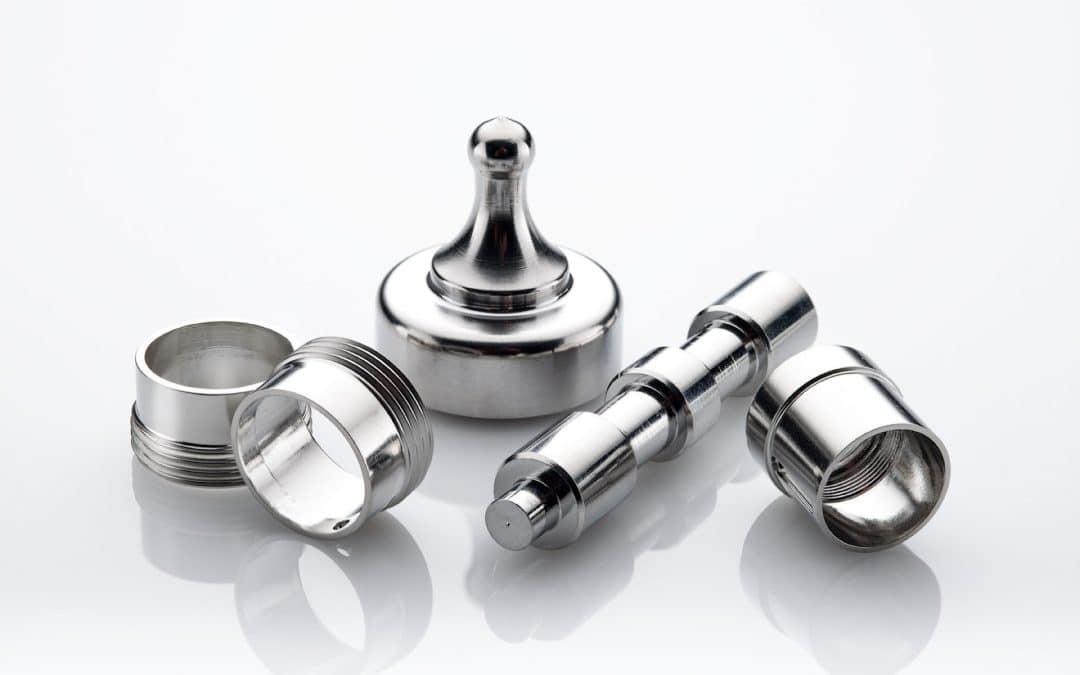
by neelectropolis | Feb 3, 2025 | Citric Acid Passivation, Why does stainless steel rust?
How Long Does Citric Acid Passivation Last? Citric acid passivation is a widely used method for enhancing the corrosion resistance of stainless steel across industries like medical, aerospace, food processing, and marine. But a common question manufacturers ask is:...
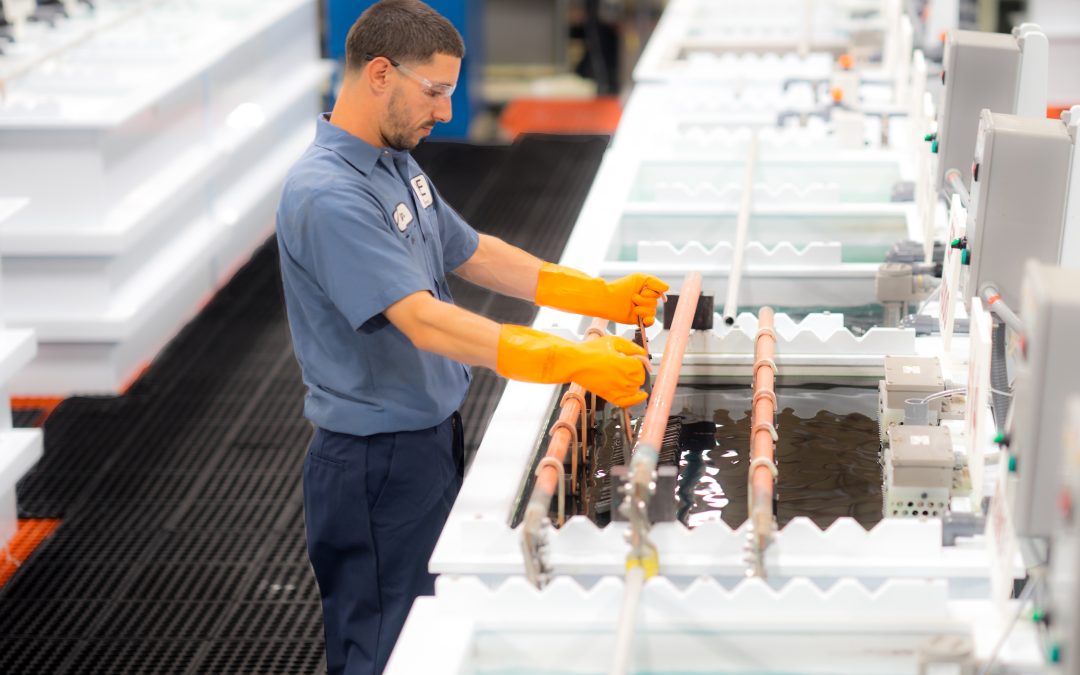
by neelectropolis | Dec 2, 2024 | Citric Acid Passivation
Common Misconceptions About Citric Acid Passivation: What Manufacturers Need to Know Citric acid passivation is becoming an increasingly popular choice for treating stainless steel surfaces, thanks to its eco-friendly nature and excellent performance. However, despite...
