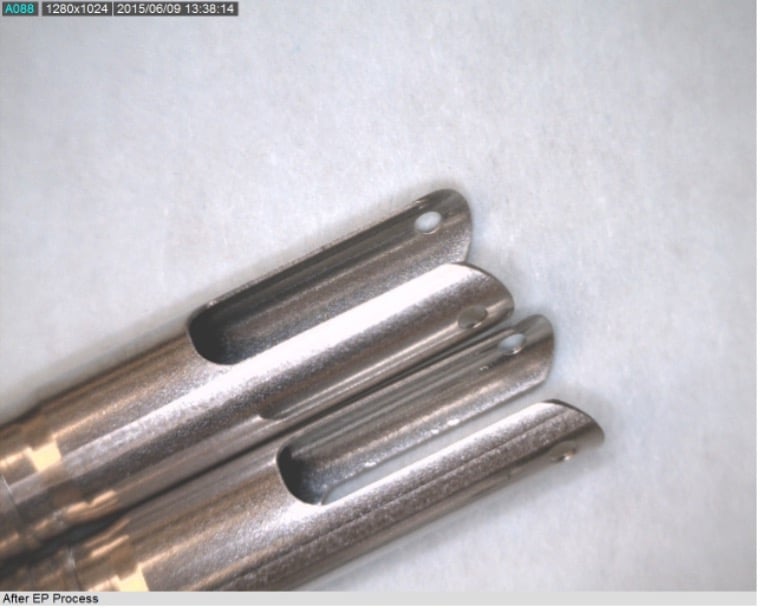
Case Study: Citric Acid Passivation of Stainless Steel Orthopedic Components A medical device manufacturer approached New England Electropolishing with a finishing requirement for a precision-machined stainless steel component used in an orthopedic device. Because the...
Citric Acid Passivation for Additive Manufacturing (3D-Printed Stainless Steel) Additive manufacturing, or 3D printing, has rapidly advanced from prototyping into full-scale production across industries like medical devices, aerospace, and high-performance...
Understanding Grade 434 Stainless Steel Grade 434 stainless steel is a ferritic stainless steel that contains added molybdenum for improved corrosion resistance compared to 430. Known for its durability and enhanced performance in mildly corrosive environments, 434 is...
Understanding Grade 430 Stainless Steel Stainless steels are a broad family of corrosion-resistant alloys, each designed with a specific balance of properties to suit particular applications. Among them, grade 430 stainless steel stands out as one of the most widely...
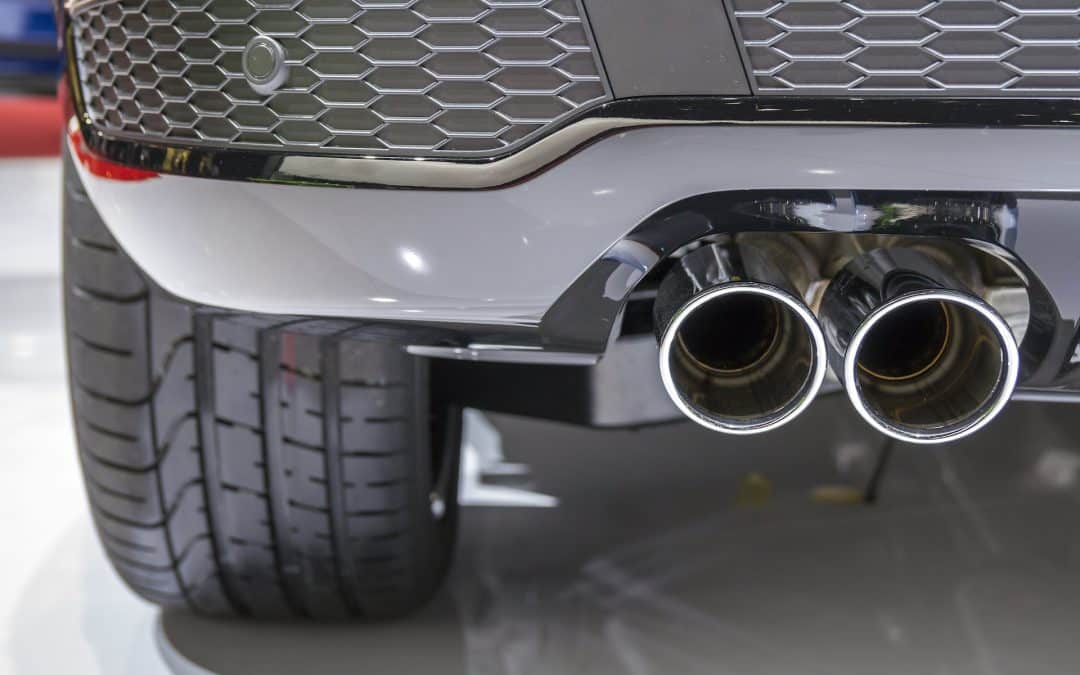
Understanding 409 Stainless Steel When it comes to stainless steels, not every grade is designed for the same purpose. Some are built for maximum corrosion resistance, others for superior strength, and some for high formability. Grade 409 stainless steel falls into a...
Does Passivation Remove Material? One of the most common questions we hear at New England Electropolishing is: Does passivation remove material from stainless steel parts? The short answer is no—at least not in any measurable way. Passivation is a chemical treatment...