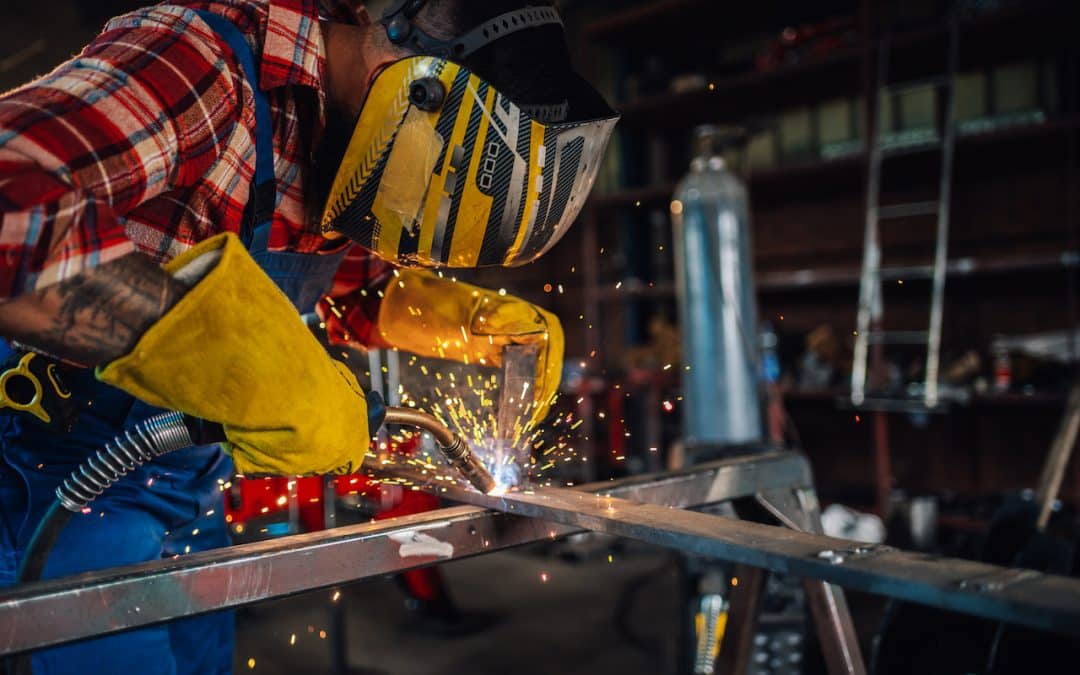
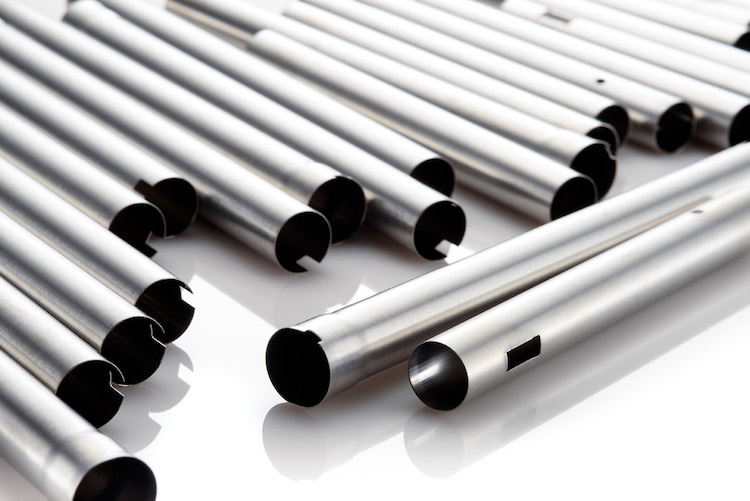
Can You Electropolish Welds? What Happens to Heat Tint and Weld Scale? If you fabricate or finish stainless steel components, you’ve almost certainly run into it: that rainbow-colored discoloration around a weld bead, or the dark, crusty scale that forms on...
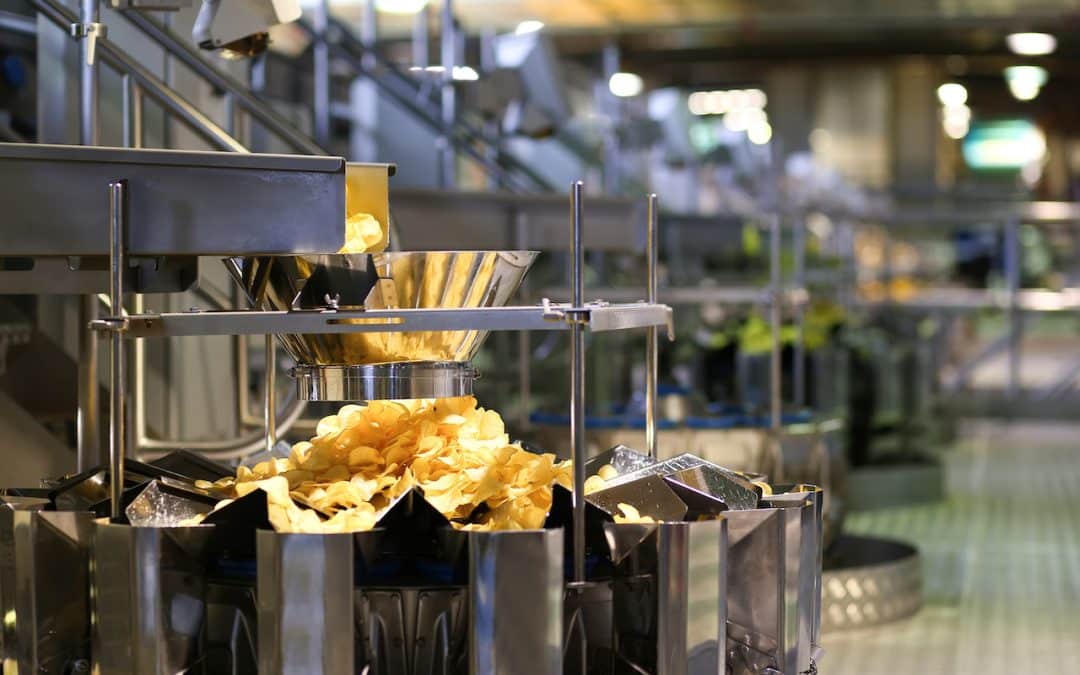
Electropolishing for the Food & Beverage Manufacturing Industry In food and beverage production, surface finish is directly tied to safety, sanitation, and product quality. Stainless steel equipment is used throughout processing lines because of its strength and...
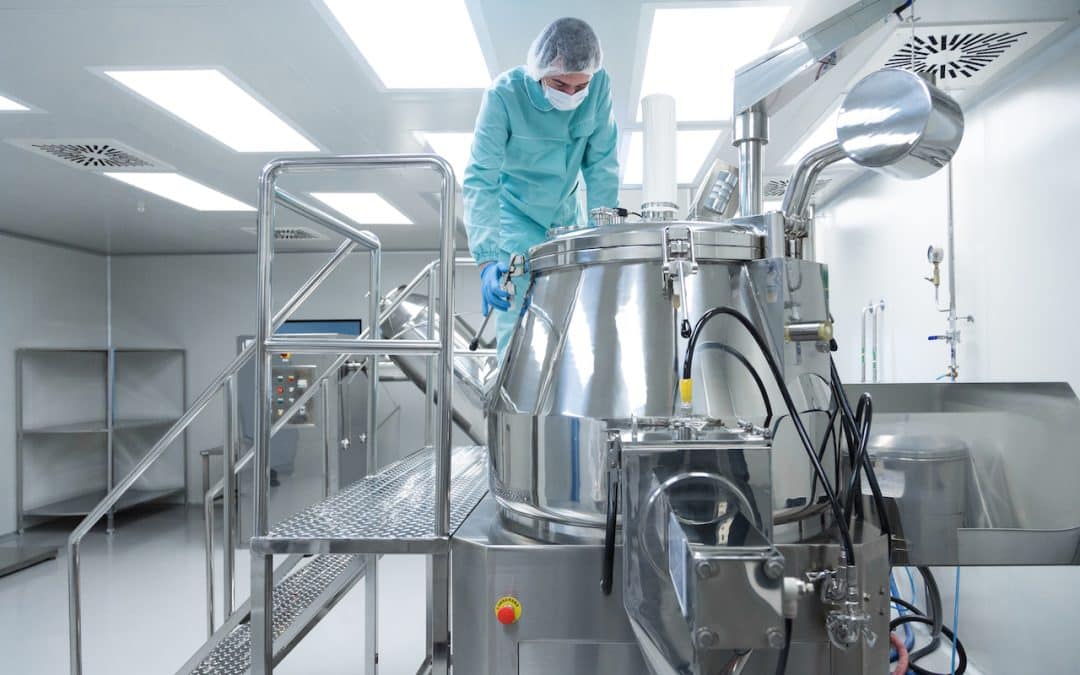
Electropolishing for the Pharmaceutical Industry In pharmaceutical manufacturing, surface quality is not just a matter of appearance — it is directly tied to product purity, regulatory compliance, and operational efficiency. Stainless steel components used in...
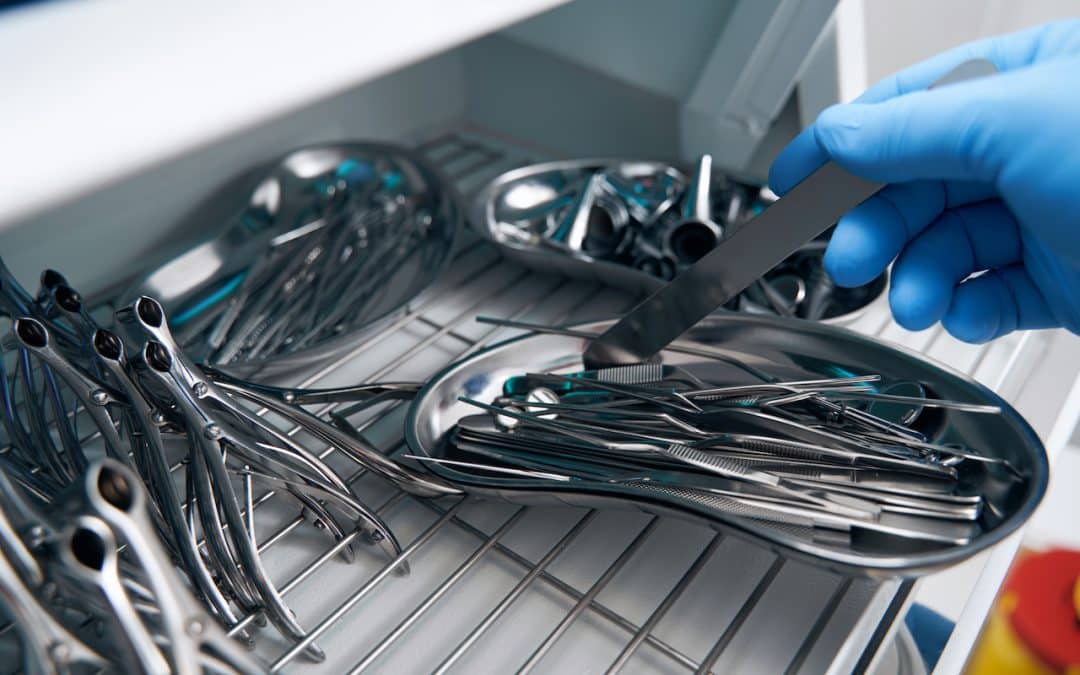
Deburring: Why Removing Micro-Burrs Is Critical to Part Performance In precision manufacturing, even the smallest surface imperfection can create outsized problems. Burrs—those tiny raised edges or fragments of metal left behind after machining, cutting, stamping, or...
The Hidden Variable in Stainless Steel Performance: Surface Chemistry Stability Through Passivation When engineers and manufacturers talk about stainless steel performance, the conversation often centers around alloy selection, mechanical strength, or surface...