by neelectropolis | Aug 26, 2026 | Blog, Laser Slag Removal
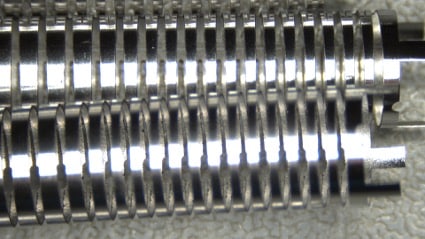
Case Study: Multi-Process Laser Slag Removal and Electropolishing of Stainless Steel Stents A medical device manufacturer approached New England Electropolishing with a challenging application involving laser-cut stainless steel stents. The intricate geometry and...
by neelectropolis | Aug 26, 2026 | Blog, Dross Removal, Electropolishing Medical Devices, Laser Slag Removal
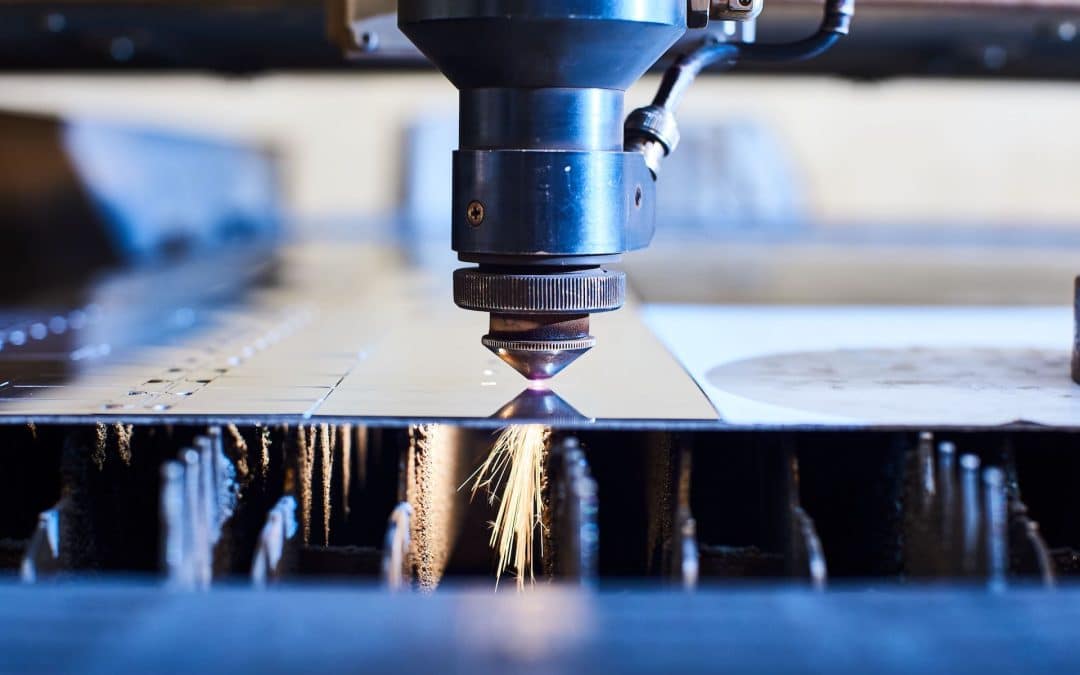
Laser Slag & Dross Removal for Stainless Steel Components Laser cutting can produce precise stainless steel components with complex geometries, but it can also create a secondary finishing challenge. Depending on alloy, thickness, laser parameters and geometry,...
by neelectropolis | Jul 26, 2026 | Blog, Laser Slag Removal
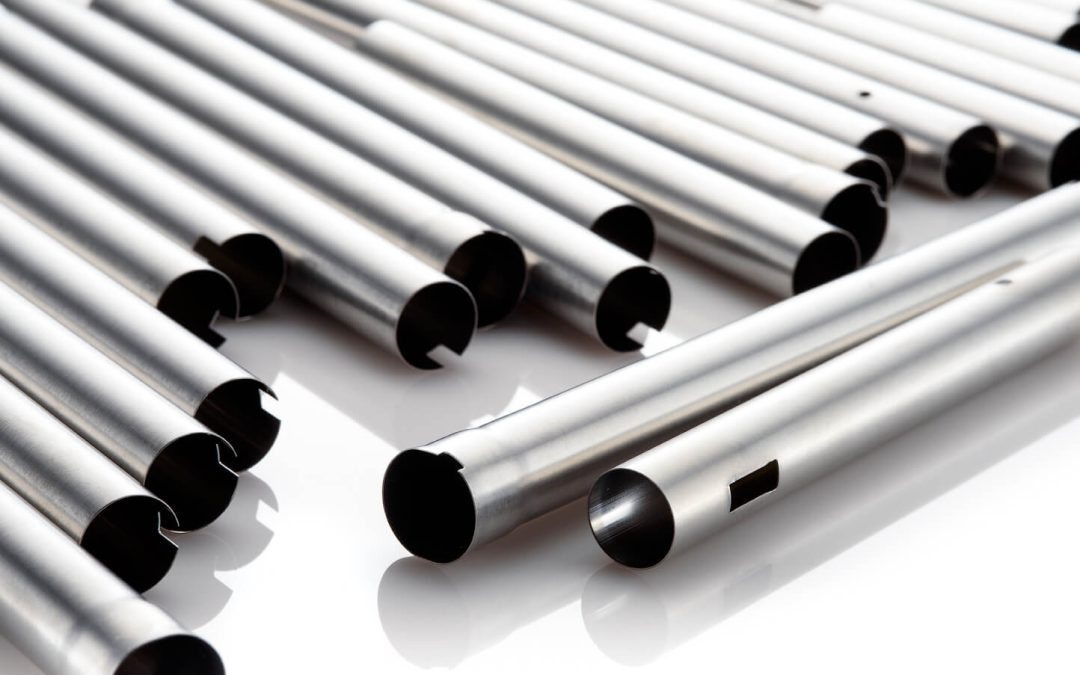
Case Study: Laser Slag Removal for Stainless Steel Tubes A medical device manufacturer approached New England Electropolishing with a challenging finishing requirement involving laser-cut stainless steel tubing. The components featured intricate geometry and required...
by neelectropolis | May 26, 2026 | Blog, Citric Acid Passivation, Laser Slag Removal, Passivation, Stainless Steel Passivation
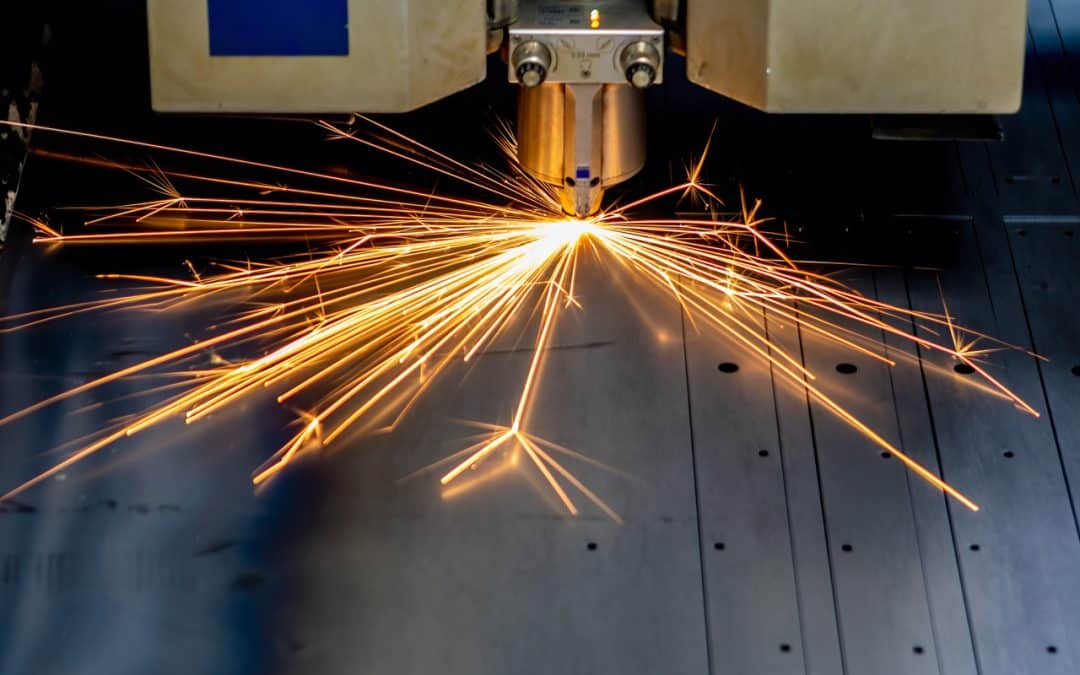
Can Citric Acid Passivation Remove Surface Contamination from Laser-Cut Stainless Steel? Laser cutting is one of the most efficient and precise methods for fabricating stainless steel components, but the process can leave behind more than just clean cut edges. Heat,...
by neelectropolis | Feb 2, 2026 | Blog, Electropolishing, Laser Slag Removal, Passivation, Stainless Steel Passivation
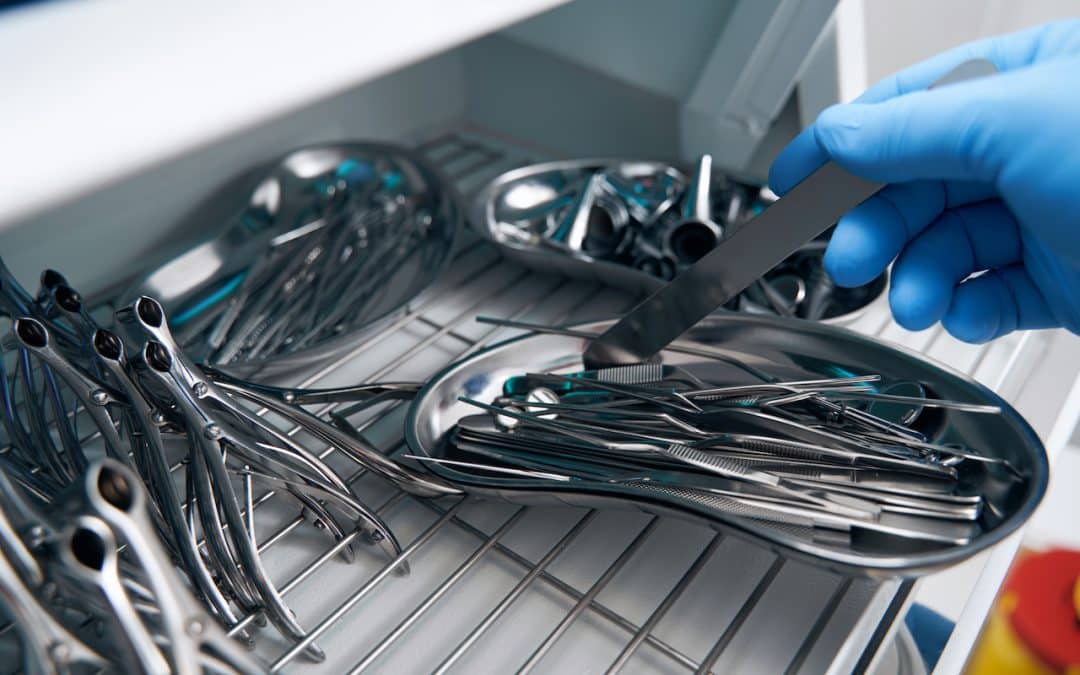
Deburring: Why Removing Micro-Burrs Is Critical to Part Performance In precision manufacturing, even the smallest surface imperfection can create outsized problems. Burrs—those tiny raised edges or fragments of metal left behind after machining, cutting, stamping, or...
by neelectropolis | Aug 7, 2020 | Blog, Electropolishing Medical Devices, Laser Slag Removal
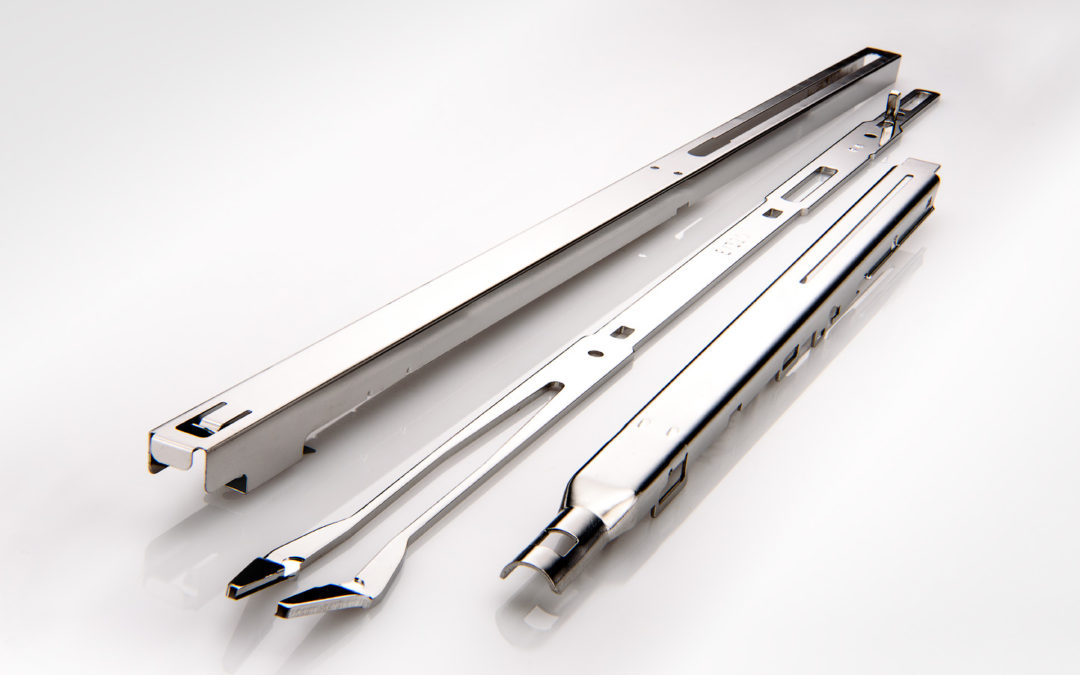
Laser Slag Removal for Medical Parts Electropolishing is an electro-chemical process that can help to remove “laser slag” – a heat affected zone left behind from the laser cutting process. Laser Slag Removal For Medical Parts Laser slag associated...
