
How Long Does Passivation Last? Factors That Affect Its Durability
Stainless steel is known for its corrosion resistance, but without proper treatment, it can still be vulnerable to rust and contamination. Passivation of stainless steel is a crucial process that enhances its longevity by removing free iron from the surface and forming a protective oxide layer. However, one common question manufacturers ask is: How long does passivation last? The answer depends on several factors, including environmental conditions, material quality, and maintenance practices.
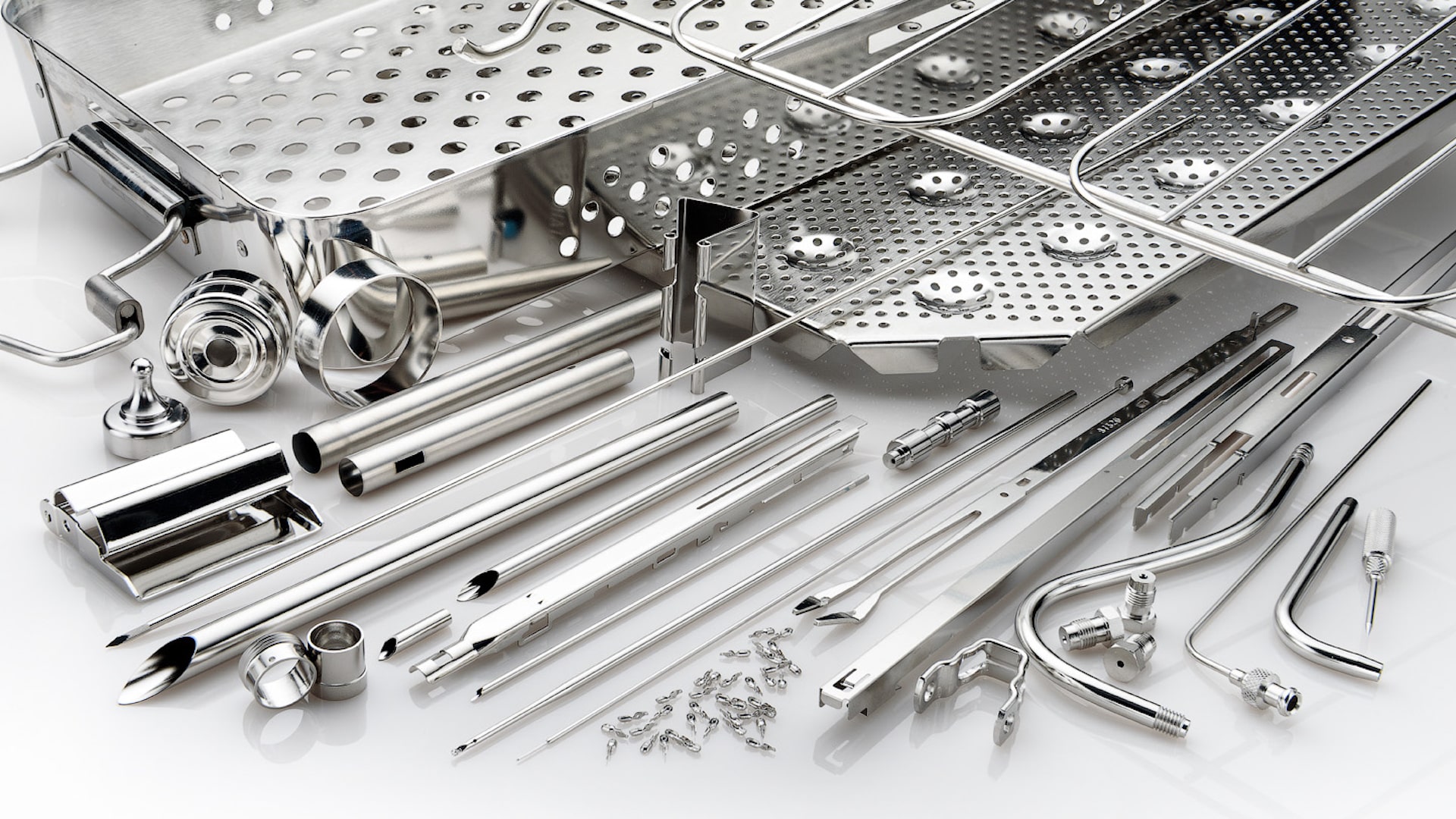
Understanding Stainless Steel Passivation
What is passivation? Stainless steel passivation is a chemical treatment that strengthens the metal’s natural resistance to corrosion. By removing contaminants and promoting the formation of a passive chromium oxide layer, this process ensures that stainless steel remains durable and resistant to oxidation in demanding applications.
Factors That Affect the Longevity of Passivation
1. Environmental Exposure
The conditions in which stainless steel operates play a significant role in determining how long passivation remains effective.
- Mild environments (indoor, low humidity, cleanroom applications) allow passivation to last for years without significant degradation.
- Aggressive environments (marine, high-humidity, or industrial settings with exposure to chlorides or harsh chemicals) can break down the passive layer faster, requiring more frequent passivation treatments.
2. Type of Stainless Steel
Different grades of stainless steel have varying levels of corrosion resistance. High-quality alloys, such as 316 stainless steel, offer superior resistance compared to 304 stainless steel, especially in chloride-rich environments. Choosing the right alloy for your application can extend the effectiveness of passivation.
3. Cleaning and Maintenance
Proper cleaning and maintenance are essential for preserving the passive layer. Using non-abrasive, stainless-steel-compatible cleaners prevents the introduction of contaminants that can compromise corrosion resistance. In industries like food processing and pharmaceuticals, routine cleaning with passivation-friendly agents can help maintain the integrity of the oxide layer.
4. Frequency of Repassivation
Over time, repeated exposure to harsh environments can wear down the passive layer, necessitating repassivation. The frequency depends on usage conditions, but industries dealing with high-corrosion risks, such as aerospace and medical device manufacturing, often implement regular passivation schedules to ensure continued protection.
5. Choice of Passivation Method
The type of passivation used affects its longevity. Citric acid passivation is an environmentally friendly alternative to nitric acid passivation, offering effective corrosion resistance without introducing toxic byproducts. Choosing the right passivation method ensures longer-lasting protection for stainless steel components.
When Should Stainless Steel Be Repassivated?
The need for repassivation varies based on application and environment. Signs that stainless steel may require repassivation include:
- Visible discoloration or rust spots
- Decreased corrosion resistance in performance testing
- Regular exposure to harsh chemicals or saltwater environments
Many manufacturers incorporate routine passivation as part of their maintenance schedule to ensure continued performance.
Partner with a Passivation Expert
At New England Electropolishing, we specialize in providing high-quality passivation solutions tailored to critical industries, including medical, aerospace, and food processing. Whether you need passivation of stainless steel with citric acid or a customized finishing process, our expertise ensures your components remain corrosion-resistant and meet industry standards.
Conclusion
The longevity of passivation depends on multiple factors, including environmental exposure, material quality, and maintenance practices. While passivation can last for years in controlled conditions, industries operating in harsh environments may require periodic repassivation to maintain stainless steel’s integrity. By choosing the right passivation method and working with an experienced provider like New England Electropolishing, manufacturers can maximize the lifespan and performance of their stainless steel components.
Passivation Resources
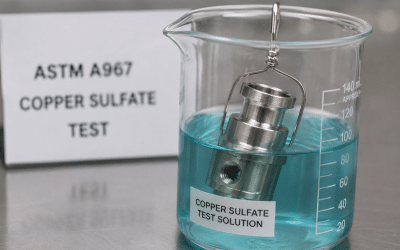
Passivation is only effective if it achieves its intended purpose—removing free iron contamination and restoring the stainless steel's natural passive layer. But how...
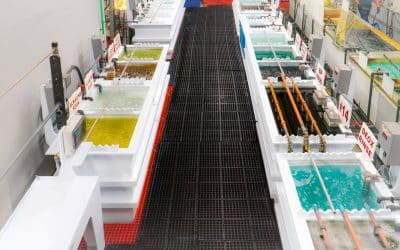
When discussing corrosion resistance in stainless steel, two finishing processes are often mentioned together: pickling and passivation. While both treatments improve...
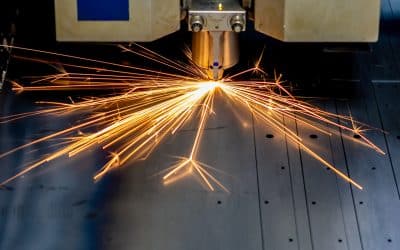
Laser cutting is one of the most efficient and precise methods for fabricating stainless steel components, but the process can leave behind more than just clean cut...
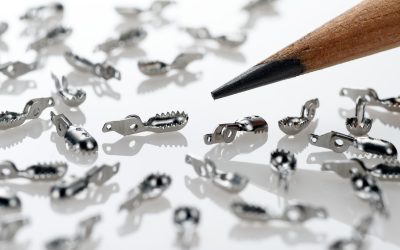
Yes—small precision machined parts can absolutely be passivated, and in many industries, it’s not just possible but essential for performance, reliability, and...

Yes—stainless steel can still rust after passivation, but it’s important to understand what passivation does (and doesn’t do) to know why. Passivation is a chemical...
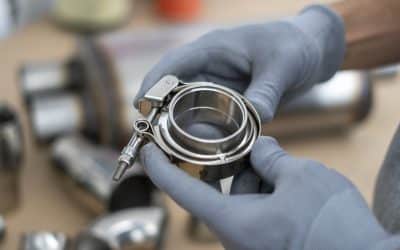
Stainless steel is known for its corrosion resistance, strength, and clean appearance—but manufacturing processes can compromise those benefits. A common question from...
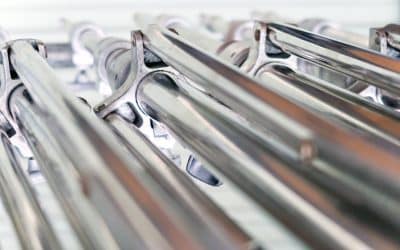
Stainless steel is widely chosen for its strength, durability, and corrosion resistance—but not all stainless steel performs the same in every environment. A common...
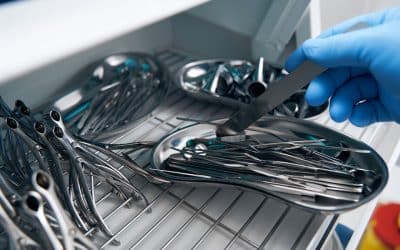
In precision manufacturing, even the smallest surface imperfection can create outsized problems. Burrs—those tiny raised edges or fragments of metal left behind after...
When engineers and manufacturers talk about stainless steel performance, the conversation often centers around alloy selection, mechanical strength, or surface...