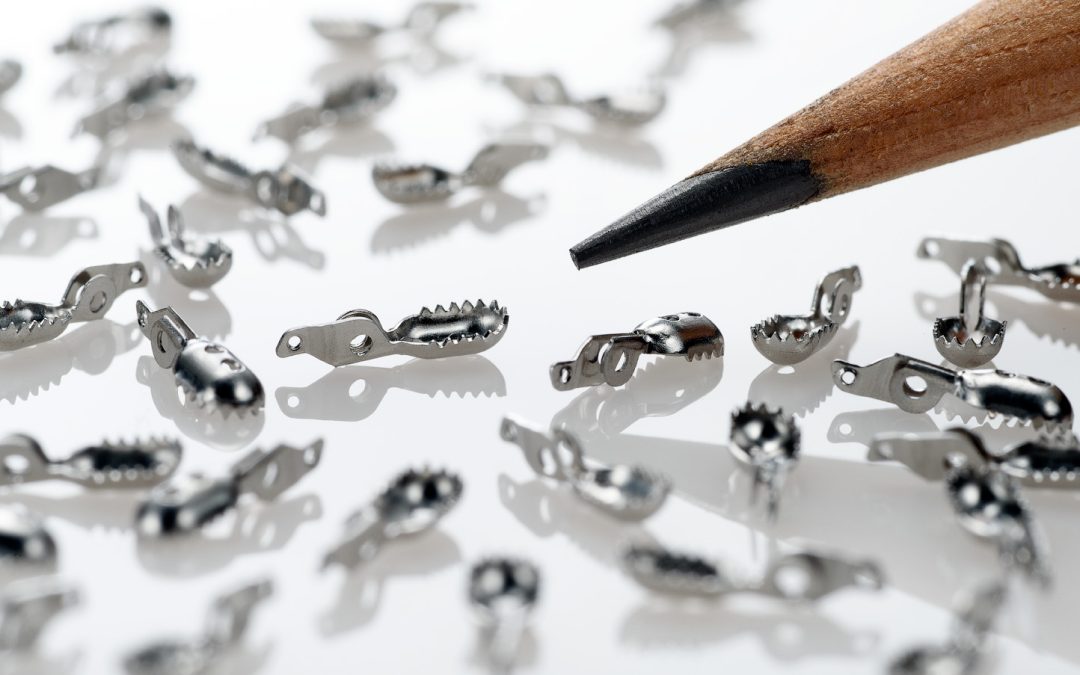
Deburring: Why Removing Micro-Burrs Is Critical to Part Performance In precision manufacturing, even the smallest surface imperfection can create outsized problems. Burrs—those tiny raised edges or fragments of metal left behind after machining, cutting, stamping, or...
Measuring the Microfinish: How to Quantify Surface Improvements from Electropolishing Electropolishing is well known for its ability to enhance corrosion resistance, cleanliness, and appearance in stainless steel parts—but how do you prove those improvements? Beyond...
Does Passivation Remove Material? One of the most common questions we hear at New England Electropolishing is: Does passivation remove material from stainless steel parts? The short answer is no—at least not in any measurable way. Passivation is a chemical treatment...
Corrosion-Resistant Stainless Steel Treatments Stainless steel is known for its natural corrosion resistance—but in many demanding environments, that’s not always enough. Whether you’re manufacturing components for medical, marine, aerospace, or food processing...
Why Machined Stainless Steel Needs Passivation Stainless steel is valued for its natural corrosion resistance—but machining can diminish that advantage. Processes like cutting, grinding, and turning can embed free iron into the surface or disturb the protective...
Our latest feature in Products Finishing highlights bulk electropolishing enhances corrosion resistance, biocompatibility, and performance for surgical jaws Precision and efficiency are critical in medical device manufacturing, especially for surgical instruments. Our...