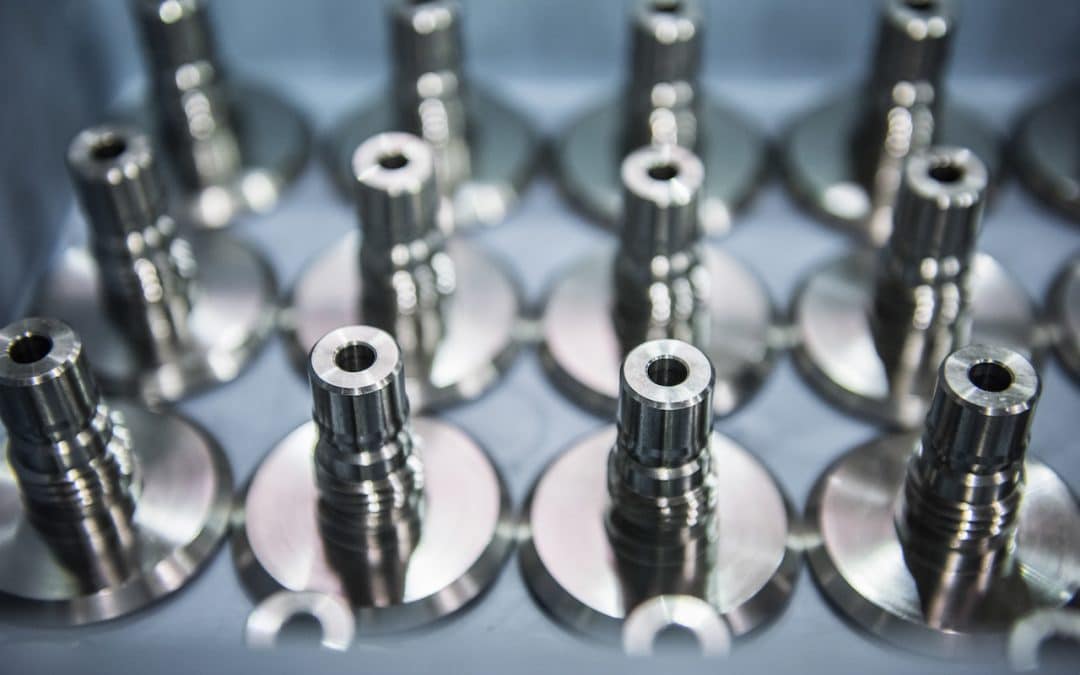
Citric Acid Passivation for Additive Manufacturing (3D-Printed Stainless Steel) Additive manufacturing, or 3D printing, has rapidly advanced from prototyping into full-scale production across industries like medical devices, aerospace, and high-performance...
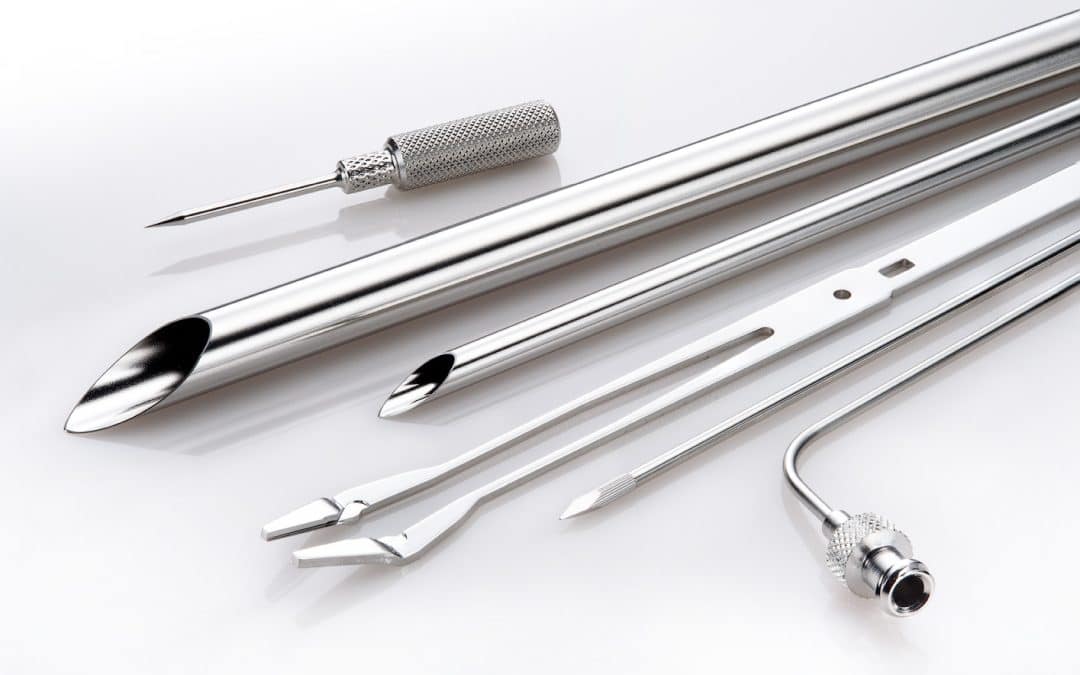
Does Passivation Remove Material? One of the most common questions we hear at New England Electropolishing is: Does passivation remove material from stainless steel parts? The short answer is no—at least not in any measurable way. Passivation is a chemical treatment...
Corrosion-Resistant Stainless Steel Treatments Stainless steel is known for its natural corrosion resistance—but in many demanding environments, that’s not always enough. Whether you’re manufacturing components for medical, marine, aerospace, or food processing...
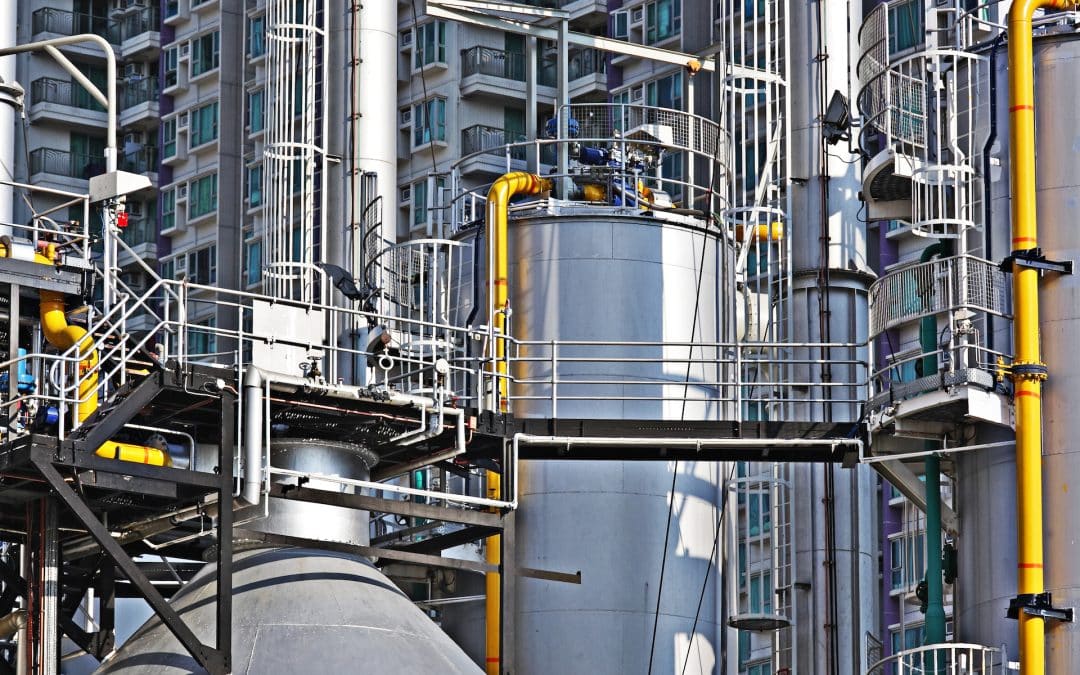
Protecting Chemical Processing Equipment with Citric Acid Passivation Why Surface Treatment Is Essential for Corrosion Resistance in Harsh Environments In the chemical processing industry, stainless steel is the material of choice for tanks, fittings, valves, sensors,...
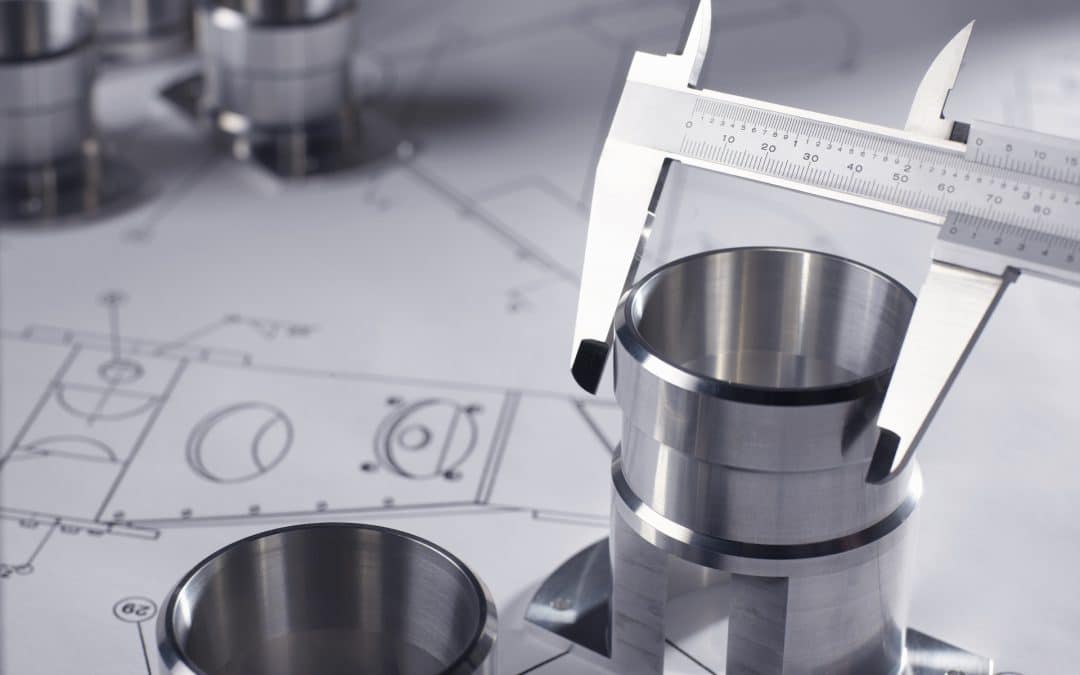
Why Machined Stainless Steel Needs Passivation Stainless steel is valued for its natural corrosion resistance—but machining can diminish that advantage. Processes like cutting, grinding, and turning can embed free iron into the surface or disturb the protective...
Stainless Steel Treatment After Welding: Methods, Comparisons, and Best Practices Welding is a critical step in the fabrication of stainless steel components, but it also introduces surface contaminants and microstructural changes that can compromise corrosion...