
Protecting Chemical Processing Equipment with Citric Acid Passivation
Why Surface Treatment Is Essential for Corrosion Resistance in Harsh Environments
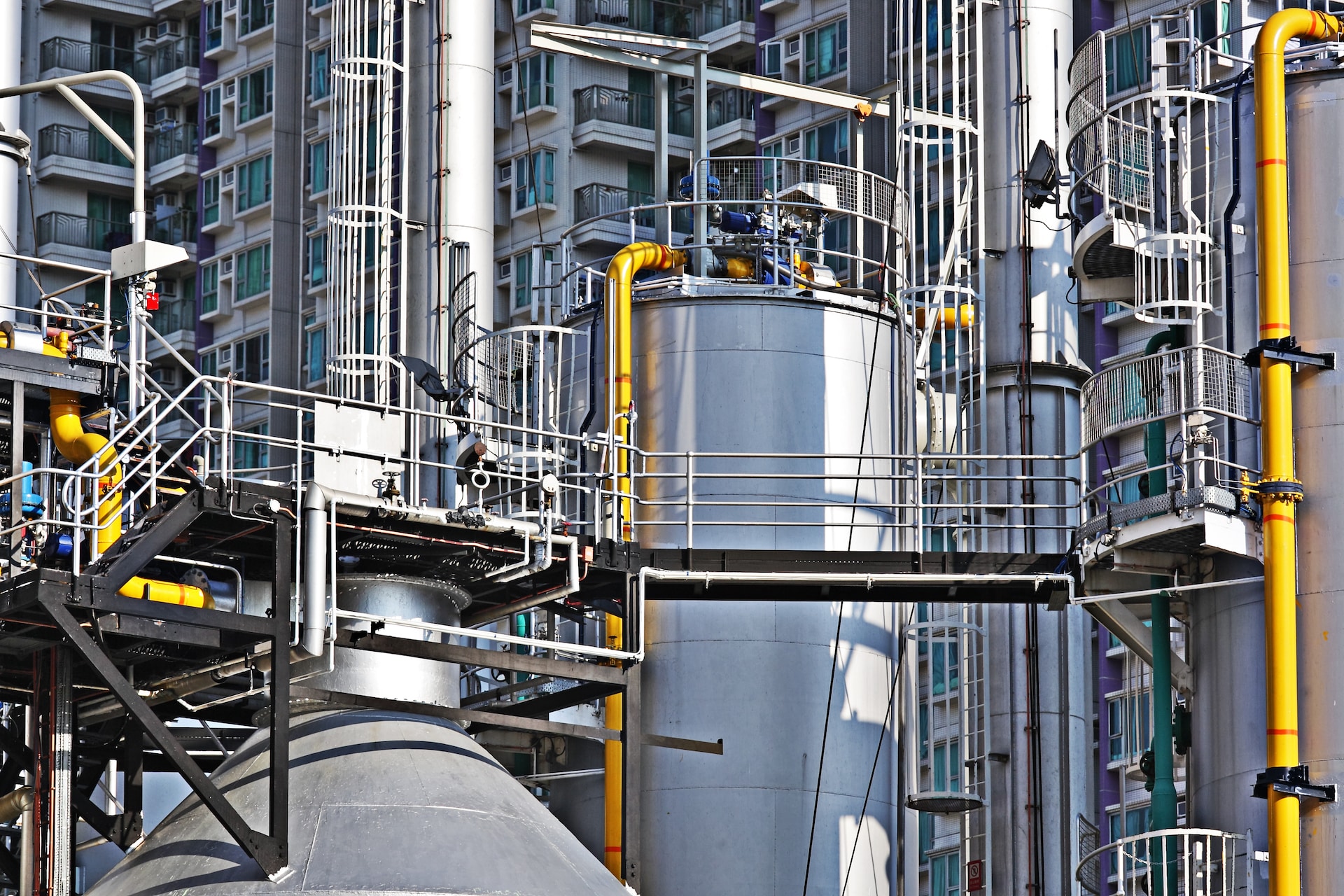
In the chemical processing industry, stainless steel is the material of choice for tanks, fittings, valves, sensors, and structural components. But exposure to aggressive substances—acids, solvents, caustics, and chlorides—can degrade even stainless steel over time.
To ensure these components perform reliably and resist corrosion, a critical surface treatment step is required: citric acid passivation.
Citric Acid Passivation for Chemical Processing Equipment
Citric acid passivation is a chemical treatment that removes free iron and surface contaminants from stainless steel without etching or damaging the metal itself. By thoroughly cleaning the surface and encouraging the formation of a stable chromium oxide layer, this process restores and enhances stainless steel’s natural corrosion resistance.
Unlike nitric acid-based passivation, citric acid passivation is safer for both the environment and workplace personnel. It’s non-toxic, biodegradable, and effective across a wide range of stainless steel alloys used in chemical processing.
Why It’s Ideal for Chemical Processing Components
In chemical processing environments, small imperfections or contamination on stainless steel surfaces can lead to corrosion, equipment failure, or product contamination. Citric acid passivation addresses these risks by:
-
Eliminating free iron and other contaminants that can trigger corrosion
-
Restoring a uniform passive film to protect against pitting and crevice corrosion
-
Enhancing long-term durability in exposure to aggressive chemicals
-
Complying with ASTM A967 and other industry standards
It’s especially beneficial for components like:
-
Load cells and sensors exposed to solvents and acids
-
Tanks, piping, and process vessels in continuous contact with corrosive fluids
-
Valves, fittings, and gaskets that must maintain integrity under pressure
-
Instrumentation used in subsea, pharmaceutical, or specialty chemical settings
A Safer, More Sustainable Approach
Compared to traditional nitric acid treatments, citric acid passivation offers a more sustainable solution without compromising performance:
-
No hazardous fumes
-
Lower disposal costs
-
Easier compliance with environmental and safety regulations
-
Excellent results across a variety of stainless steel grades
Final Thoughts
When the performance of your chemical processing equipment depends on corrosion resistance, citric acid passivation is a smart, effective finishing solution. It not only improves surface integrity but also helps protect your investment for the long term.
At New England Electropolishing, we specialize in high-purity citric acid passivation of stainless steel for mission-critical components in the most demanding environments.
Passivation Resources
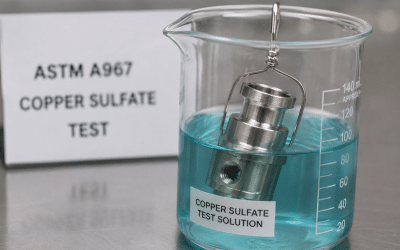
Passivation is only effective if it achieves its intended purpose—removing free iron contamination and restoring the stainless steel's natural passive layer. But how...
When discussing corrosion resistance in stainless steel, two finishing processes are often mentioned together: pickling and passivation. While both treatments improve...
Laser cutting is one of the most efficient and precise methods for fabricating stainless steel components, but the process can leave behind more than just clean cut...
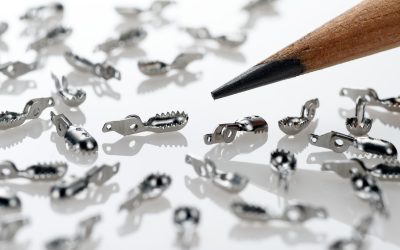
Yes—small precision machined parts can absolutely be passivated, and in many industries, it’s not just possible but essential for performance, reliability, and...

Yes—stainless steel can still rust after passivation, but it’s important to understand what passivation does (and doesn’t do) to know why. Passivation is a chemical...
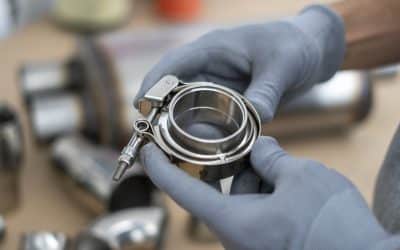
Stainless steel is known for its corrosion resistance, strength, and clean appearance—but manufacturing processes can compromise those benefits. A common question from...
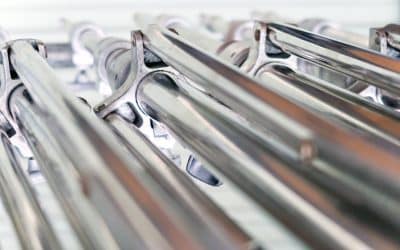
Stainless steel is widely chosen for its strength, durability, and corrosion resistance—but not all stainless steel performs the same in every environment. A common...
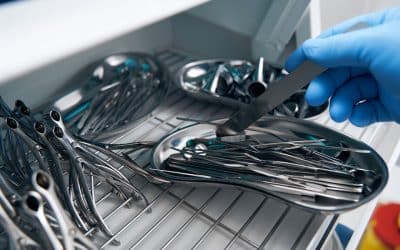
In precision manufacturing, even the smallest surface imperfection can create outsized problems. Burrs—those tiny raised edges or fragments of metal left behind after...
When engineers and manufacturers talk about stainless steel performance, the conversation often centers around alloy selection, mechanical strength, or surface...