
Passivation
What is passivation?
Passivation is a surface treatment process used to improve the chemical stability and corrosion resistance of metal components. Rather than adding a coating or changing part geometry, passivation works by removing surface contaminants and promoting the formation of a stable, protective surface layer. This process is widely used across industries where durability, cleanliness, and long-term performance are critical.
Passivation: Enhancing Surface Stability and Corrosion Resistance
Passivation is a chemical treatment that reduces a metal’s tendency to react with its environment. The process removes reactive surface contaminants—such as free iron, machining residues, or embedded particles—and encourages the formation of a thin, protective surface film that resists oxidation and corrosion.
Unlike coatings, paints, or platings, passivation does not create a separate layer on top of the metal. Instead, it improves the metal’s existing surface chemistry, allowing it to naturally resist degradation when exposed to air, moisture, chemicals, or other corrosive conditions.
Why Passivation Is Used
During fabrication, metals are exposed to cutting tools, welding heat, handling, and environmental contaminants. These interactions can leave behind residues or disrupted surface chemistry that increases corrosion risk.
Passivation is used to:
-
Improve corrosion resistance
-
Stabilize surface chemistry
-
Reduce surface reactivity
-
Improve long-term durability
-
Support cleanliness and hygiene requirements
In many applications, passivation is essential for achieving reliable performance over time.
Materials That Can Be Passivated
Passivation is most commonly associated with corrosion-resistant alloys, but it is not limited to a single material type. Depending on chemistry and process control, passivation may be applied to:
-
Other corrosion-resistant metals
Each material requires specific chemistries and process parameters to achieve optimal results.
Passivation vs. Other Surface Treatments
Passivation is often compared to other finishing processes, but it serves a distinct role.
Chemical Passivation focuses on chemical cleanliness and surface stability without changing dimensions or surface finish. Common treatments include citric acid passivation and nitric acid passivation.
Electropolishing removes a controlled amount of surface material, improving smoothness and corrosion resistance simultaneously.
Coatings and platings add a physical barrier on top of the metal but may alter dimensions or wear over time.
In many cases, passivation is used alone or in combination with other treatments depending on performance requirements.
Industries That Rely on Passivation
Passivation is widely used in industries where corrosion resistance, cleanliness, and reliability are essential, including:
-
Pharmaceutical and bioprocessing
-
Industrial manufacturing and energy
In these environments, surface chemistry can directly affect safety, performance, and compliance.
The Importance of Proper Process Control
Effective passivation depends on more than just chemistry. Factors such as surface preparation, solution concentration, temperature, time, and rinsing procedures all play a critical role in achieving consistent results.
Improper passivation can leave contaminants behind or create uneven surface conditions, reducing corrosion resistance rather than improving it.
Passivation Services at New England Electropolishing
New England Electropolishing provides controlled passivation services as part of a comprehensive approach to metal surface finishing. Our processes are designed to support a wide range of materials, applications, and industry requirements, with a focus on repeatability, cleanliness, and performance.
Whether passivation is required as a standalone service or integrated with electropolishing, our team works closely with customers to ensure each component meets its functional and environmental demands.
Passivation Resources
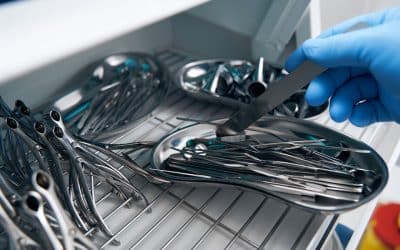
Deburring: Why Removing Micro-Burrs Is Critical to Part Performance
In precision manufacturing, even the smallest surface imperfection can...
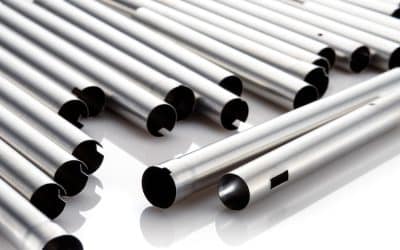
The Hidden Variable in Stainless Steel Performance: Surface Chemistry Stability Through Passivation
When engineers and manufacturers talk about stainless steel performance,...
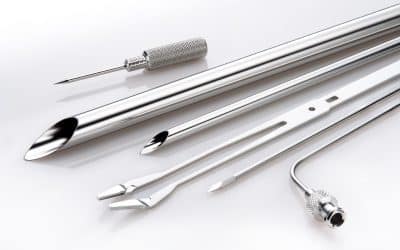
Medical Device Passivation: Vital for Safety, Compliance, and Longevity
In medical manufacturing, stainless steel isn’t just chosen for...
Stainless Steel Passivation in Extreme Environments: Offshore, Aerospace, and Cleanroom Applications
Stainless steel is chosen for demanding applications because of its...
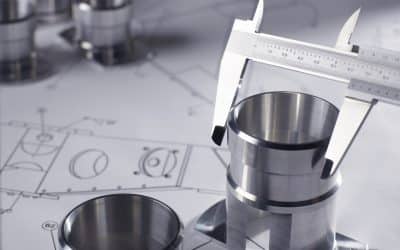
Citric Acid Passivation for Additive Manufacturing (3D-Printed Stainless Steel)
Additive manufacturing, or 3D printing, has rapidly advanced from...
Does Passivation Remove Material?
One of the most common questions we hear at New England Electropolishing...

Corrosion-Resistant Stainless Steel Treatments
Stainless steel is known for its natural corrosion resistance—but in many...
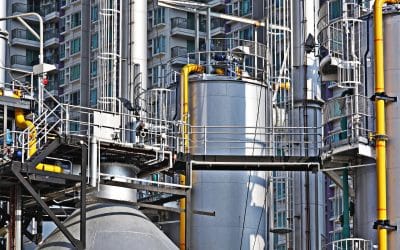
Protecting Chemical Processing Equipment with Citric Acid Passivation
Why Surface Treatment Is Essential for Corrosion Resistance in Harsh...
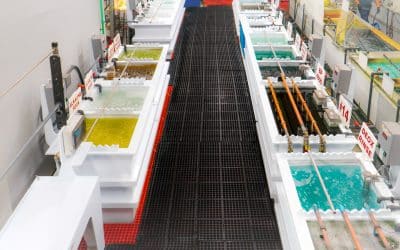
Why Machined Stainless Steel Needs Passivation
Stainless steel is valued for its natural corrosion resistance—but...