
Citric Acid Passivation
Citric acid passivation is a proven method for improving the corrosion resistance of stainless steel. By removing free iron and other surface contaminants, this process promotes the natural formation of a protective chromium oxide layer. Unlike nitric acid passivation, citric acid is a biodegradable, non-toxic alternative that delivers comparable results without the environmental and health hazards. The following post is a thorough guide to the passivation of stainless steel with citric acid.
What is Citric Acid Passivation?
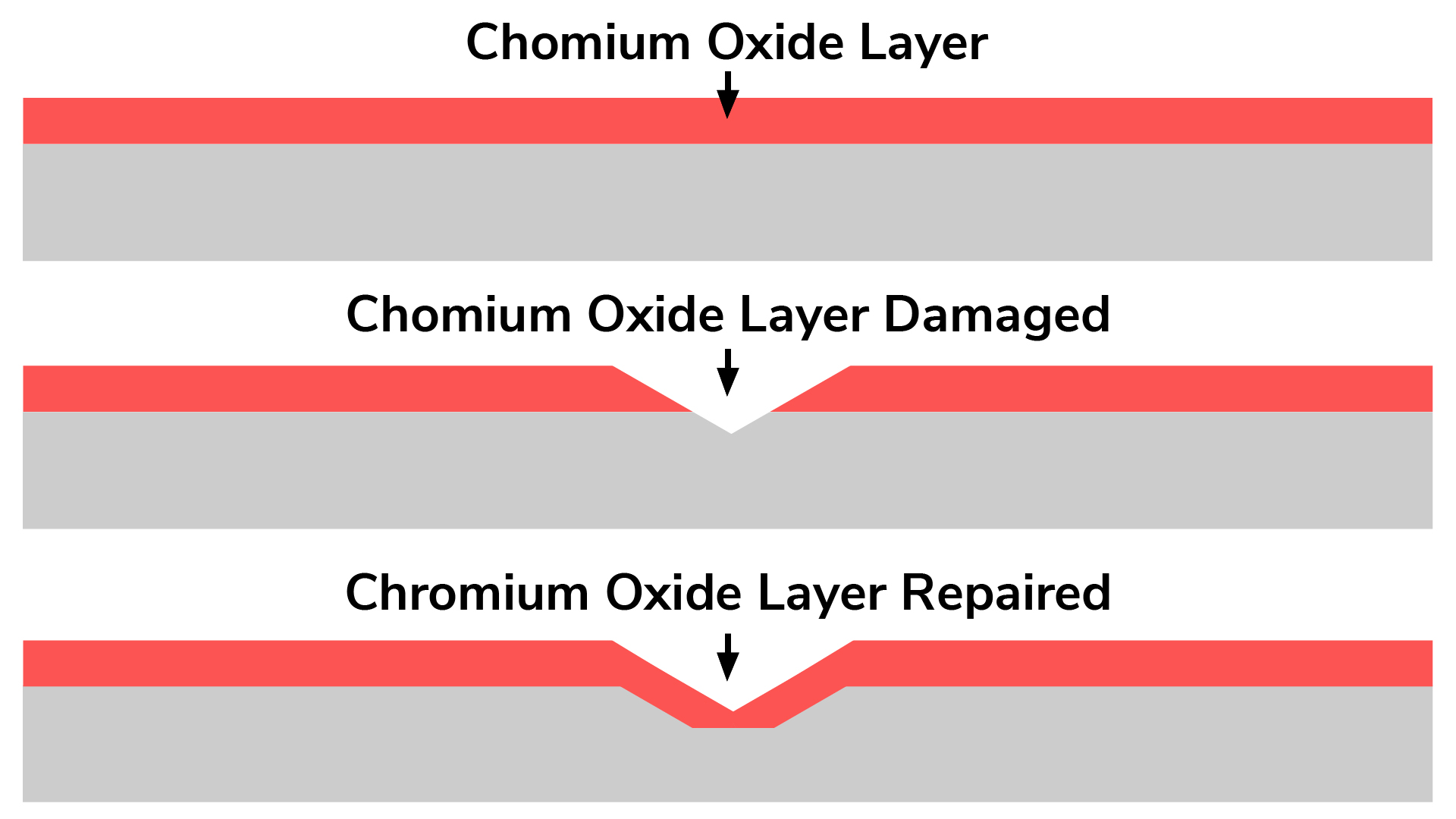
What is passivation? Contaminants left behind from the manufacturing process inhibit the formation of the oxide layer that forms on the outside layer of metals and protects metals like stainless steel from corrosion. Although stainless steel is inherently passive, these impurities left behind combine with the metal resulting in a corrosive reaction.
Manufacturers in industries that require a high level of cleanliness such as medical, aerospace, laboratory, and food manufacturing often rely on chemical passivation to improve performance, durability, and corrosion resistance.
Why Choose Citric Acid Passivation for Stainless Steel?
Citric Acid Passivation has become more widely accepted by industries such as medical and aerospace in recent years. It offers an effective alternative to nitric acid passivation with less handling concerns and is considered environmentally friendly being on the GRAS (Generally Recognized as Safe) list for the FDA making it ideal for both the medical and food manufacturing industries.
Additionally, citric solutions can effectively passivate a wider range of stainless-steel alloys compared to traditional nitric acid methods such as Nitric 2.
Citric Acid Passivation Benefits:
-
Environmentally Friendly
Citric acid is a safe, biodegradable alternative to nitric acid. It reduces exposure risks for workers and minimizes environmental impact, making it a more sustainable finishing option. -
Highly Effective
Despite being less aggressive than nitric acid, citric acid efficiently removes free iron and surface contaminants, supporting the spontaneous regeneration of stainless steel’s passive layer. -
Versatile Application
This method is suitable for a wide variety of stainless steel alloys and can be applied to machined parts, welded assemblies, and various surface finishes. -
Cost-Effective
With fewer hazardous waste disposal requirements and lower handling risks, citric acid passivation can reduce overall processing and compliance costs.
Key Considerations for Optimal Results
-
Precise Control of Temperature and Concentration
One of the imortant factors for passivating stainless steel with citric acid is maintaining consistent solution temperature and acid concentration is critical to ensure uniform passivation results. -
Contact Time Matters
Immersion time may need to be adjusted based on the alloy, part geometry, and bath temperature to ensure full contaminant removal. -
Thorough Rinsing and Drying
Inadequate rinsing or drying can leave residues or spots that compromise the protective layer. Careful handling after passivation is key. -
Process Validation
While ASTM A967 outlines the standard methods for passivation validation, additional testing—such as salt spray testing per ASTM B117—can be used to assess corrosion resistance and ensure compliance with quality standards.
Citric Acid Passivation Industry Standards
Most manufacturers’ standards meet two primary industry standards for citric acid passivation as set forth by ASTM International. ASTM International is a widely recognized and reputable standards organization charged with developing and publishing voluntary consensus technical data and standards for use in a wide range of materials and products. ASTM has two widely accepted standards, ASTM A967 and AMS 2700. New England Electropolishing’s processes adhere to the ASTM A967 Citric 3 standard.
The Passivation of Stainless Steel with Citric Acid
Discover the advanced technique of passivating stainless steel with citric acid, a method gaining popularity for its effectiveness in enhancing the corrosion resistance and surface quality of stainless steel components.
Citric acid passivation is a modern and eco-friendly alternative to traditional methods such as nitric acid passivation. It involves the use of citric acid solutions to remove free iron and other contaminants from the surface of stainless steel. This process promotes the formation of a passive oxide layer, significantly improving the steel’s resistance to corrosion.
Safety: Citric acid presents fewer safety hazards compared to other passivation methods, making it a preferred choice for many industries.
Compliance: It meets stringent regulatory requirements and industry standards while delivering outstanding results in surface treatment.
Partnering with Experts in Citric Acid Passivation
At New England Electropolishing, we specialize in the application of citric acid passivation techniques, ensuring your stainless steel components meet the highest standards of durability and quality. Our expertise and commitment to excellence guarantee optimal performance and reliability in every application.
If you have any further questions about Citric Acid Passivation or stainless steel passivation through electropolishing and whether it is right for your stainless-steel passivation needs, please contact us today and we would be happy to speak with you.
To learn more about how electropolishing can passivate, improve surface finish, and enhance the aesthetics of stainless steel, please click here.
The Citric Acid Passivation Process
This video walks through the citric acid passivation process step by step — from incoming part inspection and pre-cleaning through immersion in the citric acid bath, rinsing, and final quality verification. See how NEE’s controlled, validated process consistently delivers the clean, contaminant-free, chromium-rich surface that medical device, pharmaceutical, and precision manufacturing customers depend on — every part, every time.
Step 1: Pre-Cleaning: Prior to the passivation process, stainless steel parts are subjected to an extensive pre-cleaning cycle to remove oils, grease, and metallic residues. The degreasing and cleaning of stainless-steel parts can be accomplished by a variety of commonly accepted methods, including acid pickle and an alkaline soak followed by a water rinse.
Step 2: Citric Acid Immersion: Once cleaned, parts are submerged in a citric acid solution—typically at a concentration between 4–10% and a temperature range of 70–140°F (20–60°C). The immersion time can vary between 20–60 minutes, depending on the temperature and specific material.
Step 3: Rinsing & Drying: After immersion, parts are rinsed with clean water to remove all residual acid and then dried completely. Proper drying is essential to prevent water spots and ensure that the passivation layer develops uniformly.
Step 4: Quality Testing & Inspection: To ensure the results of passivating stainless steel with citric acid sample parts are tested to ensure they meet customer qualifications before being packaged for shipping.
Graphic Showing How Citric Acid Passivation Restores the Chromium Oxide Layer
Partnering with Experts in Citric Acid Passivation
At New England Electropolishing, we specialize in the application of citric acid passivation techniques, ensuring your stainless steel components meet the highest standards of durability and quality. Our expertise and commitment to excellence guarantee optimal performance and reliability in every application.
If you have any further questions about Citric Acid Passivation or stainless steel passivation through electropolishing and whether it is right for your stainless-steel passivation needs, please contact us today and we would be happy to speak with you.
To learn more about how electropolishing can passivate, improve surface finish, and enhance the aesthetics of stainless steel, please click here.
Contact us for Your Citric Acid Passivation Needs
Contact us today to see if citric acid passivation is the right method for your passivation needs. We are happy to provide a free estimate and even a free sample part passivated and shipped back to you at no cost.
Citric Acid Passivation Resources
Passivation is only effective if it achieves its intended purpose—removing free iron contamination and restoring the stainless steel's natural passive layer. But how...
When discussing corrosion resistance in stainless steel, two finishing processes are often mentioned together: pickling and passivation. While both treatments improve...
Laser cutting is one of the most efficient and precise methods for fabricating stainless steel components, but the process can leave behind more than just clean cut...
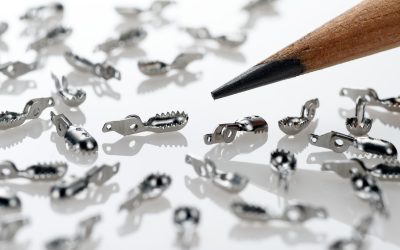
Yes—small precision machined parts can absolutely be passivated, and in many industries, it’s not just possible but essential for performance, reliability, and...

Yes—stainless steel can still rust after passivation, but it’s important to understand what passivation does (and doesn’t do) to know why. Passivation is a chemical...
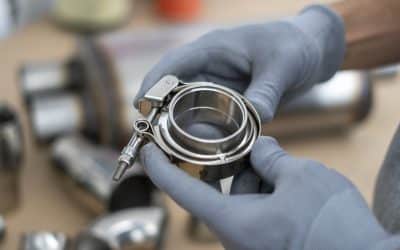
Stainless steel is known for its corrosion resistance, strength, and clean appearance—but manufacturing processes can compromise those benefits. A common question from...
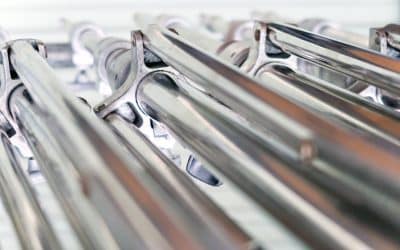
Stainless steel is widely chosen for its strength, durability, and corrosion resistance—but not all stainless steel performs the same in every environment. A common...
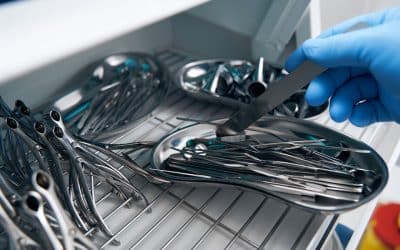
In precision manufacturing, even the smallest surface imperfection can create outsized problems. Burrs—those tiny raised edges or fragments of metal left behind after...
When engineers and manufacturers talk about stainless steel performance, the conversation often centers around alloy selection, mechanical strength, or surface...