
Case Study: Laser Slag Removal for Stainless Steel Tubes
A medical device manufacturer approached New England Electropolishing with a challenging finishing requirement involving laser-cut stainless steel tubing. The components featured intricate geometry and required a highly clean, consistent interior surface for subsequent electropolishing and passivation.
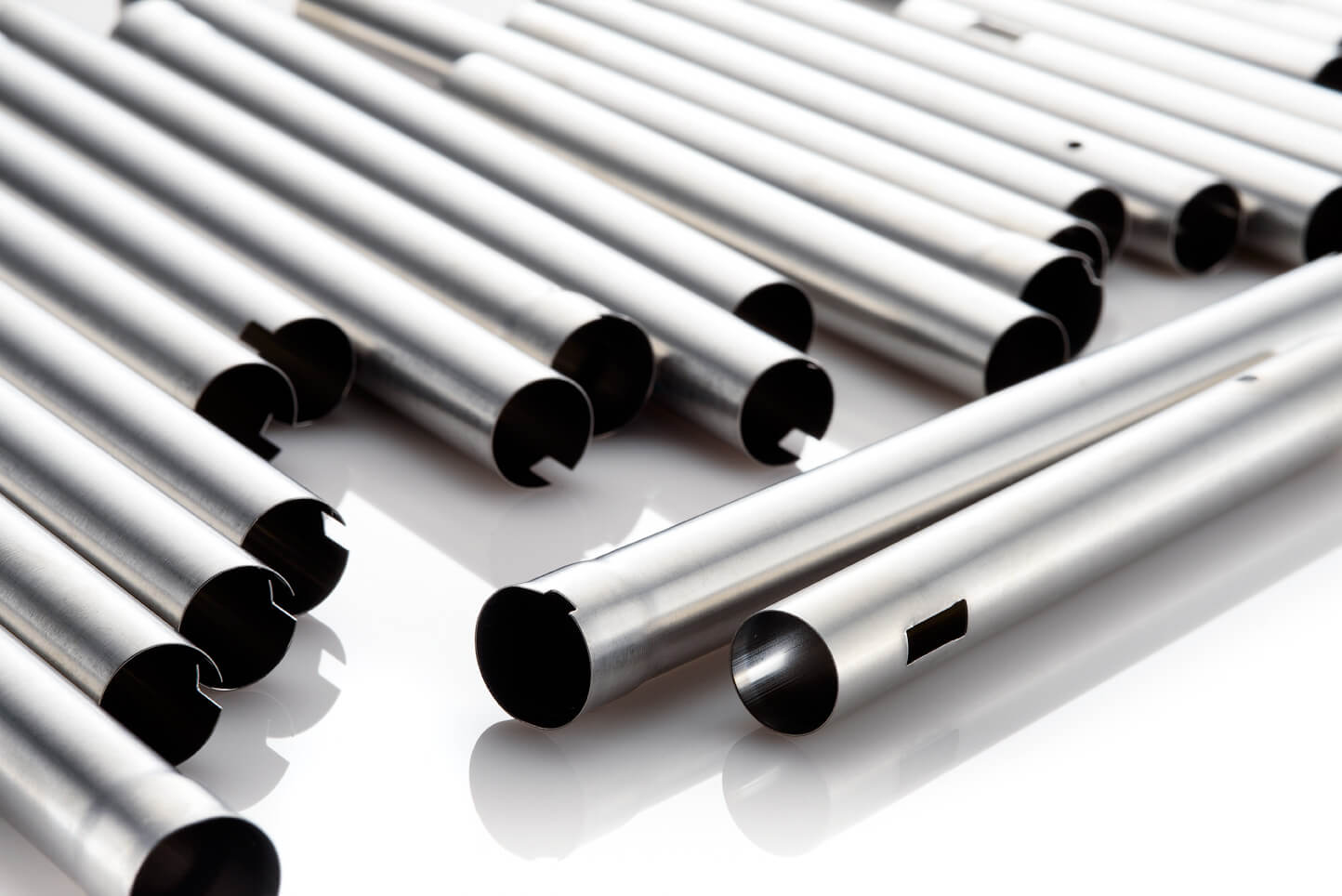
Preparing Laser-Cut Tubing for Critical Medical Device Applications
The laser cutting process had left a visible ring of slag, dross, and heat-affected residue along the interior edges of the tubes. Because the contamination was concentrated inside the tubing, conventional surface cleaning methods were not sufficient. If left in place, the residue could interfere with downstream finishing, affect surface quality, and create concerns regarding the cleanliness and corrosion resistance of the finished components.
Developing a Process for Difficult-to-Reach Areas
Rather than relying on a single finishing process, the NEE team evaluated the geometry and condition of the tubing and developed a multi-step surface preparation and finishing process specifically suited to the application.
The process included:
1. Specialized Slag Removal
A custom abrasive cleaning method was developed to mechanically remove the laser slag and heat-affected residue from the interior edges without compromising the dimensional integrity of the tubing.
2. Precision Cleaning, Rinsing & Drying
Following slag removal, the components underwent controlled cleaning, rinsing, and drying to remove remaining particulate and processing residues while minimizing the potential for water spots or additional contamination.
3. Electropolishing
Once the laser-related contamination had been removed, the components were processed through electropolishing. This helped smooth and refine the stainless steel surface while improving its cleanliness and corrosion resistance.
4. Citric Acid Passivation
The final step was citric acid passivation, helping remove residual free iron and other contaminants while promoting the formation of the stainless steel’s protective passive oxide layer.
The Result
The finished components emerged with a clean, smooth, slag-free interior surface that was ready for use in a demanding medical manufacturing environment.
The combination of targeted laser slag removal, electropolishing, and citric acid passivation provided the manufacturer with a repeatable finishing process capable of addressing contamination that could not have been effectively resolved through electropolishing alone.
The components successfully met the customer’s cleanliness, surface-finish, and performance requirements and passed the required validation testing for use in cleanroom manufacturing.
Why the Right Pre-Treatment Matters
This project demonstrates why laser-cut stainless steel components don’t always benefit from a one-process approach. Laser slag, dross, oxides, and heat-affected material can require targeted removal before electropolishing or passivation can deliver the desired result.
By evaluating the component’s material, geometry, cutting condition, and final application, New England Electropolishing can develop a finishing sequence that addresses the specific challenges of the part—from laser slag removal and surface preparation through electropolishing and passivation.
Have a challenging laser-cut stainless steel component? Contact New England Electropolishing to discuss your application and determine the right finishing process.
Laser Slag Removal Resources
A medical device manufacturer approached New England Electropolishing with a challenging application involving laser-cut stainless steel stents. The intricate geometry...
Laser cutting can produce precise stainless steel components with complex geometries, but it can also create a secondary finishing challenge. Depending on alloy,...
A medical device manufacturer approached New England Electropolishing with a challenging finishing requirement involving laser-cut stainless steel tubing. The...
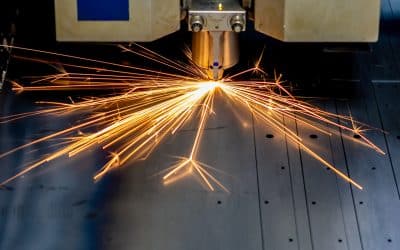
Laser cutting is one of the most efficient and precise methods for fabricating stainless steel components, but the process can leave behind more than just clean cut...
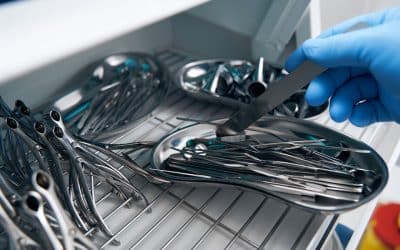
In precision manufacturing, even the smallest surface imperfection can create outsized problems. Burrs—those tiny raised edges or fragments of metal left behind after...
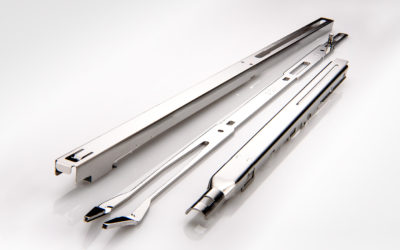
Laser Slag Removal for Medical Parts Electropolishing is an electro-chemical process that can help to remove "laser slag" - a heat affected zone left behind from the...