
Laser Slag & Dross Removal for Stainless Steel Components
Laser cutting can produce precise stainless steel components with complex geometries, but it can also create a secondary finishing challenge.
Depending on alloy, thickness, laser parameters and geometry, components can exhibit dross, slag, oxides, heat-affected material and other surface contamination.
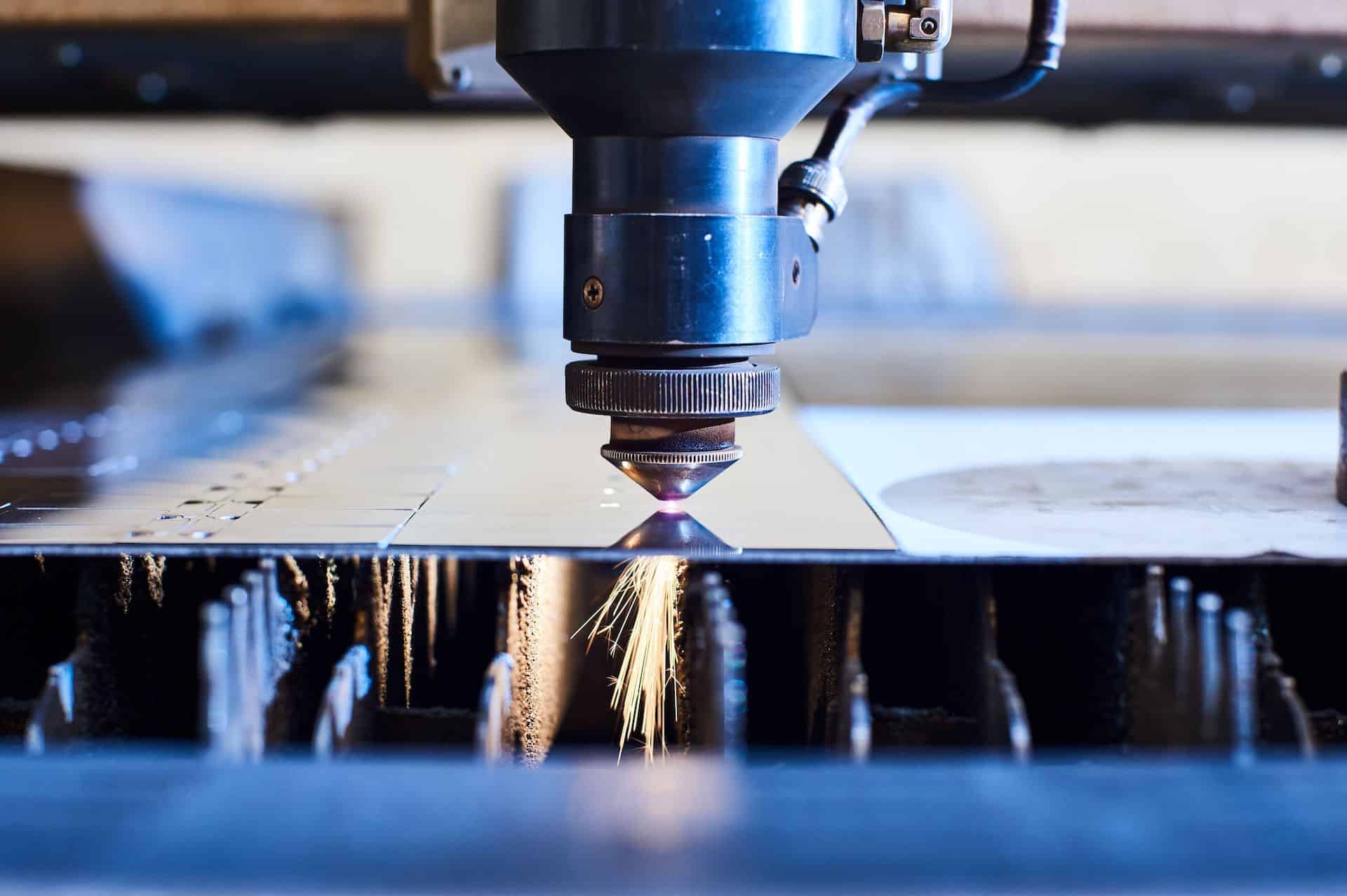
Laser Slag & Dross Removal: Why One Process Doesn’t Always Solve the Problem
Electropolishing can be effective for many laser-cut stainless components, but heavy or tenacious laser-related material isn’t necessarily an electropolishing-only problem.
NEE evaluates the material, geometry, surface condition and desired result to determine which process—or combination of processes—is appropriate.
Multiple Tools. One Objective.
Acid Pickling
Can attack oxides and certain laser-related surface contamination.
Electrocleaning
Provides another method of cleaning and surface preparation.
Ultrasonic Cleaning
Provides additional cleaning capability in small openings, slots and complex geometries.
Electropolishing
Can remove surface material while improving surface smoothness and overall condition.
Before & After: Actual NEE Processing Examples
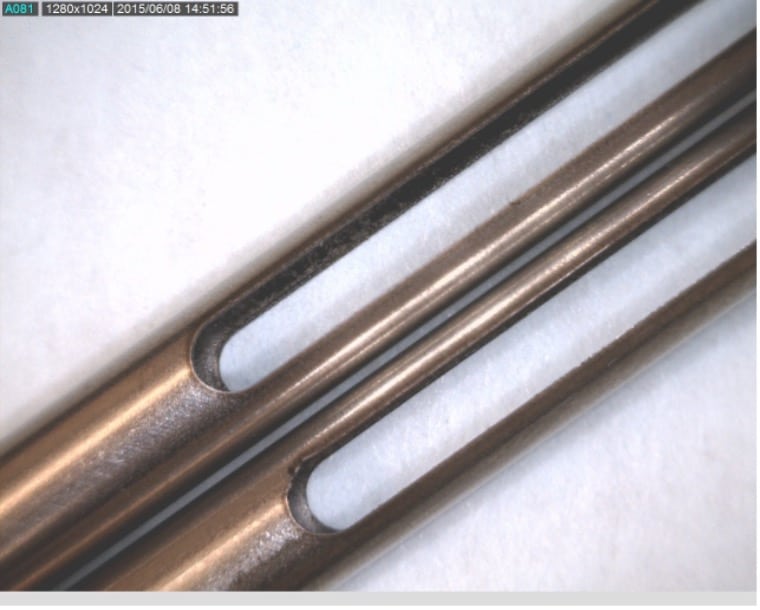
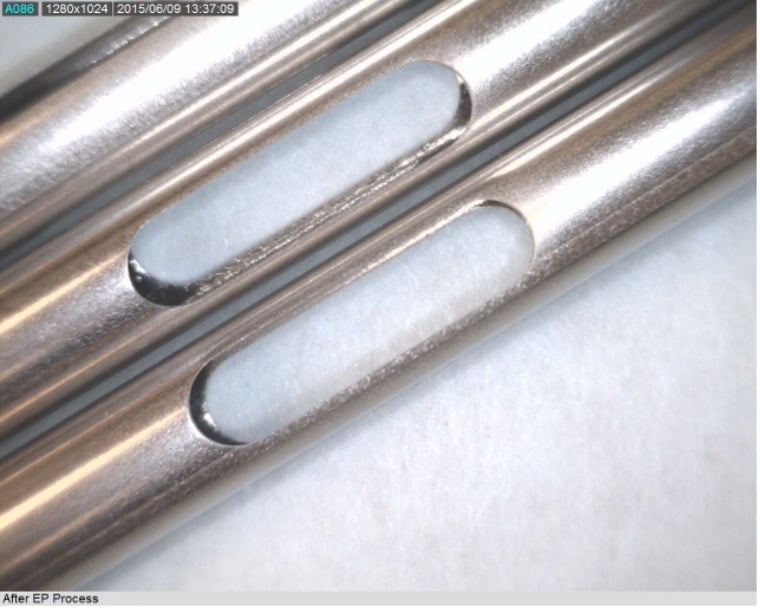
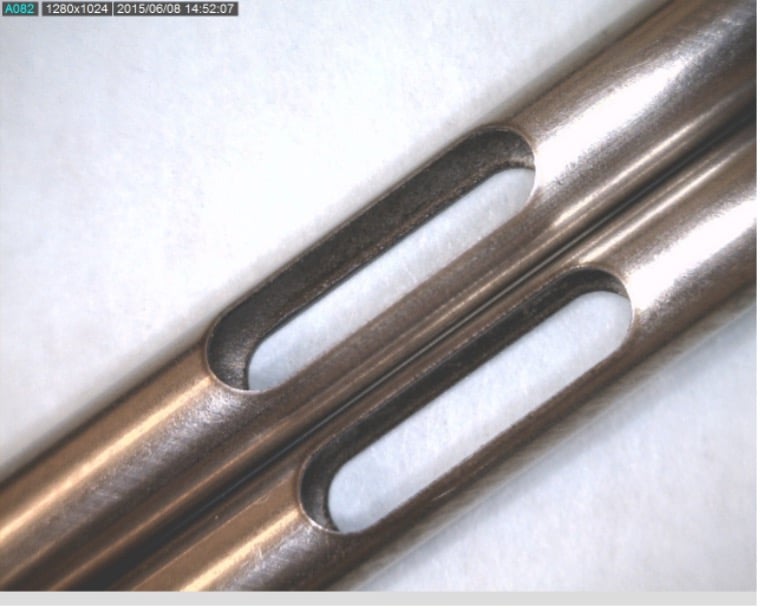
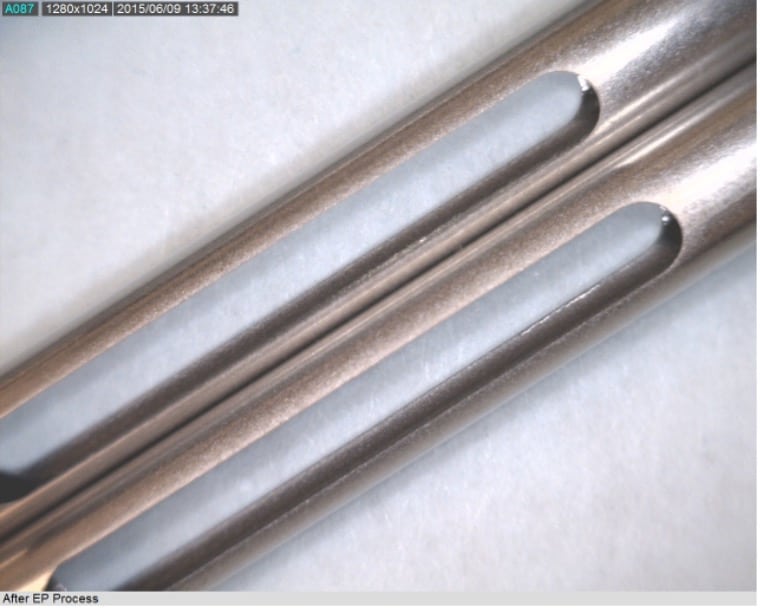
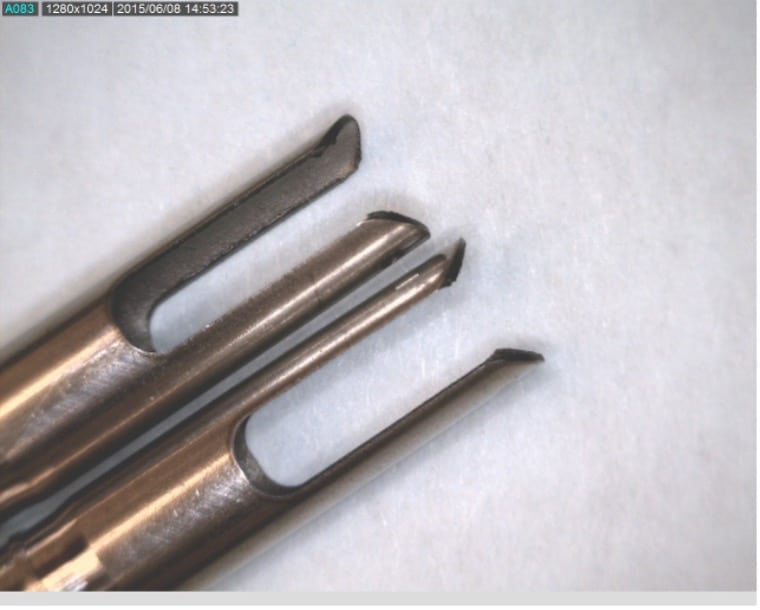
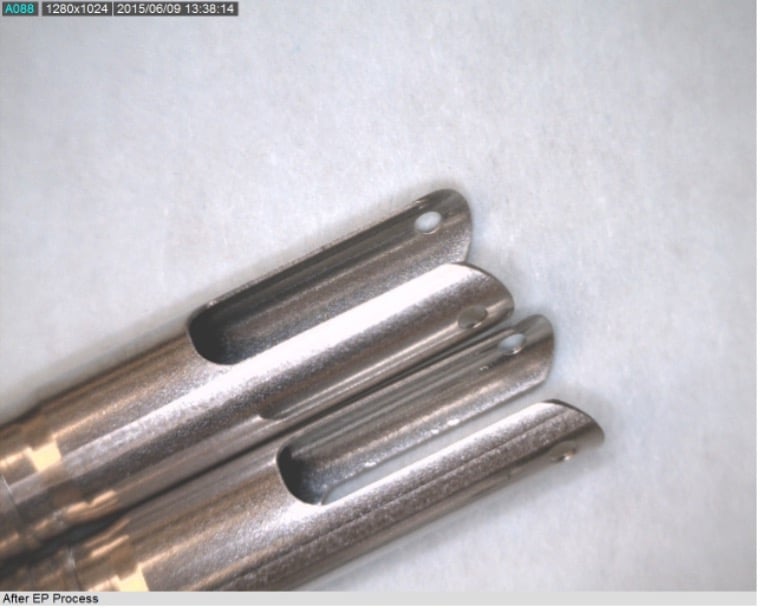
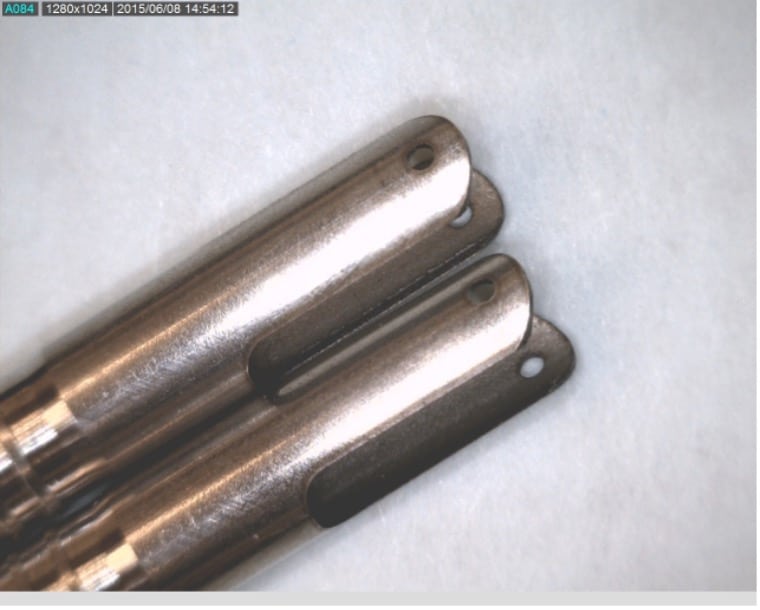
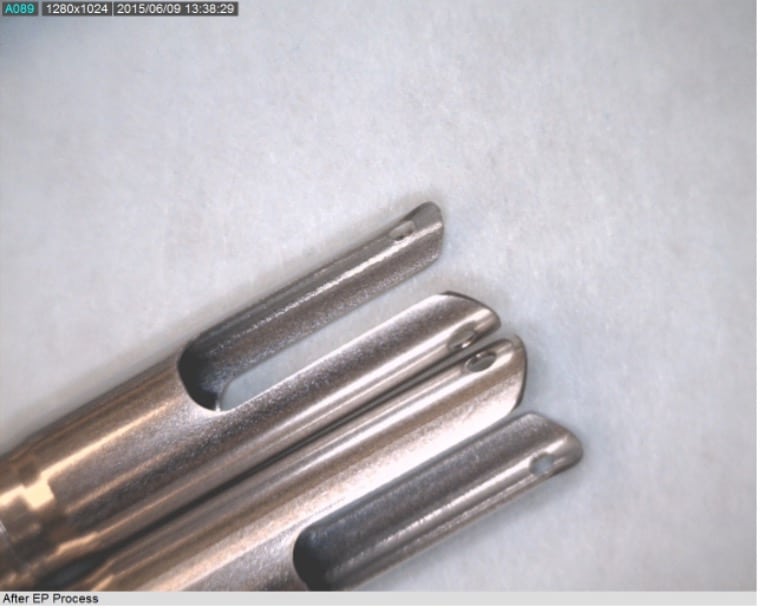
The examples above show actual NEE processing work. Final results depend on the material, geometry and starting condition.
Multi-Process Stent Example
Raw condition followed by acid pickling, electrocleaning and electropolishing.
RAW
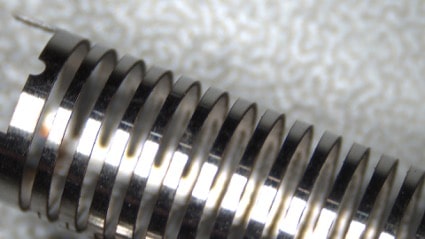
ACID PICKLING
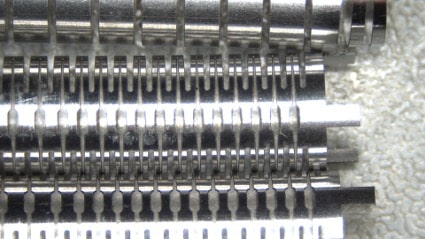
ELECTROCLEAN
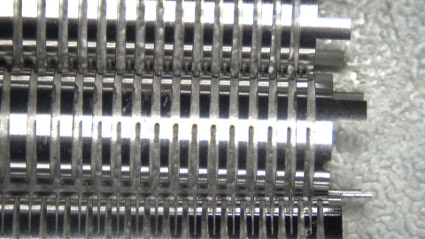
ELECTROPOLISH
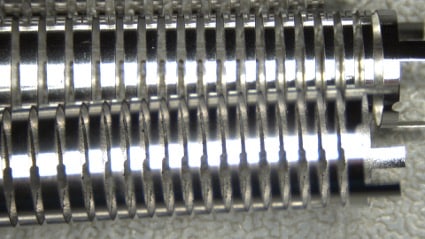
Complex Geometry Makes the Problem More Challenging
Small slots, holes, channels and closely spaced features can make conventional mechanical finishing difficult or impractical. Process selection becomes especially important when unwanted material must be removed without compromising critical geometry or dimensions.
Don’t Start With the Process. Start With the Problem.
The better question isn’t simply, “Do you want electropolishing?” It is: “What are you trying to accomplish?” NEE can evaluate whether acid pickling, electrocleaning, ultrasonics, electropolishing or a combination makes sense.
More Processes. More Options. One Goal: Get the Surface Right.
If you’re dealing with a laser-cut stainless component with persistent slag, dross, oxides or other surface contamination, send us a sample. Or learn more about our laser slag removal services.
Laser Slag Removal Resources
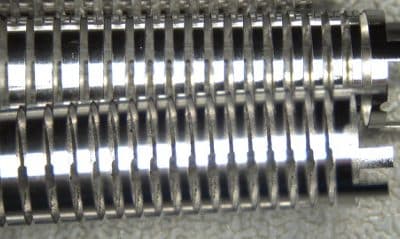
A medical device manufacturer approached New England Electropolishing with a challenging application involving laser-cut stainless steel stents. The intricate geometry...
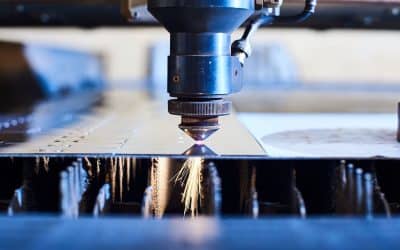
Laser cutting can produce precise stainless steel components with complex geometries, but it can also create a secondary finishing challenge. Depending on alloy,...
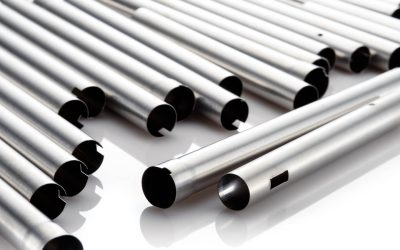
A medical device manufacturer approached New England Electropolishing with a challenging finishing requirement involving laser-cut stainless steel tubing. The...
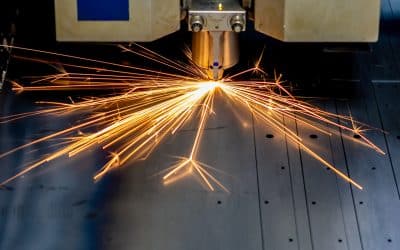
Laser cutting is one of the most efficient and precise methods for fabricating stainless steel components, but the process can leave behind more than just clean cut...
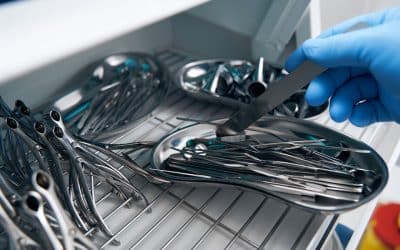
In precision manufacturing, even the smallest surface imperfection can create outsized problems. Burrs—those tiny raised edges or fragments of metal left behind after...
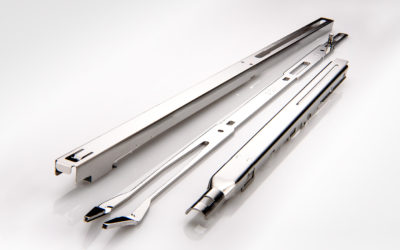
Laser Slag Removal for Medical Parts Electropolishing is an electro-chemical process that can help to remove "laser slag" - a heat affected zone left behind from the...