
Laser Slag Removal
Laser cutting is an essential manufacturing process for creating precise stainless steel parts, but it often leaves behind a common byproduct—laser slag. This residue, also known as dross, consists of re-solidified metal that clings to the surface or edges of parts after laser cutting. If not properly removed, laser slag can interfere with downstream processes like passivation, electropolishing, welding, or cleanroom assembly.
How Laser Slag Removal Improves Surface Finish and Corrosion Resistance
At New England Electropolishing, we specialize in laser slag removal for stainless steel components, particularly those used in high-purity industries such as medical, pharmaceutical, and semiconductor manufacturing. Our process ensures your parts are not only clean and slag-free, but also optimized for corrosion resistance and aesthetic consistency.
Why Laser Slag Must Be Removed
Laser slag creates surface irregularities and contaminant traps that can compromise the quality and performance of stainless steel parts. If left in place, slag can:
-
Interfere with electropolishing or passivation processes
-
Trap contaminants that lead to corrosion or reduced cleanliness
-
Cause weld failures or dimensional inconsistencies
-
Pose a risk in cleanroom and sterile environments
-
Prevent proper coating or adhesive bonding
Removing laser slag is a critical step in the finishing process, especially for industries that demand flawless surfaces and contamination-free results.
Our Laser Slag Removal Process
Laser-cut stainless steel components can require more than a single finishing operation. At New England Electropolishing, we evaluate the condition of each part and use a multi-stage process when necessary to remove laser-related contamination and prepare the surface for final finishing.
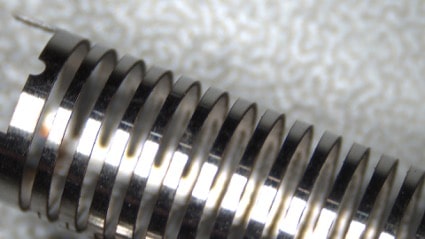
1. Raw Part Inspection & Process Planning
Every project begins with an inspection of the raw laser-cut components. We evaluate the material, geometry, laser slag, dross, oxides, heat-affected areas, and other surface conditions. Based on these findings and the desired final finish, we develop a processing plan that determines the appropriate combination of finishing operations.
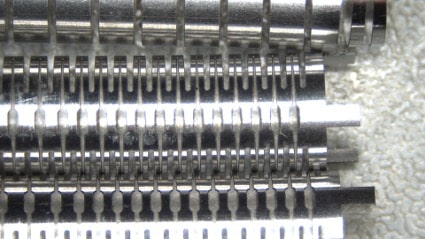
2. Acid Pickling — Removing Laser Oxides & Residue
When required, acid pickling is used to remove laser oxides, heat-affected material, and other laser-related surface contamination. The process helps expose a cleaner stainless steel surface by removing unwanted residue and oxidation. This prepares the component for the additional cleaning and finishing steps that follow.
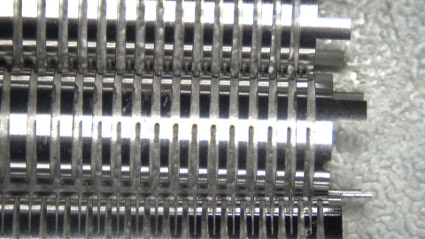
3. Electrocleaning — Preparing the Surface
Following pickling, electrocleaning removes remaining oils, residues, and other contaminants from the stainless steel surface. The process provides thorough cleaning before electropolishing and is particularly useful for components with complex geometries, small openings, and intricate laser-cut features where contaminants may be difficult to remove.
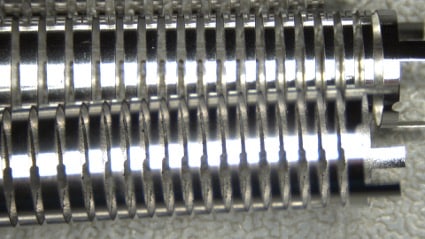
4. Electropolishing — Refining the Surface
Once the component has been properly cleaned and prepared, electropolishing provides the final surface refinement. This controlled electrochemical process removes a small amount of material to create a smoother, cleaner, and more uniform stainless steel surface. The result can also improve corrosion resistance, cleanability, and overall surface quality.
Laser Slag Removal Resources
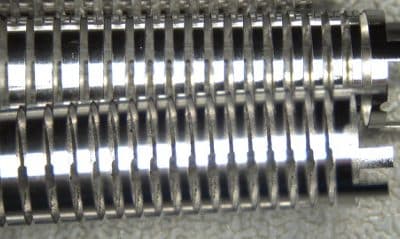
A medical device manufacturer approached New England Electropolishing with a challenging application involving laser-cut stainless steel stents. The intricate geometry...
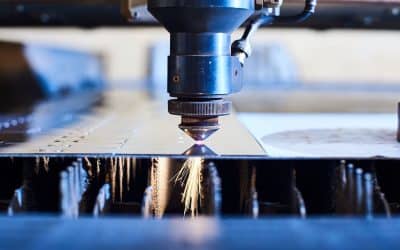
Laser cutting can produce precise stainless steel components with complex geometries, but it can also create a secondary finishing challenge. Depending on alloy,...
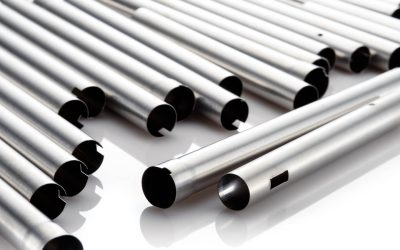
A medical device manufacturer approached New England Electropolishing with a challenging finishing requirement involving laser-cut stainless steel tubing. The...
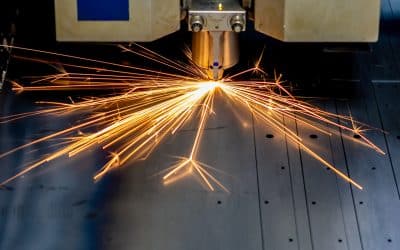
Laser cutting is one of the most efficient and precise methods for fabricating stainless steel components, but the process can leave behind more than just clean cut...
In precision manufacturing, even the smallest surface imperfection can create outsized problems. Burrs—those tiny raised edges or fragments of metal left behind after...
Laser Slag Removal for Medical Parts Electropolishing is an electro-chemical process that can help to remove "laser slag" - a heat affected zone left behind from the...
Common Industries That Rely on Laser Slag Removal
Our laser slag removal services are ideal for stainless steel components used in:
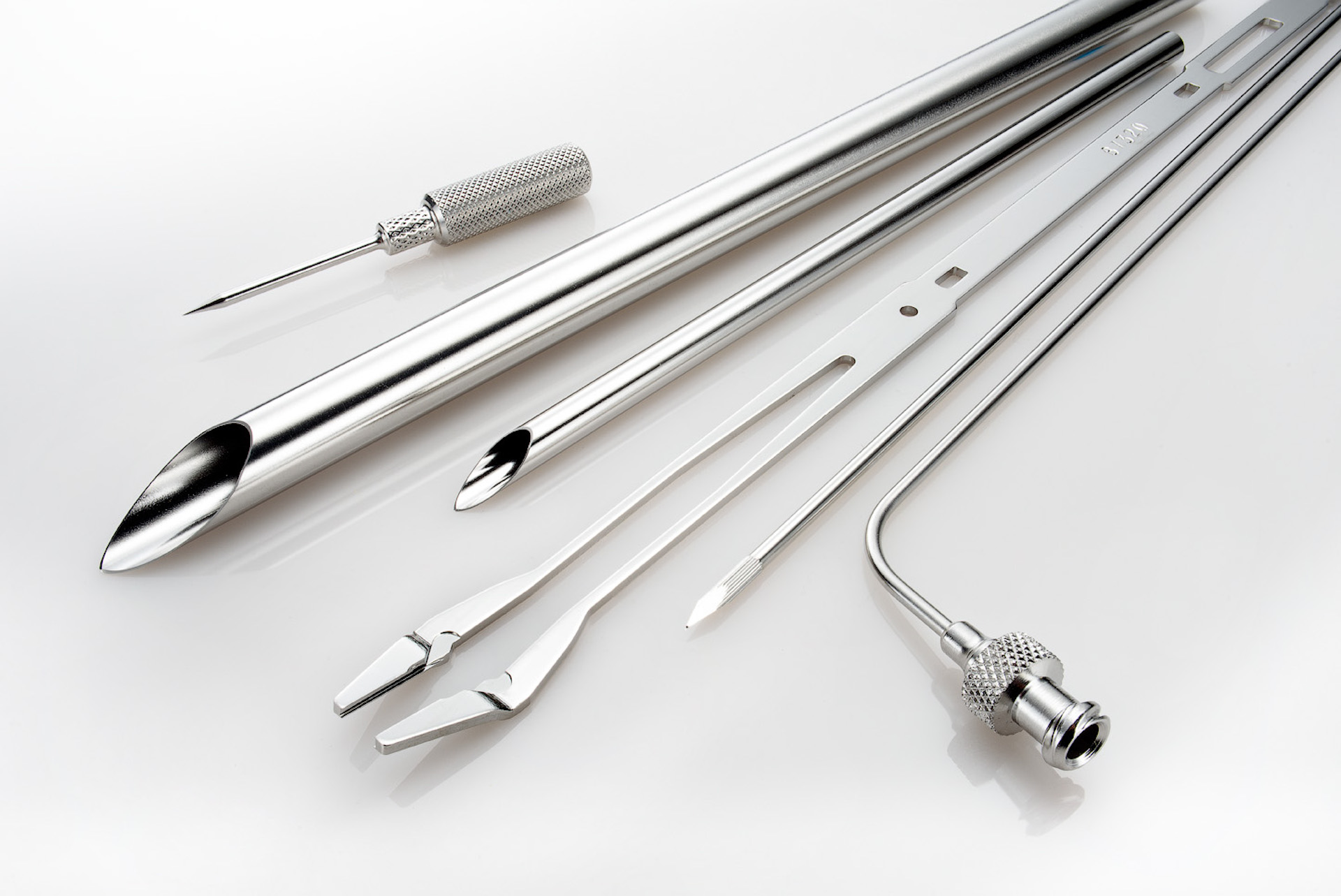
Medical & Life Sciences
Electropolishing improves biocompatibility, cleanability, and micro-deburring for surgical instruments, implants, and equipment where precision & hygiene are essential.
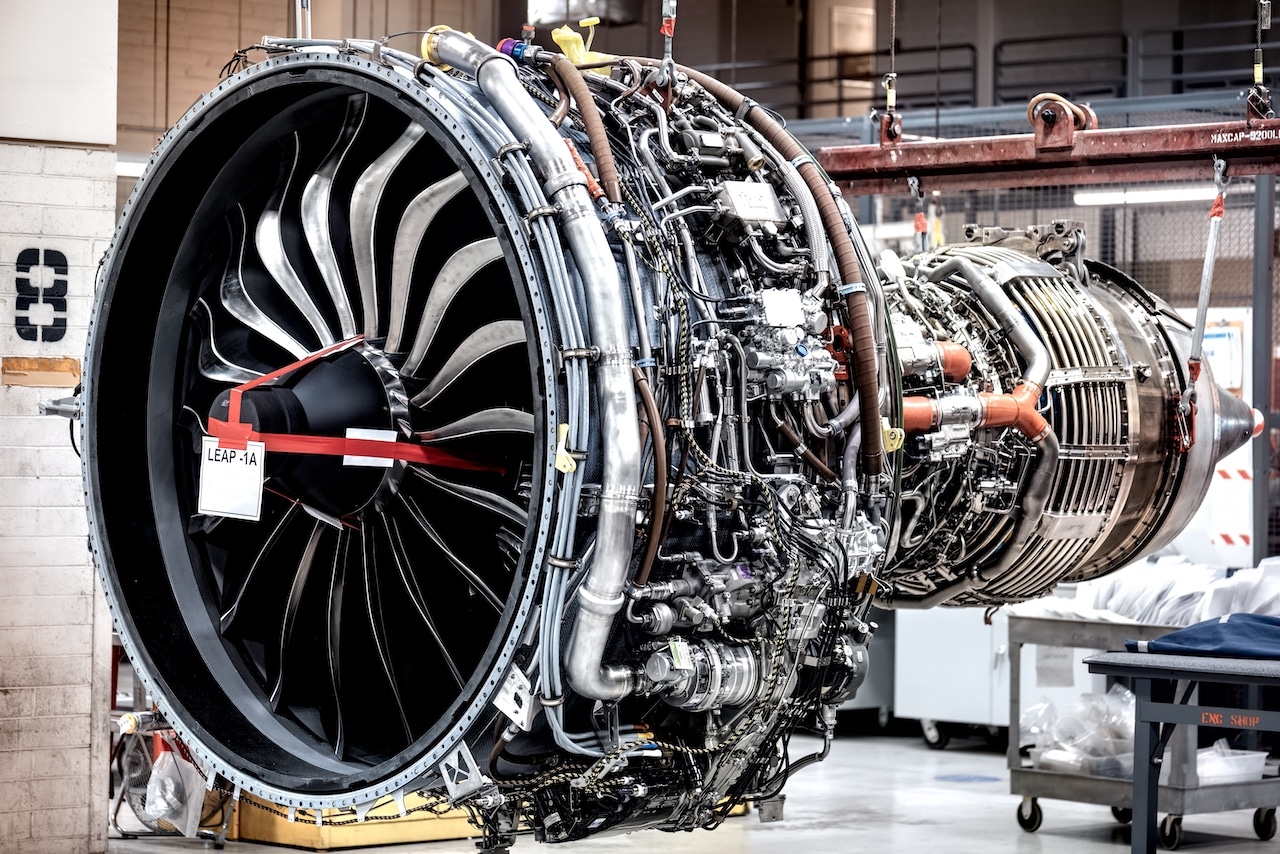
Aerospace & Defense
Components exposed to extreme temperatures, vibration, and corrosive environments benefit from smoother, more uniform surfaces that enhance durability and reduce fatigue risk.
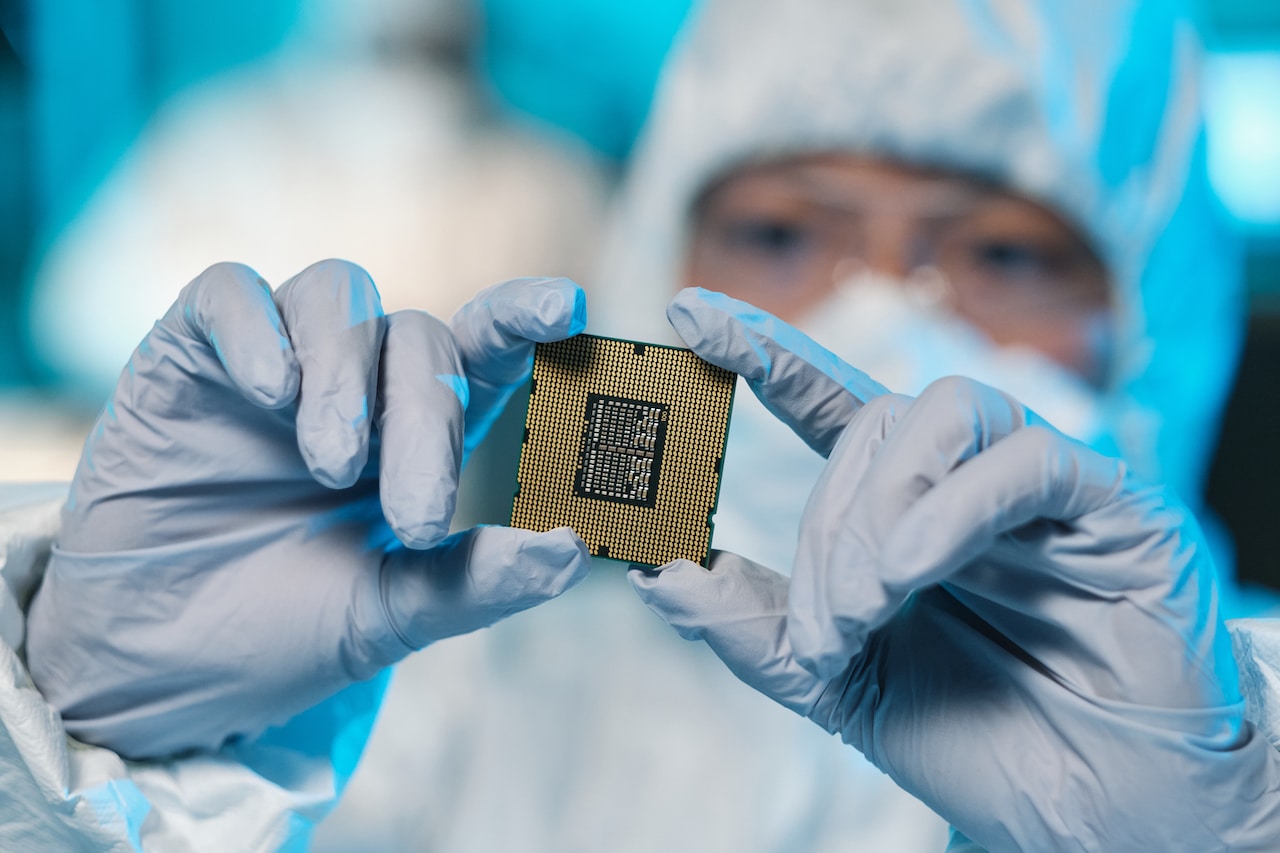
Semiconductor & Electronics
Ultra-clean finishes and contaminant-free surfaces are critical for sensitive electronic and semiconductor equipment where even microscopic particles can impact performance.
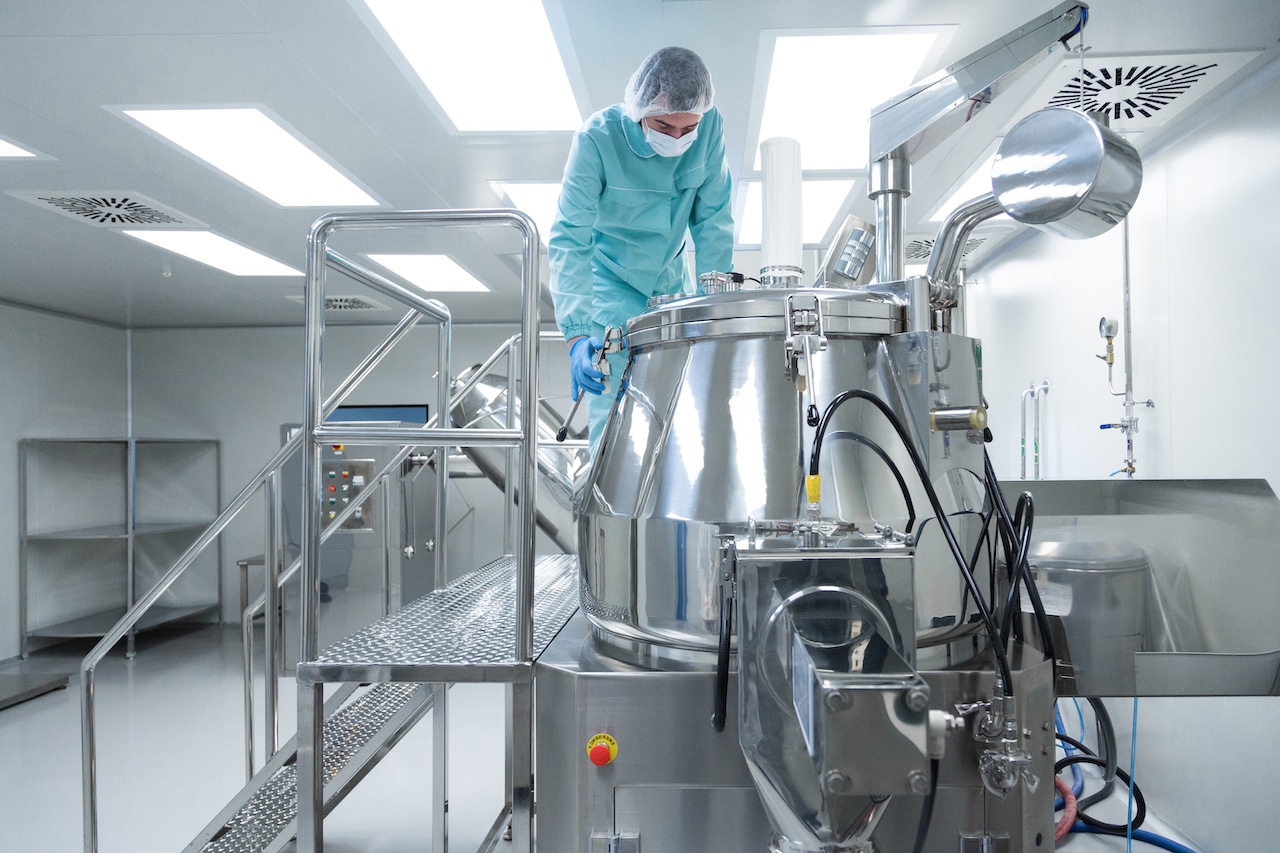
Pharmaceutical & Biotechnology
High-purity process equipment, tanks, and fluid handling systems rely on electropolishing to maintain sanitary conditions and resist chemical corrosion.
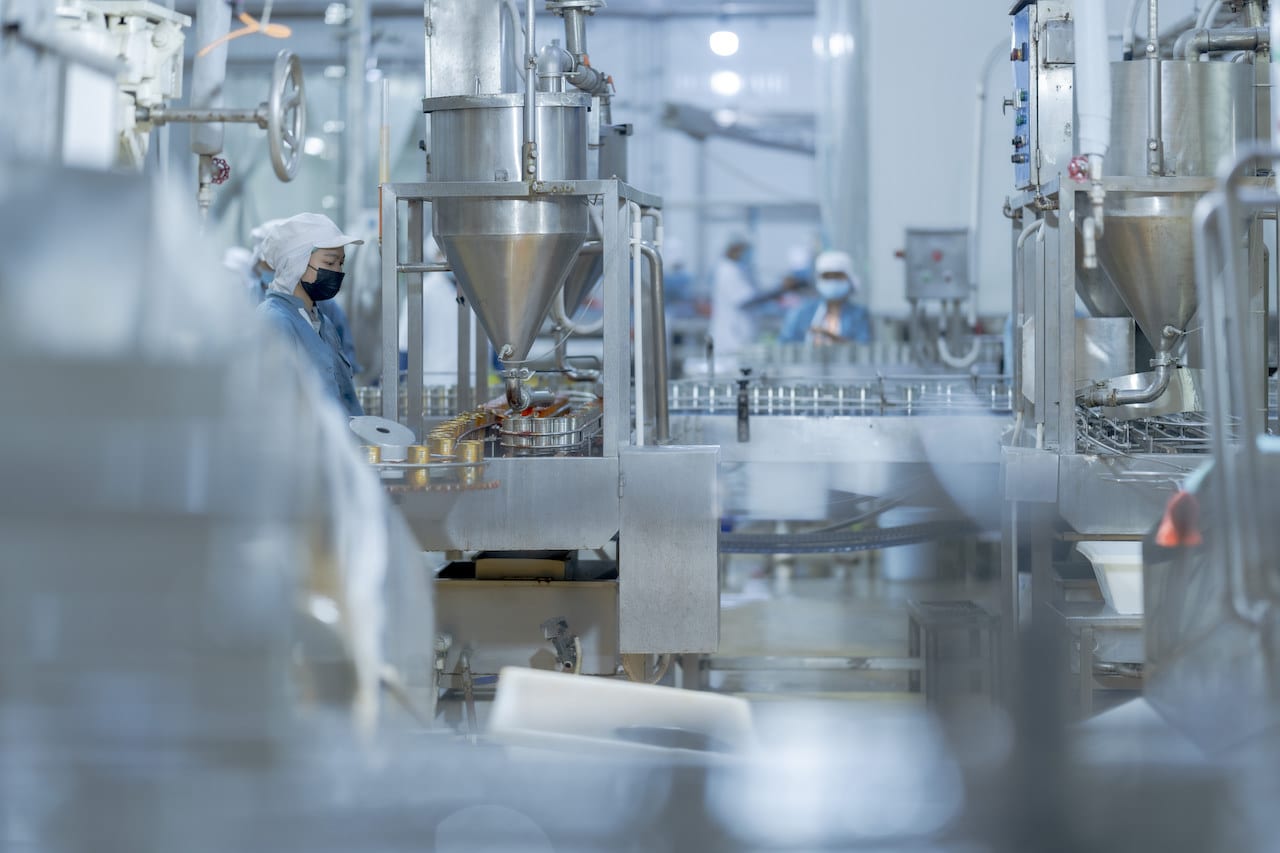
Food & Beverage Processing
Smooth, polished stainless steel surfaces help prevent bacterial buildup, improve clean-in-place efficiency, and extend equipment lifespan in sanitary production environments.
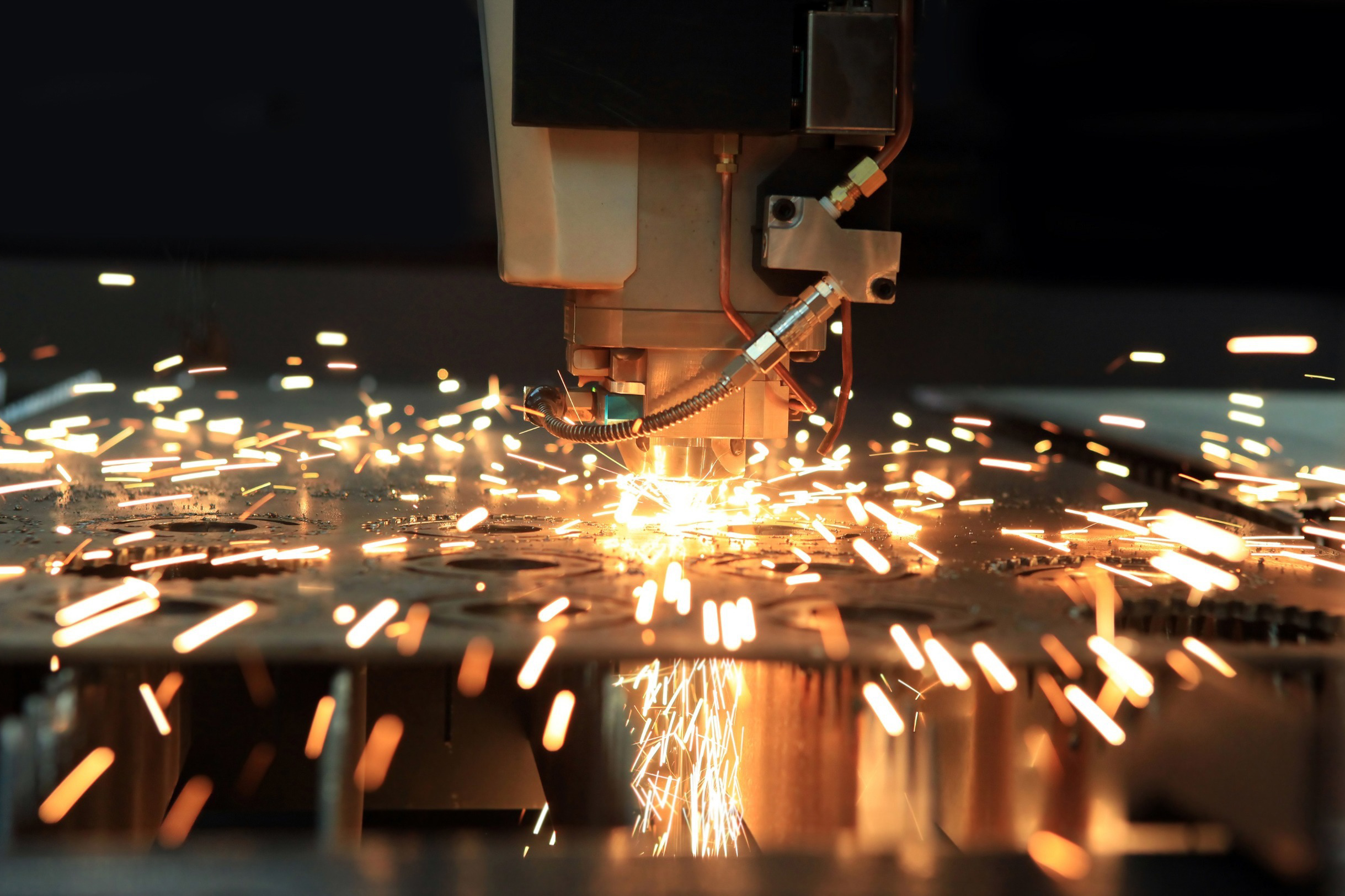
Industrial Manufacturing
From precision machined parts to large vessels and assemblies, electropolishing enhances corrosion resistance and improves overall surface performance.