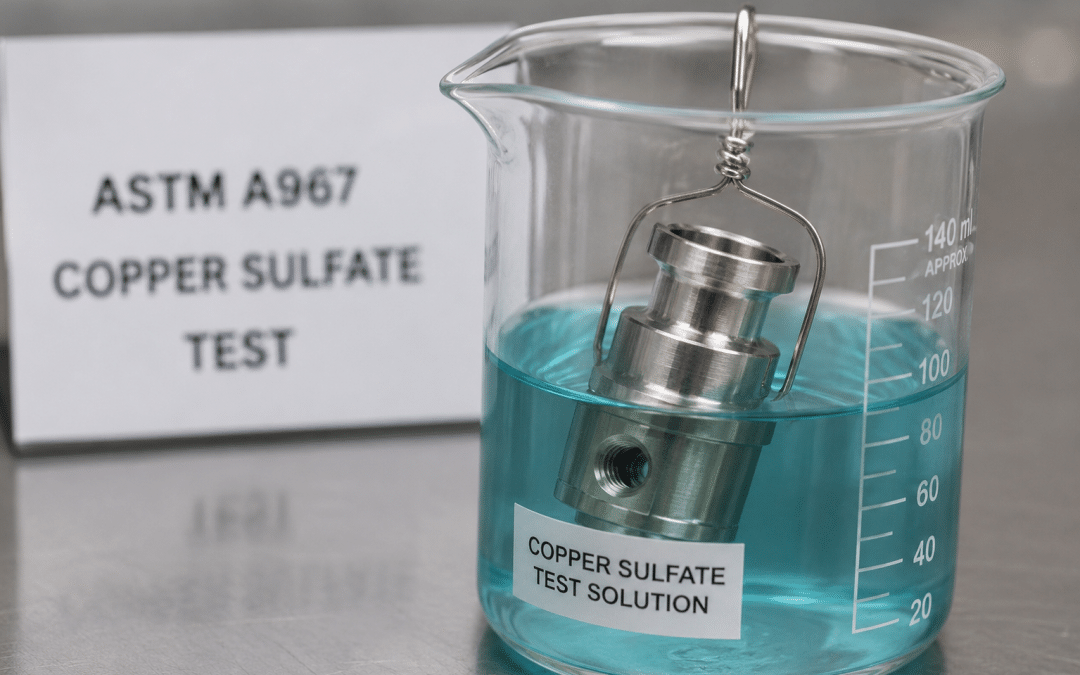
by neelectropolis | Jul 29, 2026 | ASTM A967, Blog, Citric Acid Passivation, Electropolishing, Passivation, Stainless Steel Passivation
Understanding ASTM A967 Acceptance Tests: How Passivation Quality Is Verified Passivation is only effective if it achieves its intended purpose—removing free iron contamination and restoring the stainless steel’s natural passive layer. But how can manufacturers...
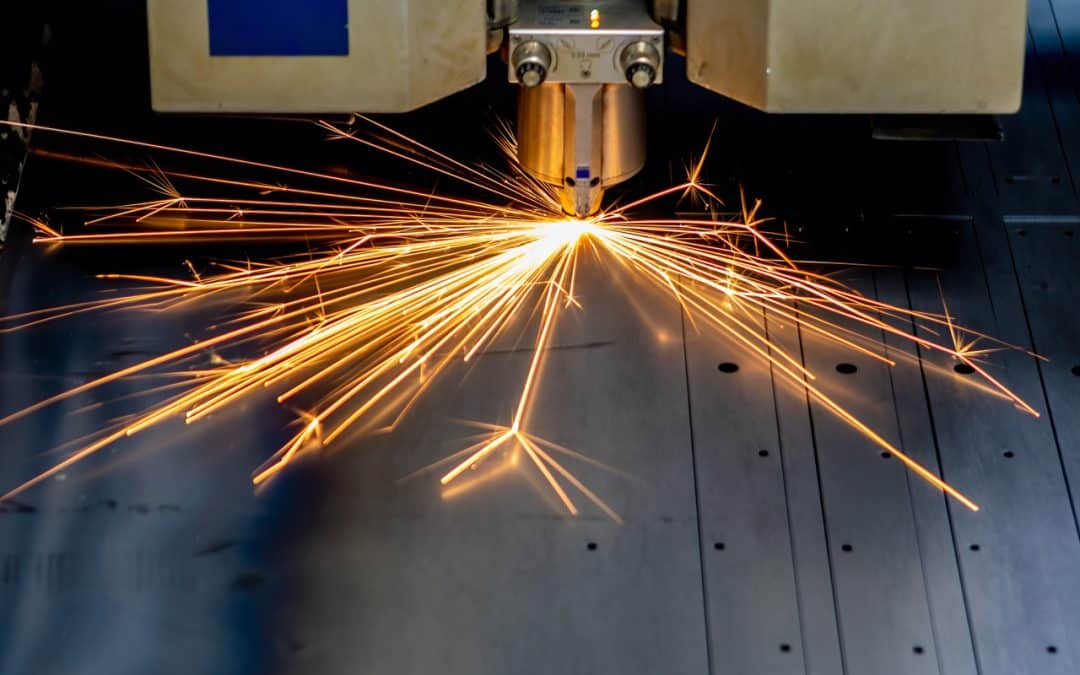
by neelectropolis | May 26, 2026 | Blog, Citric Acid Passivation, Laser Slag Removal, Passivation, Stainless Steel Passivation
Can Citric Acid Passivation Remove Surface Contamination from Laser-Cut Stainless Steel? Laser cutting is one of the most efficient and precise methods for fabricating stainless steel components, but the process can leave behind more than just clean cut edges. Heat,...
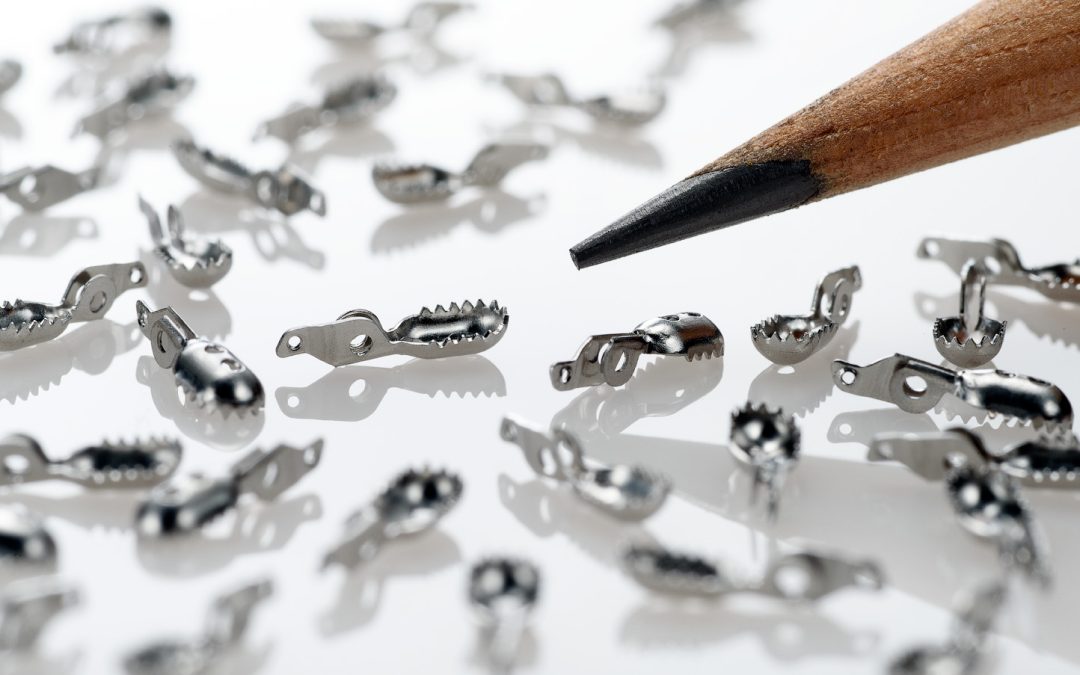
by neelectropolis | Apr 27, 2026 | Blog, Citric Acid Passivation, Nitric Acid Passivation, Passivation
Can You Passivate Small Precision Machined Parts? Yes—small precision machined parts can absolutely be passivated, and in many industries, it’s not just possible but essential for performance, reliability, and corrosion resistance. In fact, passivation is often...
by neelectropolis | Apr 27, 2026 | Blog, Passivation
What Grades of Stainless Steel Need Passivation? Stainless steel is widely chosen for its strength, durability, and corrosion resistance—but not all stainless steel performs the same in every environment. A common question manufacturers ask is: What grades of...
by neelectropolis | Apr 13, 2026 | Blog, Electropolishing
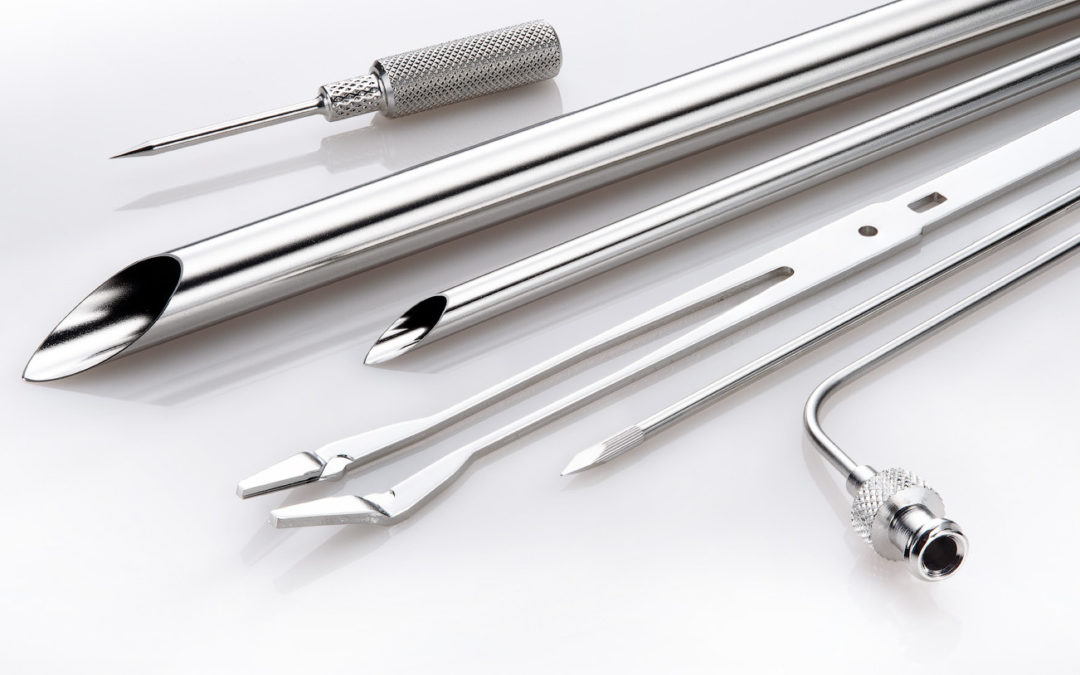
Does Electropolishing Harden Metal? Electropolishing is widely used to improve the surface quality of stainless steel, but a common question is whether the process actually hardens the metal. The short answer is: no—electropolishing does not increase the hardness of...
