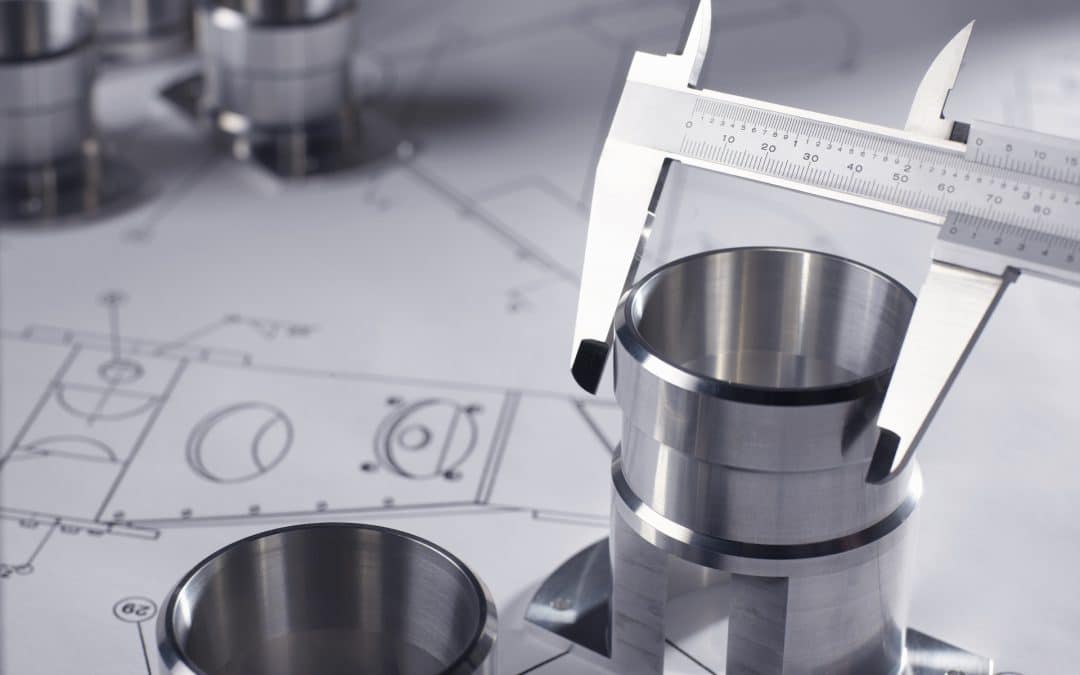
Deburring: Why Removing Micro-Burrs Is Critical to Part Performance In precision manufacturing, even the smallest surface imperfection can create outsized problems. Burrs—those tiny raised edges or fragments of metal left behind after machining, cutting, stamping, or...
The Hidden Variable in Stainless Steel Performance: Surface Chemistry Stability Through Passivation When engineers and manufacturers talk about stainless steel performance, the conversation often centers around alloy selection, mechanical strength, or surface...
Medical Device Passivation: Vital for Safety, Compliance, and Longevity In medical manufacturing, stainless steel isn’t just chosen for strength—it’s chosen for its ability to remain hygienic, resist corrosion, and maintain its performance across repeated...
Stainless Steel Passivation in Extreme Environments: Offshore, Aerospace, and Cleanroom Applications Stainless steel is chosen for demanding applications because of its ability to form a self-healing chromium oxide film that protects the substrate from corrosion. But...
Citric Acid Passivation for Additive Manufacturing (3D-Printed Stainless Steel) Additive manufacturing, or 3D printing, has rapidly advanced from prototyping into full-scale production across industries like medical devices, aerospace, and high-performance...
Does Passivation Remove Material? One of the most common questions we hear at New England Electropolishing is: Does passivation remove material from stainless steel parts? The short answer is no—at least not in any measurable way. What Passivation Really...