How to Verify the Effectiveness of Stainless Steel Passivation Stainless steel passivation is a crucial process that enhances corrosion resistance and durability. By removing free iron and contaminants, passivation restores the chromium oxide layer that naturally...
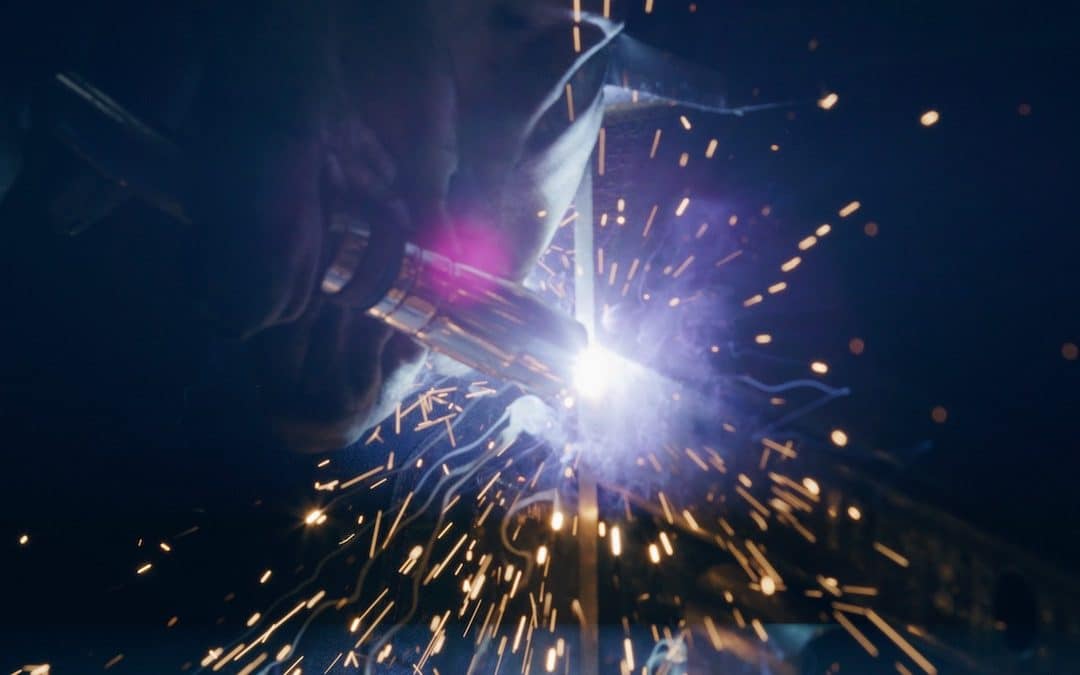
How to Passivate Stainless Steel Welds Stainless steel is known for its corrosion resistance and strength, which makes it a go-to material in many demanding applications. However, stainless steel welds can be a weak point when it comes to corrosion resistance. During...
Understanding ASTM A380: Cleaning, Descaling, and Passivation of Stainless Steel ASTM A380 is the standard practice for cleaning, descaling, and passivating stainless steel parts, equipment, and systems. This standard outlines methods to remove contaminants and...
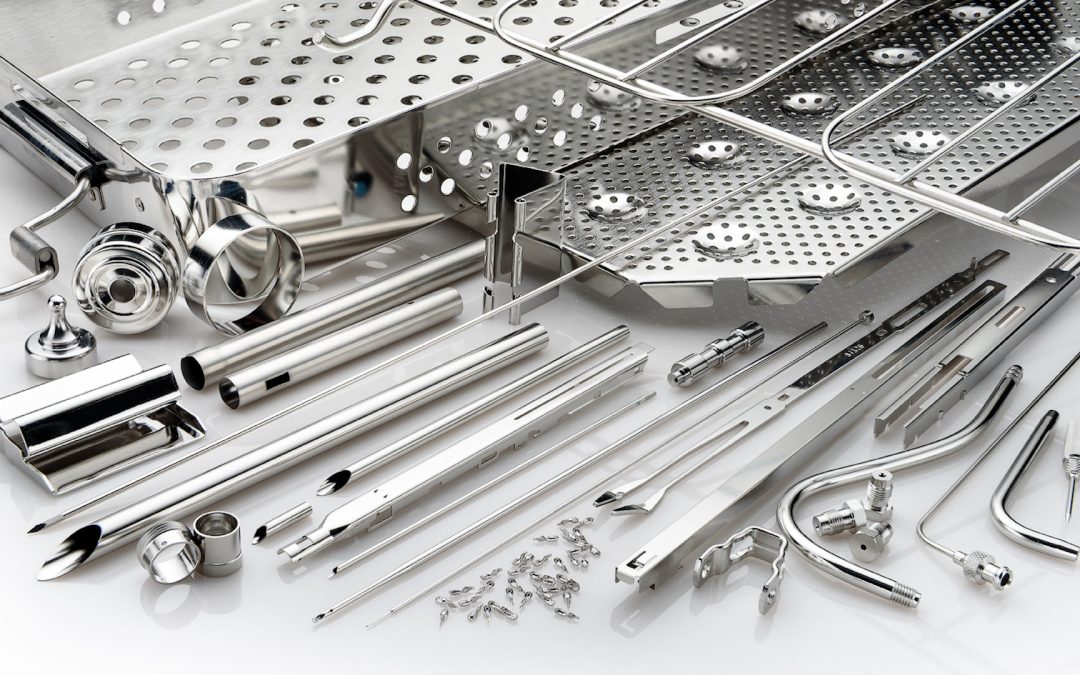
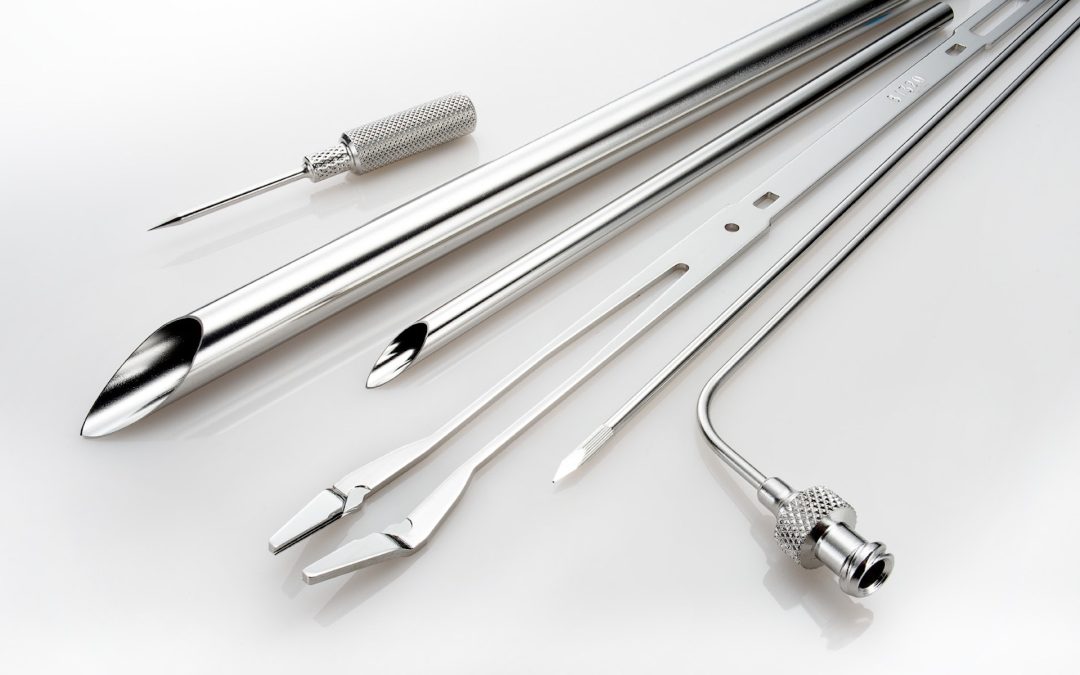
Advancing Healthcare: The Crucial Role of Stainless Steel Medical Device Passivation In the realm of healthcare, precision and reliability are paramount. Medical devices, ranging from surgical instruments to implants, must meet the highest standards of cleanliness,...
Citric Acid Passivation A Safer, Environmentally Friendly Way to Enhance Corrosion Resistance Citric acid passivation is a proven method for improving the corrosion resistance of stainless steel. By removing free iron and other surface contaminants, this process...
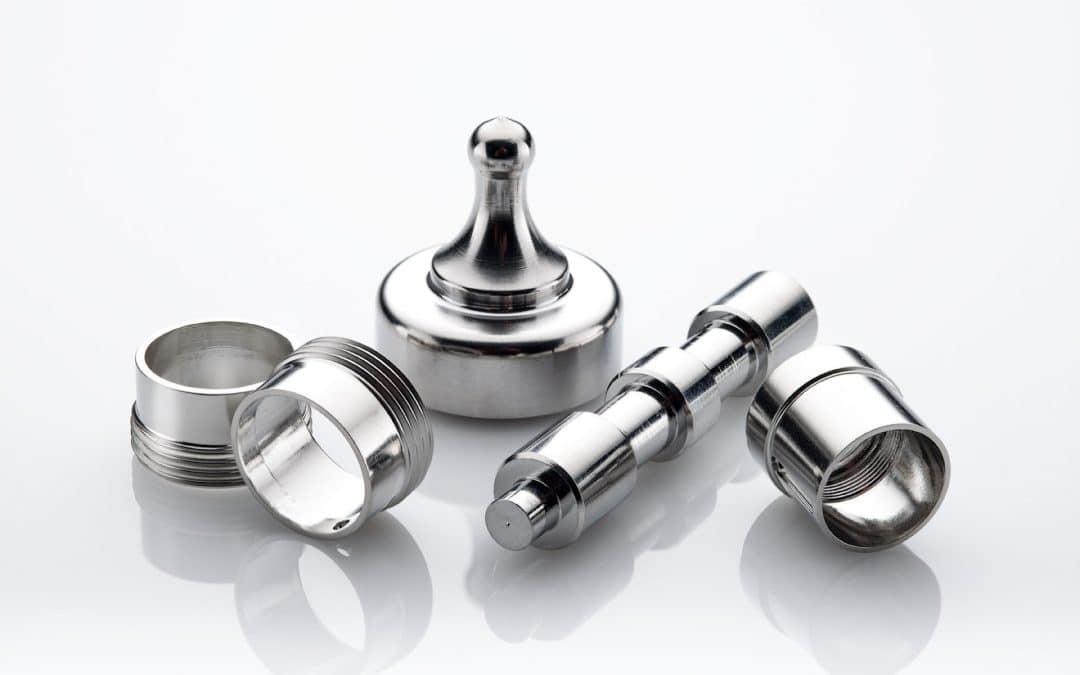
The Passivation of Stainless Steel for Corrosion Resistance The passivation of stainless steel is a process that helps protect the metal from corrosion and rust. A metal is considered “passive” when it shows resistance to corrosion in an environment where...