
Passivation Resources
FAQ’s & Articles on Passivation
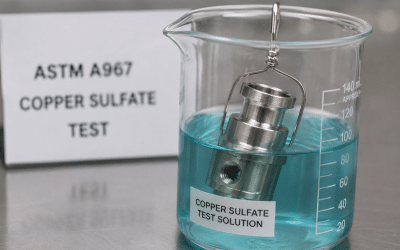
Understanding ASTM A967 Acceptance Tests: How Passivation Quality Is Verified
Passivation is only effective if it achieves its intended...
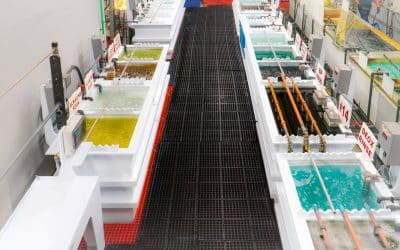
Pickling vs. Passivation: Understanding Two Critical Stainless Steel Surface Treatments
When discussing corrosion resistance in stainless steel, two finishing...
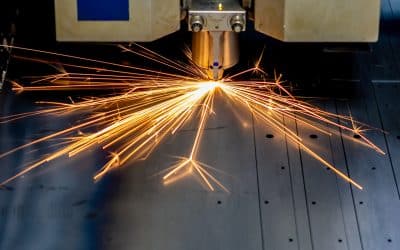
Can Citric Acid Passivation Remove Surface Contamination from Laser-Cut Stainless Steel?
Laser cutting is one of the most efficient and precise methods for...
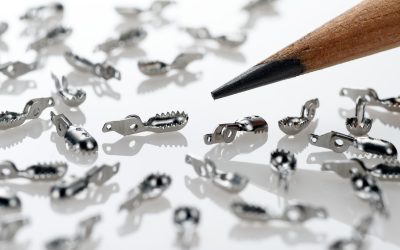
Can You Passivate Small Precision Machined Parts?
Yes—small precision machined parts can absolutely be passivated, and in...

Can Stainless Steel Rust After Passivation?
Yes—stainless steel can still rust after passivation, but it’s important...
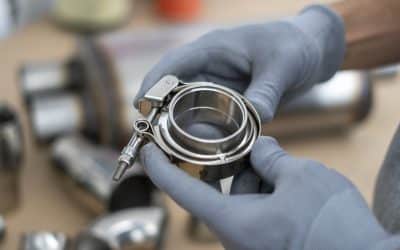
When Should Stainless Steel Be Passivated?
Stainless steel is known for its corrosion resistance, strength, and...
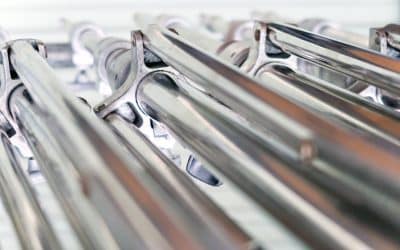
What Grades of Stainless Steel Need Passivation?
Stainless steel is widely chosen for its strength, durability, and...
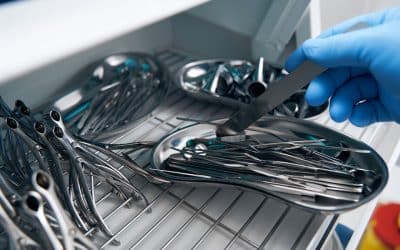
Deburring: Why Removing Micro-Burrs Is Critical to Part Performance
In precision manufacturing, even the smallest surface imperfection can...
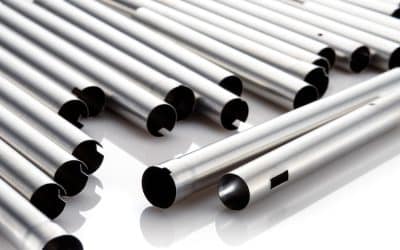
The Hidden Variable in Stainless Steel Performance: Surface Chemistry Stability Through Passivation
When engineers and manufacturers talk about stainless steel performance,...
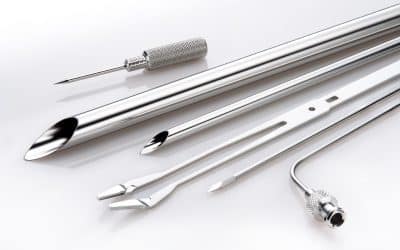
Medical Device Passivation: Vital for Safety, Compliance, and Longevity
In medical manufacturing, stainless steel isn’t just chosen for...
Stainless Steel Passivation in Extreme Environments: Offshore, Aerospace, and Cleanroom Applications
Stainless steel is chosen for demanding applications because of its...
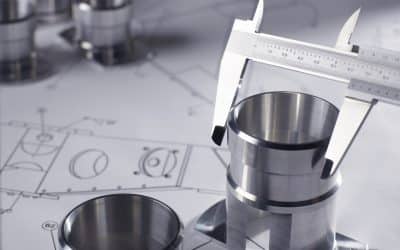
Citric Acid Passivation for Additive Manufacturing (3D-Printed Stainless Steel)
Additive manufacturing, or 3D printing, has rapidly advanced from...
Does Passivation Remove Material?
One of the most common questions we hear at New England Electropolishing...

Corrosion-Resistant Stainless Steel Treatments
Stainless steel is known for its natural corrosion resistance—but in many...
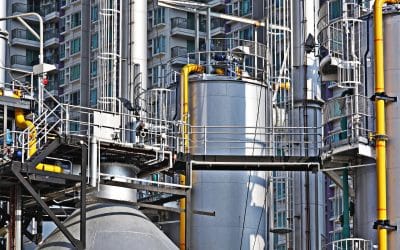
Protecting Chemical Processing Equipment with Citric Acid Passivation
Why Surface Treatment Is Essential for Corrosion Resistance in Harsh...
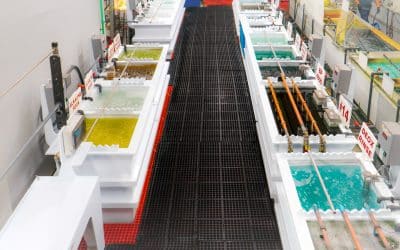
Why Machined Stainless Steel Needs Passivation
Stainless steel is valued for its natural corrosion resistance—but...
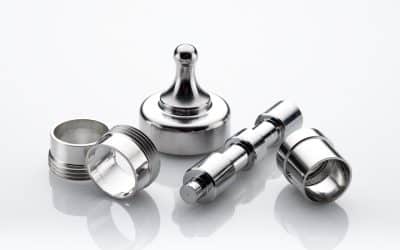
Stainless Steel Treatment After Welding: Methods, Comparisons, and Best Practices
Welding is a critical step in the fabrication of stainless steel...
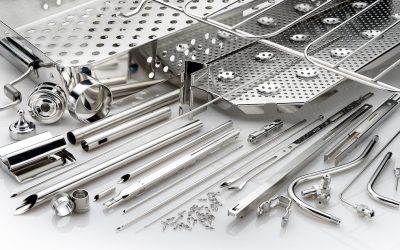
How Long Does Passivation Last? Factors That Affect Its Durability
Stainless steel is known for its corrosion resistance, but without proper...

Preventing Pitting Corrosion in Stainless Steel: How Passivation Makes the Difference
Stainless steel is renowned for its corrosion resistance, but it isn’t...
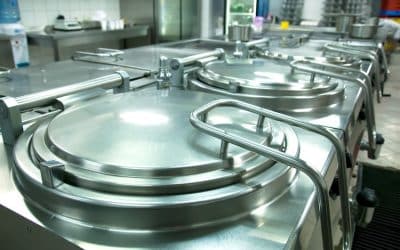
The Role of Passivation in Ensuring FDA Compliance for Food and Beverage Equipment
When it comes to the food and beverage industry, safety and compliance...
How to Verify the Effectiveness of Stainless Steel Passivation
Stainless steel passivation is a crucial process that enhances corrosion...

How to Passivate Stainless Steel Welds
Stainless steel is known for its corrosion resistance and strength, which...
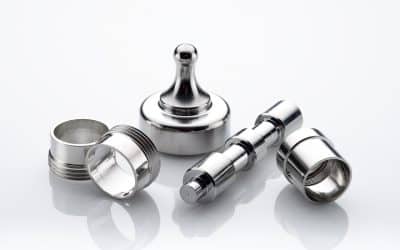
Understanding ASTM A380: Cleaning, Descaling, and Passivation of Stainless Steel
ASTM A380 is the standard practice for cleaning, descaling, and passivating stainless steel parts, equipment, and systems.
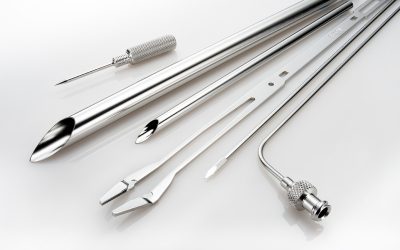
Advancing Healthcare: The Crucial Role of Stainless Steel Medical Device Passivation
In the realm of healthcare, precision and reliability are paramount....
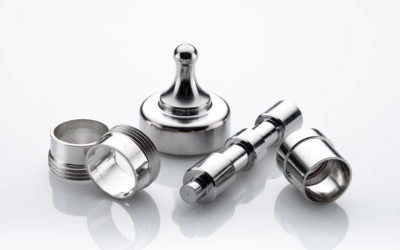
What’s the Difference Between Electropolishing and Passivation?
What’s the Difference Between Electropolishing and Passivation?