Protecting Chemical Processing Equipment with Citric Acid Passivation Why Surface Treatment Is Essential for Corrosion Resistance in Harsh Environments In the chemical processing industry, stainless steel is the material of choice for tanks, fittings, valves, sensors,...
Why Machined Stainless Steel Needs Passivation Stainless steel is valued for its natural corrosion resistance—but machining can diminish that advantage. Processes like cutting, grinding, and turning can embed free iron into the surface or disturb the protective...
Stainless Steel Treatment After Welding: Methods, Comparisons, and Best Practices Welding is a critical step in the fabrication of stainless steel components, but it also introduces surface contaminants and microstructural changes that can compromise corrosion...
How Long Does Passivation Last? Factors That Affect Its Durability Stainless steel is known for its corrosion resistance, but without proper treatment, it can still be vulnerable to rust and contamination. Passivation of stainless steel is a crucial process that...
Preventing Pitting Corrosion in Stainless Steel: How Passivation Makes the Difference Stainless steel is renowned for its corrosion resistance, but it isn’t immune to all forms of degradation. In chloride-rich environments, such as coastal or marine settings,...
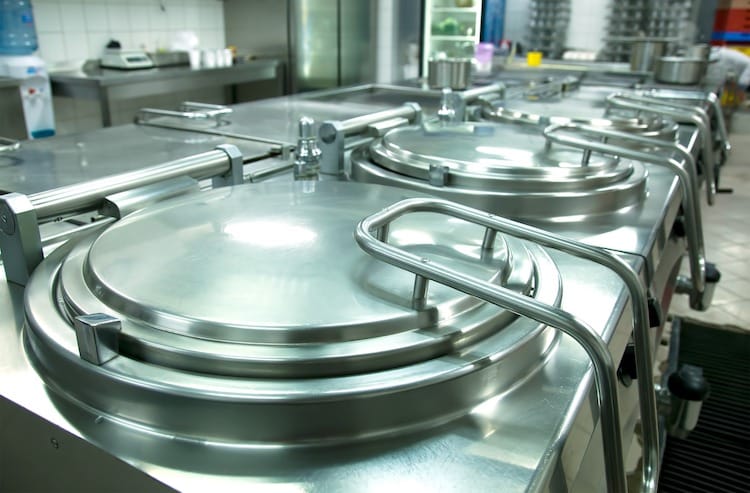
The Role of Passivation in Ensuring FDA Compliance for Food and Beverage Equipment When it comes to the food and beverage industry, safety and compliance are non-negotiable. Equipment used in food processing environments must meet stringent standards to ensure...